
Upholstery Cleaning in Dortmund
Team
Payment
What is included in the service?
- Sofas and armchairs upholstery cleaning (incl. pillows);
- Chair and stool upholstery cleaning;
- Stain Removal: Tackling tough stains like food, drink spills, and pet accidents.
- Odor Neutralization: Removing unpleasant odors trapped in the fabrics.
How it works?
How long does the service take?
How long does it take for upholstery to dry?
How often should I wash the upholstery?
What's the expected end result?

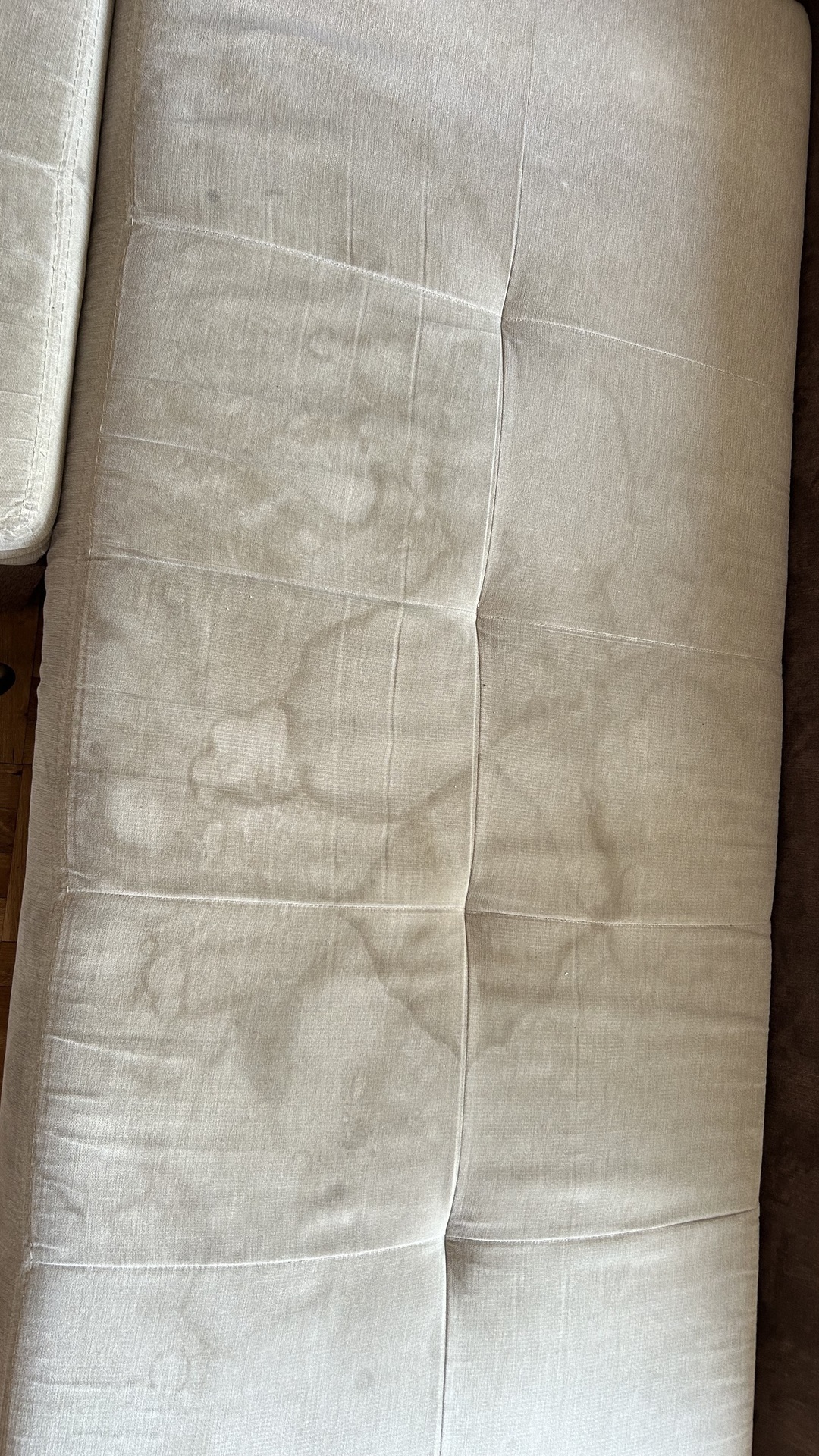
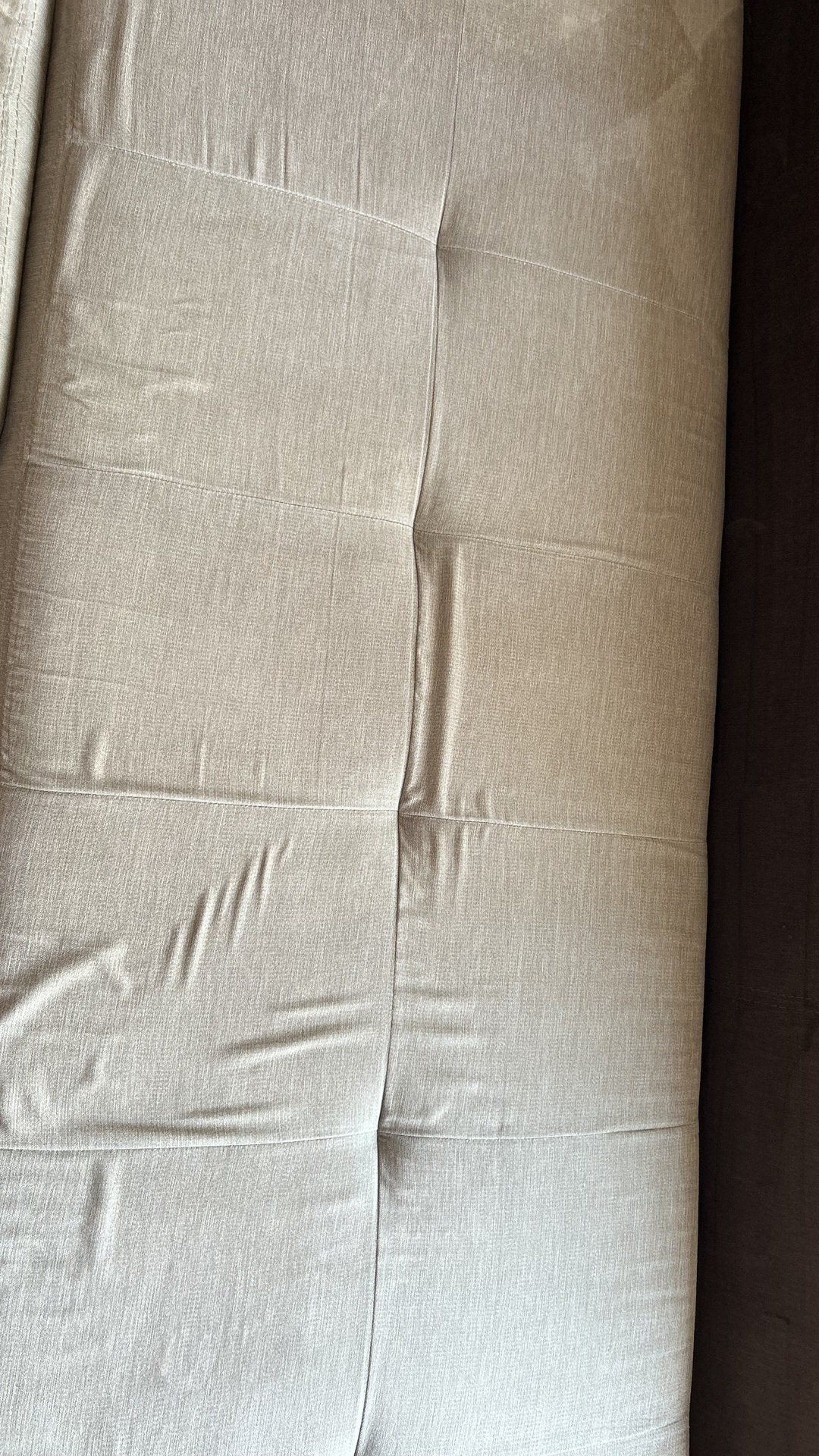
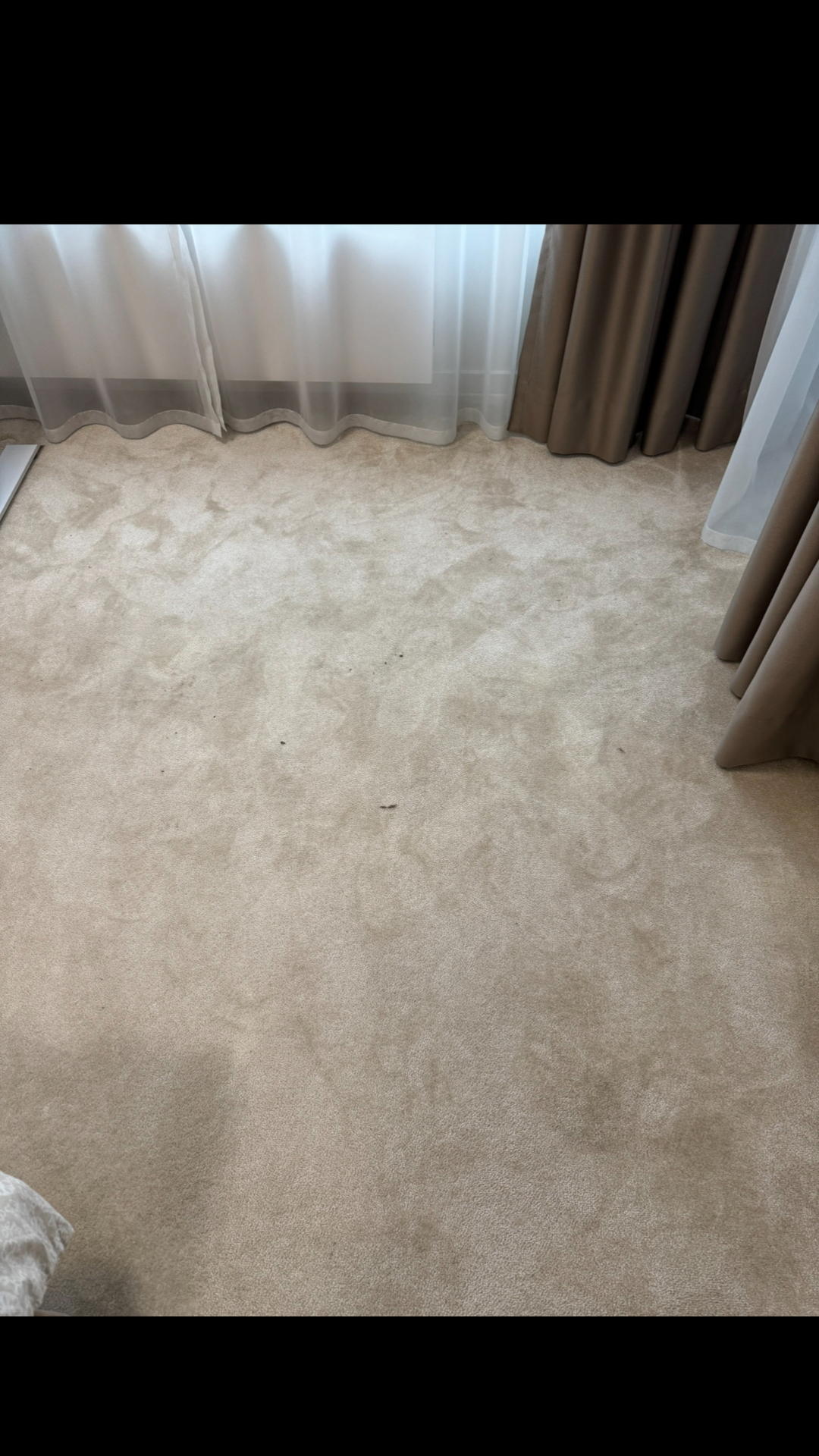
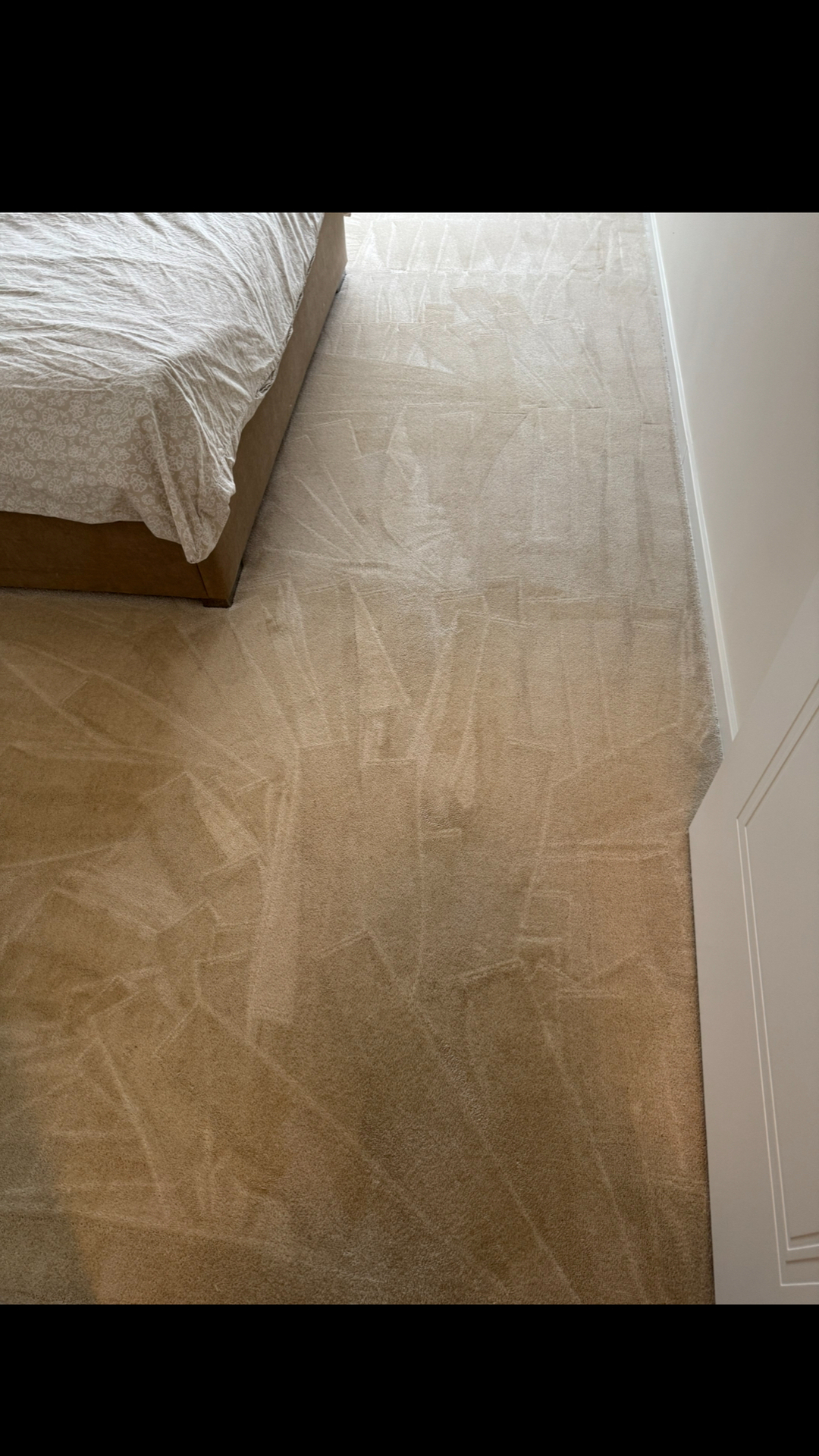
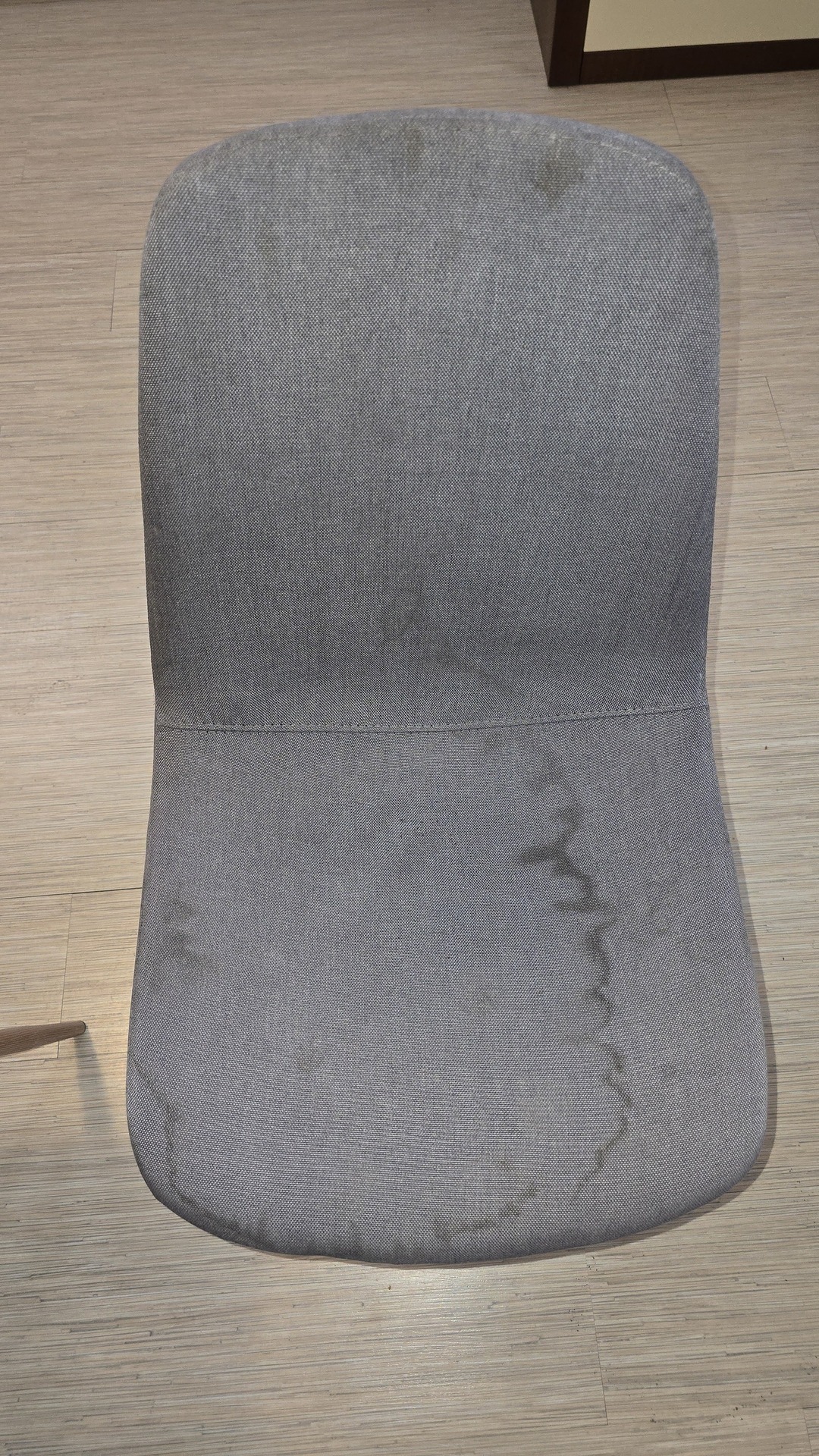
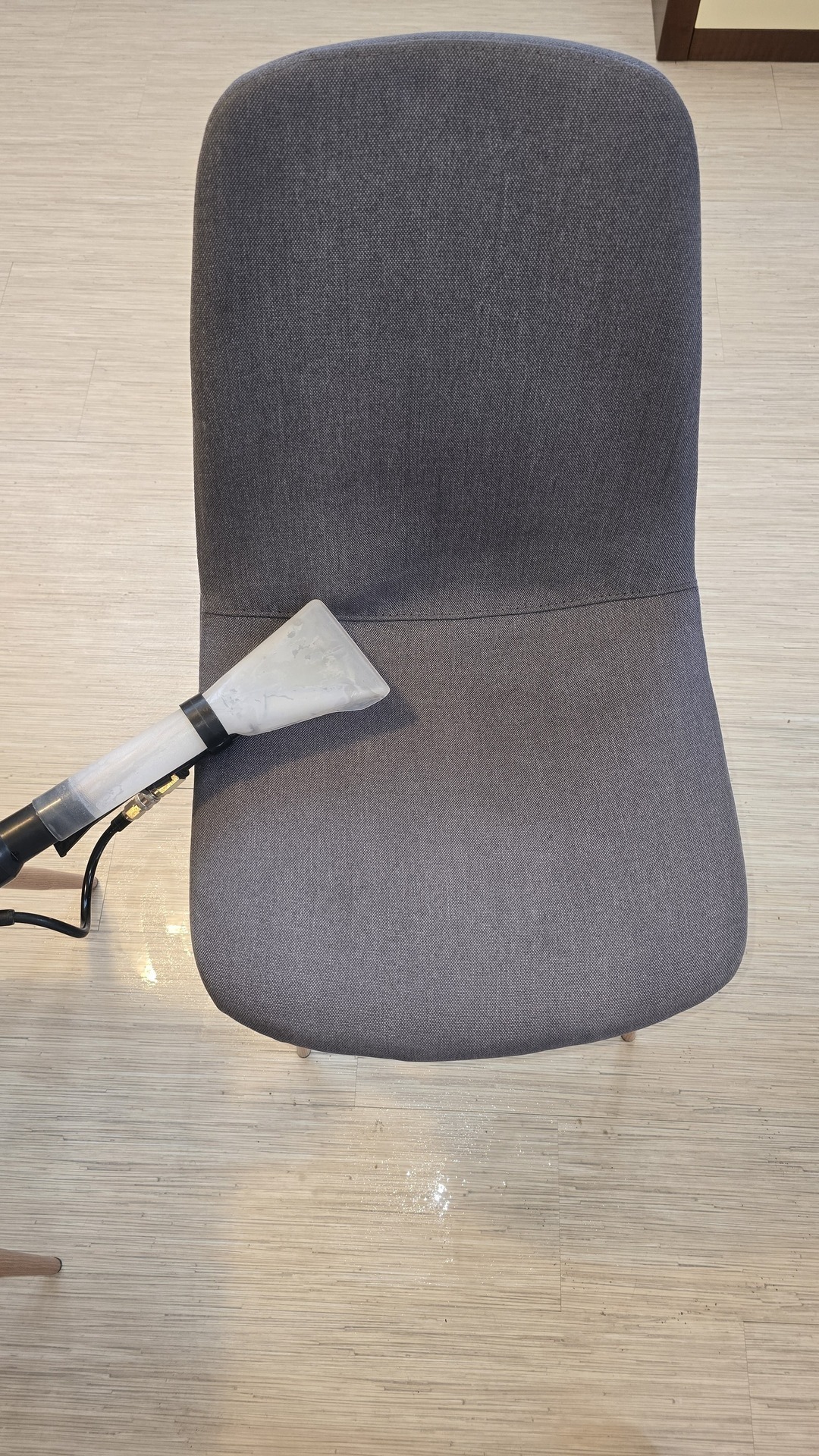
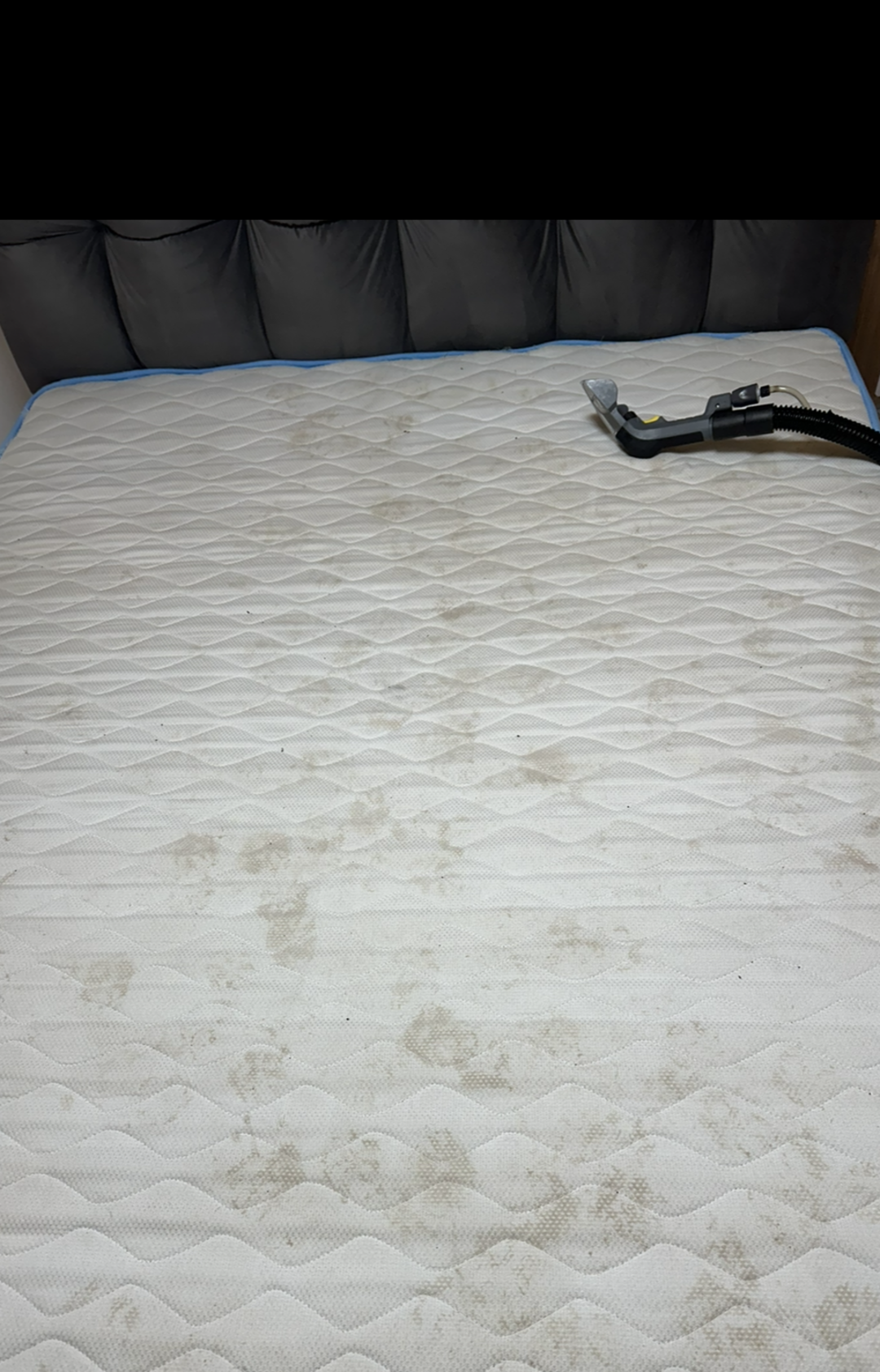

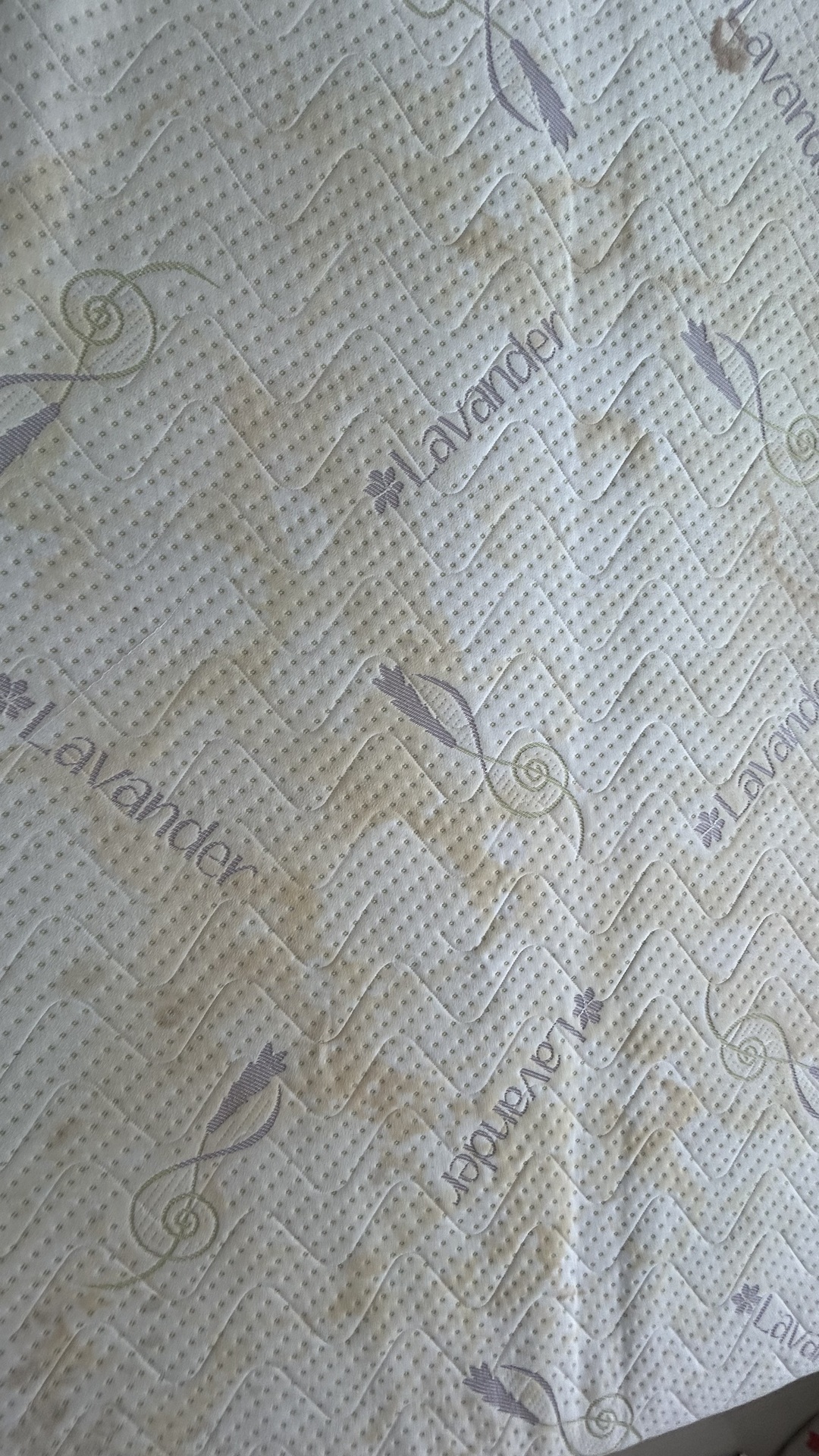
Sofa & upholstery cleaning prices in Dortmund
Transparent prices from cleaning companies serving Dortmund, fixed at the time of booking. The service is performed at the customer's home — no need to transport the furniture.
- 1 sofa seat from 31.5 €
- 1 armchair from 42 €
- 1 chair from 21 €
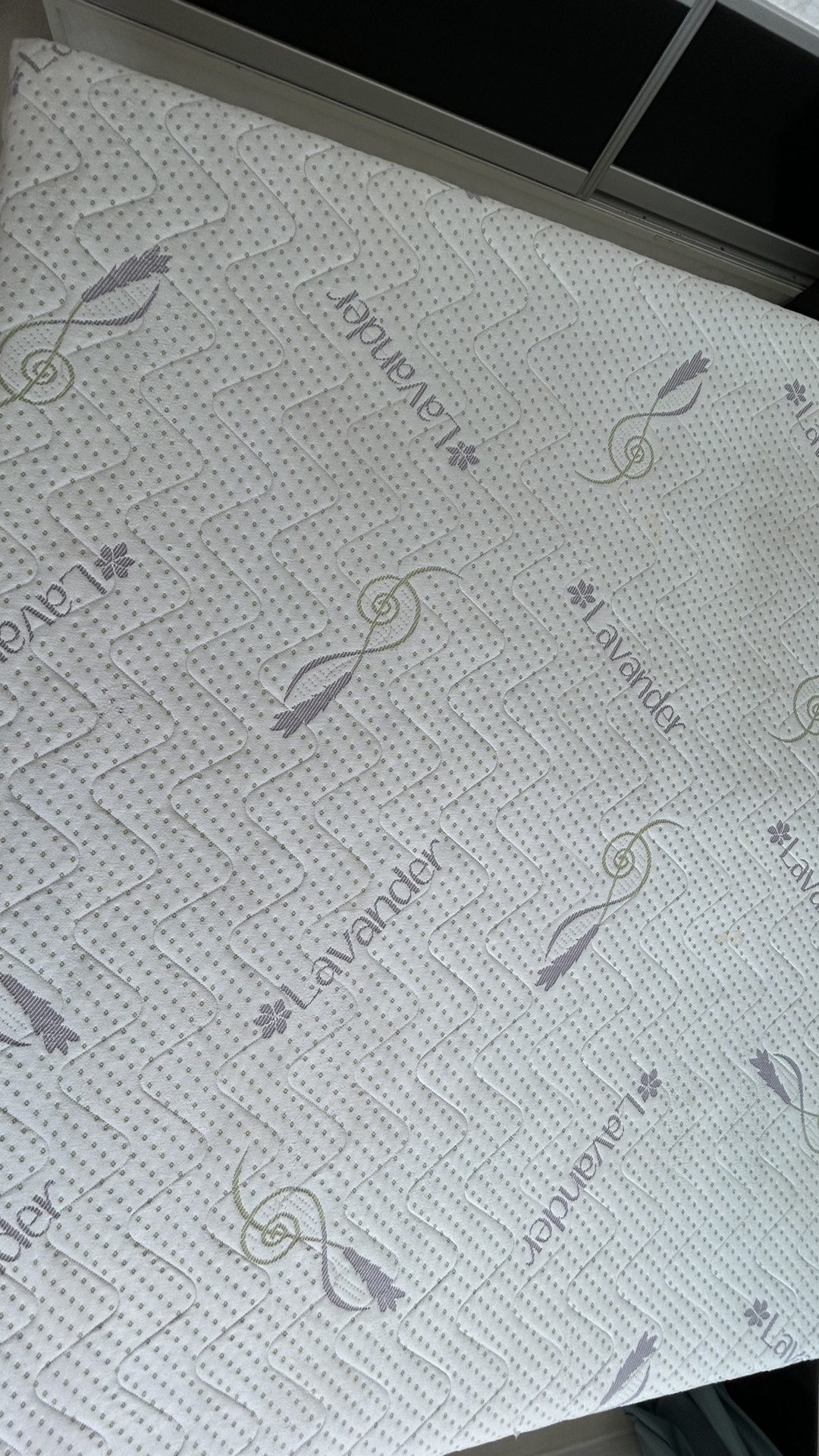
- 1 mattress up to 100cm from 52.5 €
- 1 mattress over 100cm from 78.8 €
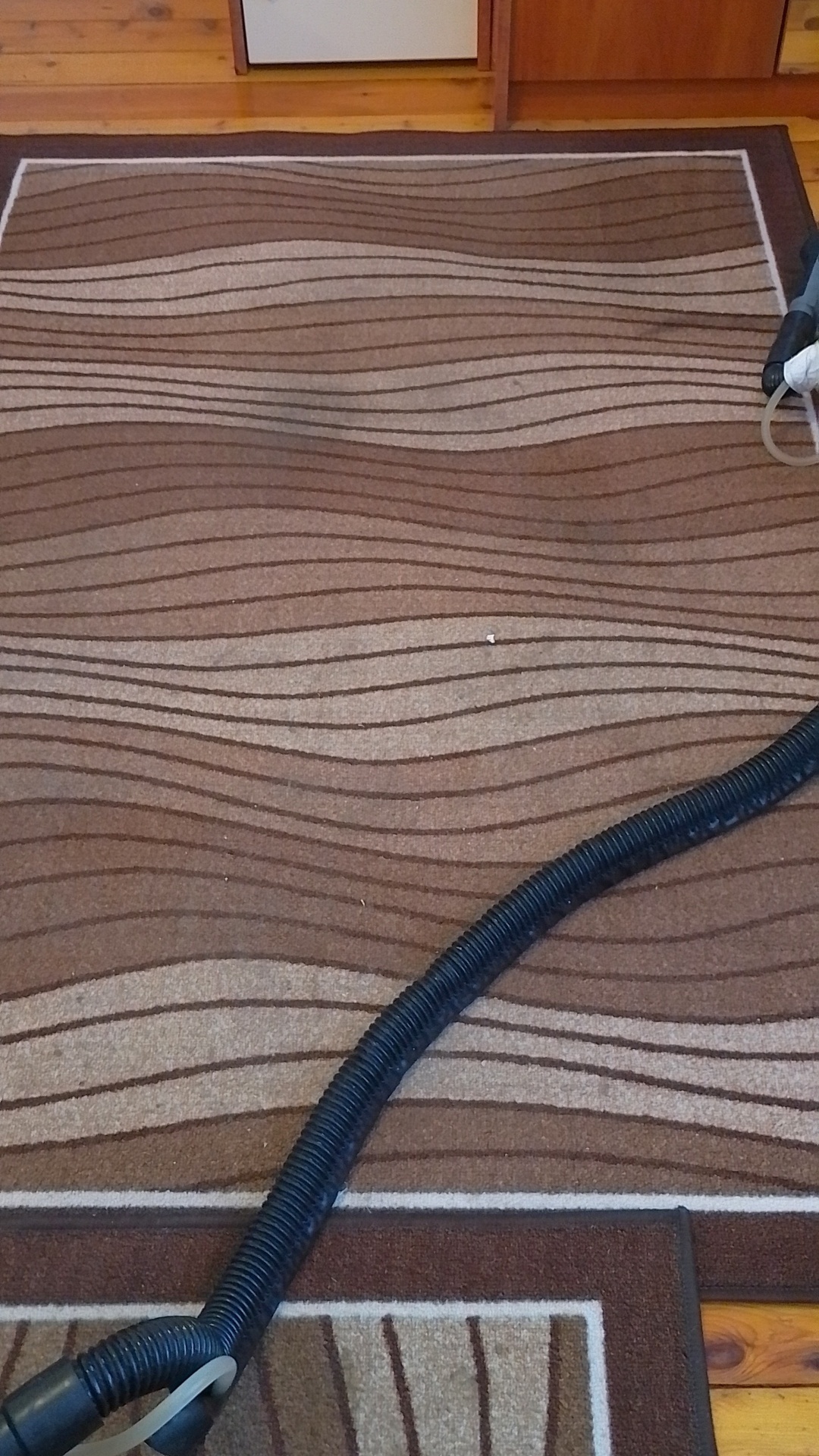
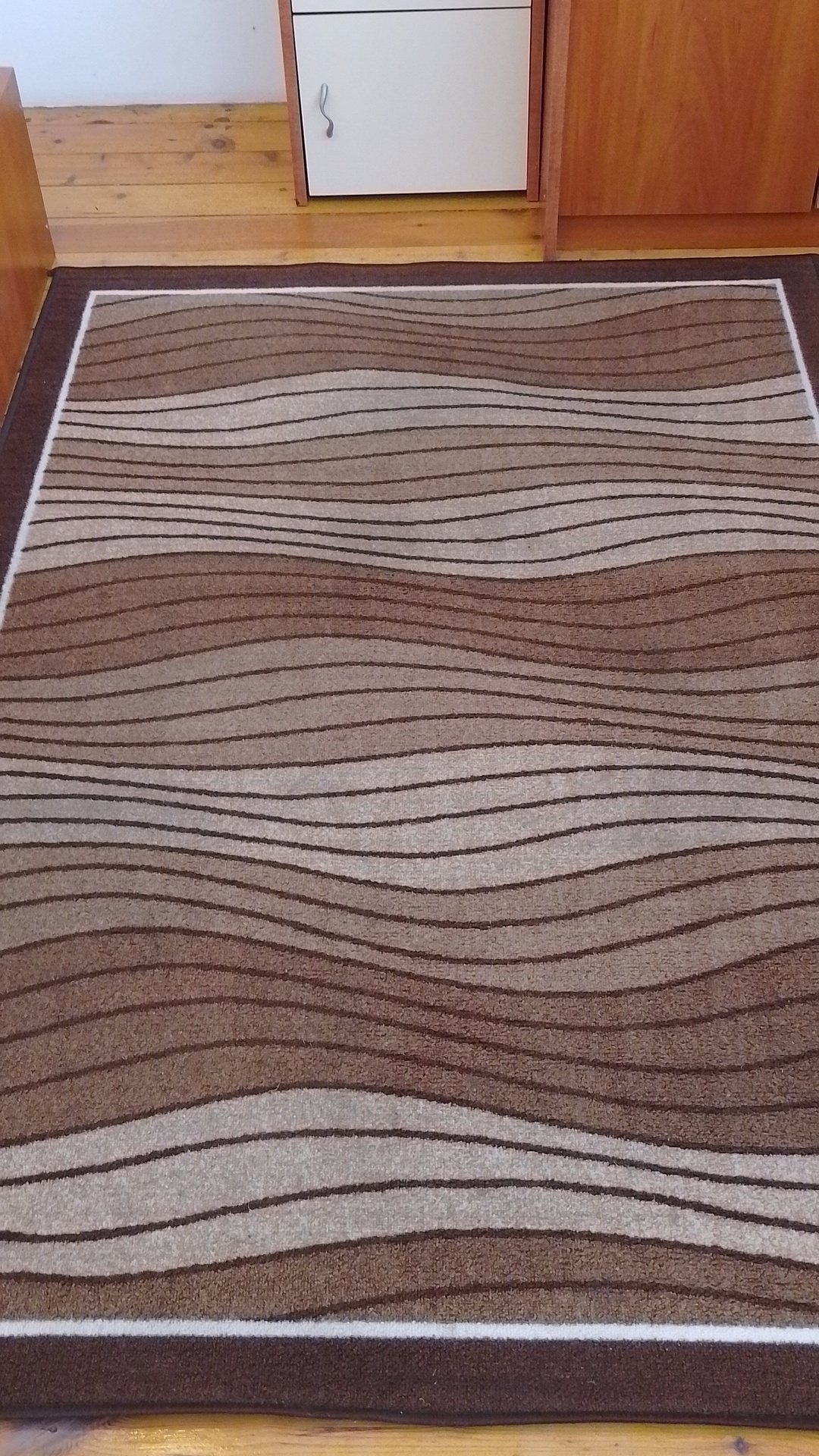
- 1 carpet up to 6m2 from 42 €
Prices are indicative, based on the lowest available offer from companies serving Dortmund. The exact price for your sofa is confirmed at the time of booking.


The Upholstery Cleaning Process Step by Step
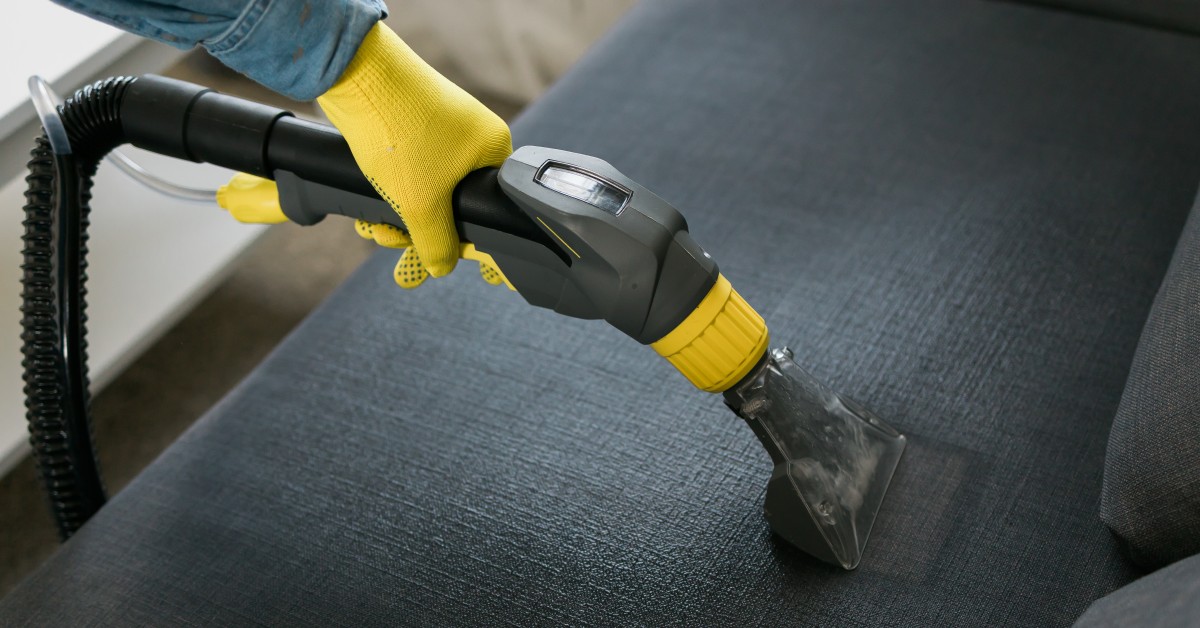
Professional upholstery cleaning follows a structured and methodical sequence. This ensures that each stage supports the next, minimising risk while maximising results.
Fabric Inspection and Testing
Before any cleaning begins, technicians carefully evaluate the furniture. This step is essential for preventing accidental damage and ensuring compatibility with cleaning agents.
The inspection includes assessment of:
- fabric composition;
- colour stability;
- level of soiling;
- specific stain types;
- sensitive areas such as seams, piping, or decorative buttons.
In many cases, a small inconspicuous area is tested first. This allows professionals to observe how the fabric reacts to moisture and cleaning solutions before proceeding with full treatment.
This precaution protects delicate materials and preserves the integrity of the upholstery.
Pre-Vacuuming
High-powered vacuuming is performed to remove loose debris, dust, pet hair, and surface particles. This step is crucial because introducing moisture without first removing dry dirt can create muddy residue that spreads deeper into the fabric.
Pre-vacuuming also improves the effectiveness of subsequent cleaning stages by allowing solutions to focus on embedded contamination rather than surface dust.
Targeted Pre-Treatment
Heavily used areas and visible stains are treated with fabric-appropriate pre-treatment solutions. This stage loosens embedded residue and breaks down oils before deep extraction.
Common treated stains include:
- coffee and wine;
- food spills;
- makeup marks;
- pet stains;
- sweat discoloration.
Each stain type is analysed to determine the appropriate solution. For example, protein-based stains require different treatment than oil-based or tannin-based stains.
Pre-treatment significantly increases the effectiveness of deep cleaning while reducing the need for excessive mechanical agitation.
Deep Cleaning and Extraction
The core phase of upholstery cleaning involves controlled hot water extraction or carefully regulated low-moisture cleaning methods.
During this stage, a cleaning solution is applied to loosen dirt within the fibres. Gentle agitation ensures even distribution without damaging texture. Powerful extraction equipment then removes loosened dirt along with moisture.
Moisture levels are carefully controlled to protect internal padding. Unlike DIY methods, professional extraction minimises the risk of oversaturation, which can otherwise lead to prolonged drying times or internal odour development.
This step restores fabric brightness, improves softness, and significantly reduces embedded contaminants.
Drying and Final Review
Efficient extraction combined with proper airflow ensures controlled drying. Cushions and seating areas are positioned to allow optimal air circulation.
Once drying is underway, a final inspection is conducted. This review confirms that stains have been treated effectively, colour remains consistent, and texture has been preserved.
If necessary, minor touch-ups are performed to ensure uniform appearance.
A fabric-sensitive approach combined with a structured cleaning process ensures that upholstered furniture is refreshed safely and thoroughly. By respecting material differences and following a systematic sequence, professional upholstery cleaning restores comfort, hygiene, and visual appeal without compromising the integrity of the fabric.
Health Advantages of Upholstery Cleaning
Deep upholstery cleaning contributes directly to improved indoor air quality and overall hygiene. Upholstered furniture traps airborne particles in the same way carpets do, functioning as passive collectors of dust and allergens.
Without periodic deep cleaning, these contaminants may accumulate in seating areas where people spend extended periods.
Reduction of Allergen Accumulation
Dust mites, pollen, and microscopic debris can settle within fabric layers and padding. In enclosed environments with limited airflow, these particles may remain concentrated.
Professional upholstery cleaning extracts embedded allergens, helping reduce their presence in indoor spaces and supporting improved breathing comfort.
Removal of Bacteria in High-Contact Areas
Armrests and seat cushions are high-contact surfaces. Over time, they can harbour bacteria transferred through daily use.
Deep extraction cleaning reduces bacterial presence by removing organic residue that serves as a breeding ground for microorganisms.
Elimination of Odour-Causing Particles
Upholstery absorbs odours from the surrounding environment, including food smells, smoke exposure, and humidity. These odours often originate from particles trapped within the fabric rather than from the visible surface.
Professional cleaning eliminates the source of odour instead of covering it with fragrance, resulting in a cleaner and fresher indoor atmosphere.
This becomes particularly important during colder seasons when ventilation is reduced and indoor air circulation is limited.
Frequently Asked Questions
How much does sofa cleaning cost?
Pricing depends on the sofa type and number of seats — two-seat, three-seat, or corner. The exact price is fixed during booking and does not change.
Do you clean corner sofas?
Yes. Corner sofas are cleaned in full, including the chaise section and removable cushions. Each section is treated separately based on its level of soiling.
Do you clean sofas at the customer's home?
Yes. The service is performed on-site at the customer's home — no need to transport the furniture.
How long does sofa cleaning take?
Typically 30–60 minutes of on-site work per sofa. Drying takes 4–8 hours depending on ventilation and fabric type.
What is the price?
Each company sets its own prices. For the first time in Domestina, companies are in direct competition, their offers are visible on one screen. This enables users to get the best deal for the work they need.
Does the weather have to be warm to book the service?
Absolutely not necessary. After treatment, the surfaces remain slightly moist and dry out in a matter of hours depending on how dirty the upholstery was. Of course, in warm weather, the upholstery will dry out a bit faster, but it's only a matter of a few hours difference.
How long does it take for the upholstery to dry?
The drying time depends on the fabric type, the level of dirt, and room ventilation, but in most cases, upholstery dries within 6 to 12 hours after cleaning. If needed, you can speed up the drying process by increasing air circulation, such as by opening windows or using fans.
How to select a cleaning company?
Domestina marks the best choice for your cleaning with the Recommended Choice badge. Based on multiple criteria that are an expression of persistency, professionalism and expertise and cost, the platform identifies the best choice for your cleaning.
Can all types of upholstery be cleaned?
Yes, most types of upholstery fabrics can be cleaned using professional equipment, including delicate materials like velvet or silk. However, it’s essential to communicate any specific fabric care instructions or concerns with the cleaning company when booking. They will adjust their approach accordingly to ensure safe and effective cleaning.
Is stain removal included in the service?
Yes, stain removal is part of the standard service. The professional equipment used by Domestina's cleaning companies is designed to treat common stains from food, drinks, and pets.
Do all stains disappear?
Although our technology is among the best, there are so-called 'permanent damages' — when the stain has altered the structure or color of the fiber itself (for example, hair dye or bleach). In 90% of the remaining cases, the result is complete removal.
Is the cleaning safe for pets?
Yes. Our methods are entirely safe. It is only important to restrict pets' access to the furniture until it dries completely, to avoid them tracking in dust with their paws.
Can leather be washed?
Yes, Domestina offers specialized cleaning for genuine leather as well, but the method is manual and involves professional conditioning balms rather than extraction.
How do I prepare before the team arrives to clean my sofa?
It is ideal to clear the area around the sofa (side tables, fragile objects) and gather personal belongings from the cushions/seat. This way, the team can work more efficiently and without interruption.
What do I do if I have an old stain and I don't know what it is?
When booking, mention that the stain is old and, if possible, describe the type of stain (greasy, colored, sticky). Even without certainty, this information helps the team to approach the stain more carefully and choose an appropriate working strategy.
Is it recommended to air out or use a fan after cleaning?
Yes. Airing out and air circulation are the simplest methods to speed up the drying process and reduce the feeling of residual humidity in the room.
Can I stay home during work?
Yes, it is usually recommended that someone be home for quick access and communication (for example, if there are sensitive areas or furniture preferences).
What do I choose: spot cleaning (just the sofa) or do I also include chairs/stools?
If you have upholstered chairs/stools in the same room and they show similar wear, it is worth including them in the same booking for a uniform result of the entire area (especially when the items are used together, daily).
How do I keep my sofa clean for longer after cleaning?
A simple habit is to periodically vacuum the sofa (including between the cushions), as well as immediately treat incidents (by dabbing, without aggressive rubbing). This reduces the accumulation of dirt in the material and maintains its appearance between two professional cleanings.
Can I sit on the couch while it's still slightly damp?
It's better to wait until the couch is completely dry. This protects the fabric and prevents new pressure marks or odors from forming.
How can I tell if a stain treatment was successful?
The final result is best visible after drying. Some stains appear more noticeable while damp and fade once the upholstery is dry.
Why does the couch sometimes smell odd even though it looks clean?
Odors often come from residues deep within the fabric — for example, from moisture, body contact, or organic particles. Professional odor neutralization targets areas that regular airing cannot reach.
What should I do if slight odors return after a few days?
In rare cases, odors can come back if the couch was heavily soiled deep down or if drying was too slow. Good ventilation after cleaning is therefore especially important.
Does couch cleaning help in households with allergy sufferers?
Regular cleaning can be helpful because dust and fine particles are removed from the fabric. For severe symptoms, additional attention to regular ventilation and general room hygiene is recommended.
Can I put pillows and blankets back on right after cleaning?
Once the upholstery is completely dry, yes. Before that, it's better to let the surface "breathe" so that no residual moisture gets trapped.
How often should you hire upholstery cleaning?
The ideal frequency varies depending on use, environment, and fabric composition. However, it is recommended to perform a complete upholstery cleaning at least twice a year to keep it in optimal condition.
- Rooms with pets or small children – higher risk of stains, hair, and allergens. Upholstery cleaning is recommended every 4–6 months to maintain hygiene and prevent premature wear.
- Allergy or asthma sufferers - fibers accumulate mites and dust, which worsen symptoms. Professional cleaning every three months, ideally with steam cleaning, improves indoor air quality.
- High-traffic environments - frequent contact creates visible dirt and unpleasant odors. Scheduling cleaning of armchairs or chairs every 1 to 2 months is essential to maintain their appearance and hygiene.
- After renovations, moving, or prolonged disuse – construction dust or accumulated moisture requires intensive cleaning. Our in-home upholstery cleaning service allows you to restore fabrics without moving the furniture.


 WORK
WORK