
Upholstery Cleaning
Team
Payment
What is included in the service?
- Sofas and armchairs upholstery cleaning (incl. pillows);
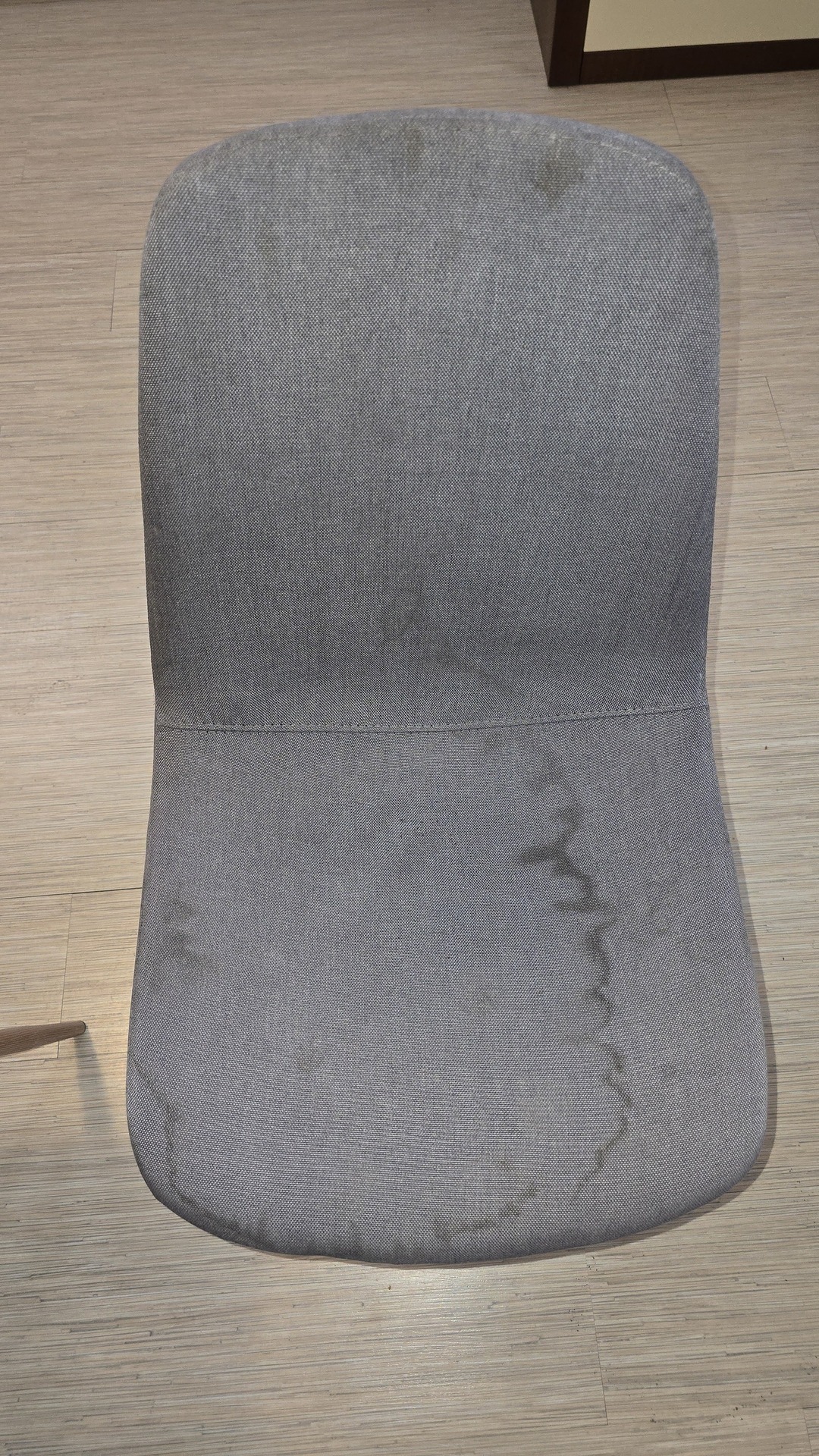
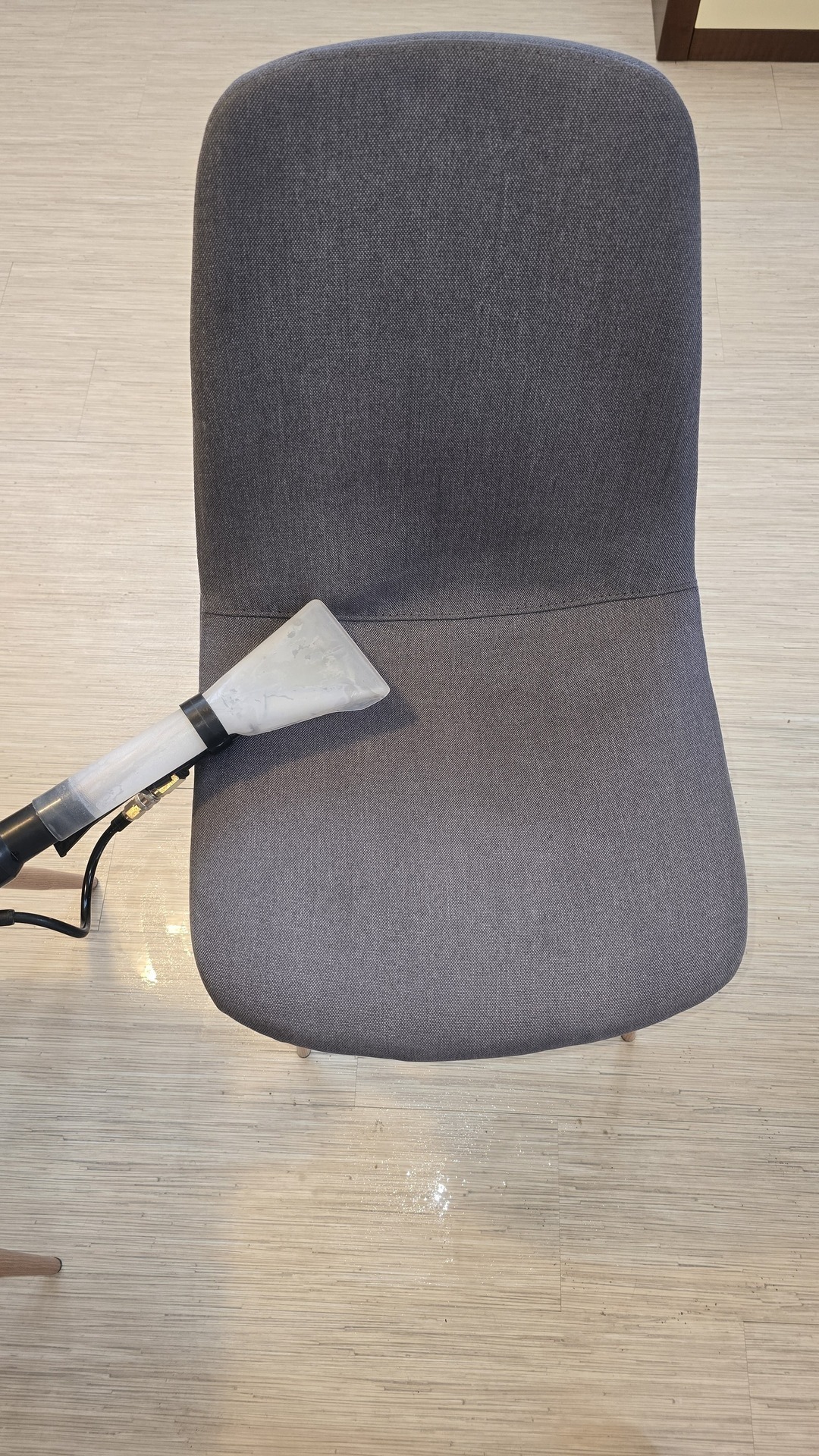
- Chair and stool upholstery cleaning;
- Stain Removal: Tackling tough stains like food, drink spills, and pet accidents.
- Odor Neutralization: Removing unpleasant odors trapped in the fabrics.
How it works?
How long does the service take?
How long does it take for upholstery to dry?
How often should I wash the upholstery?
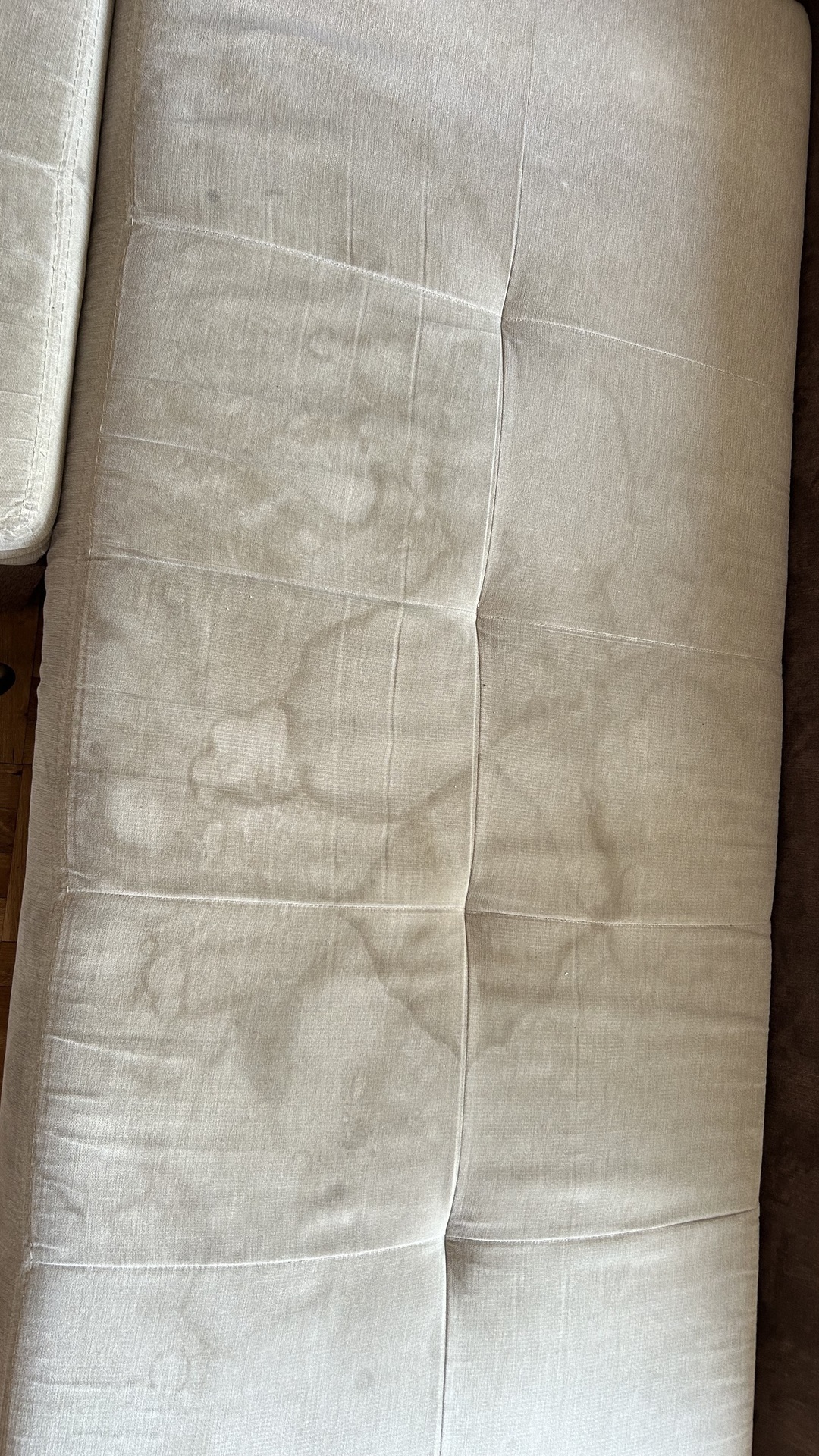
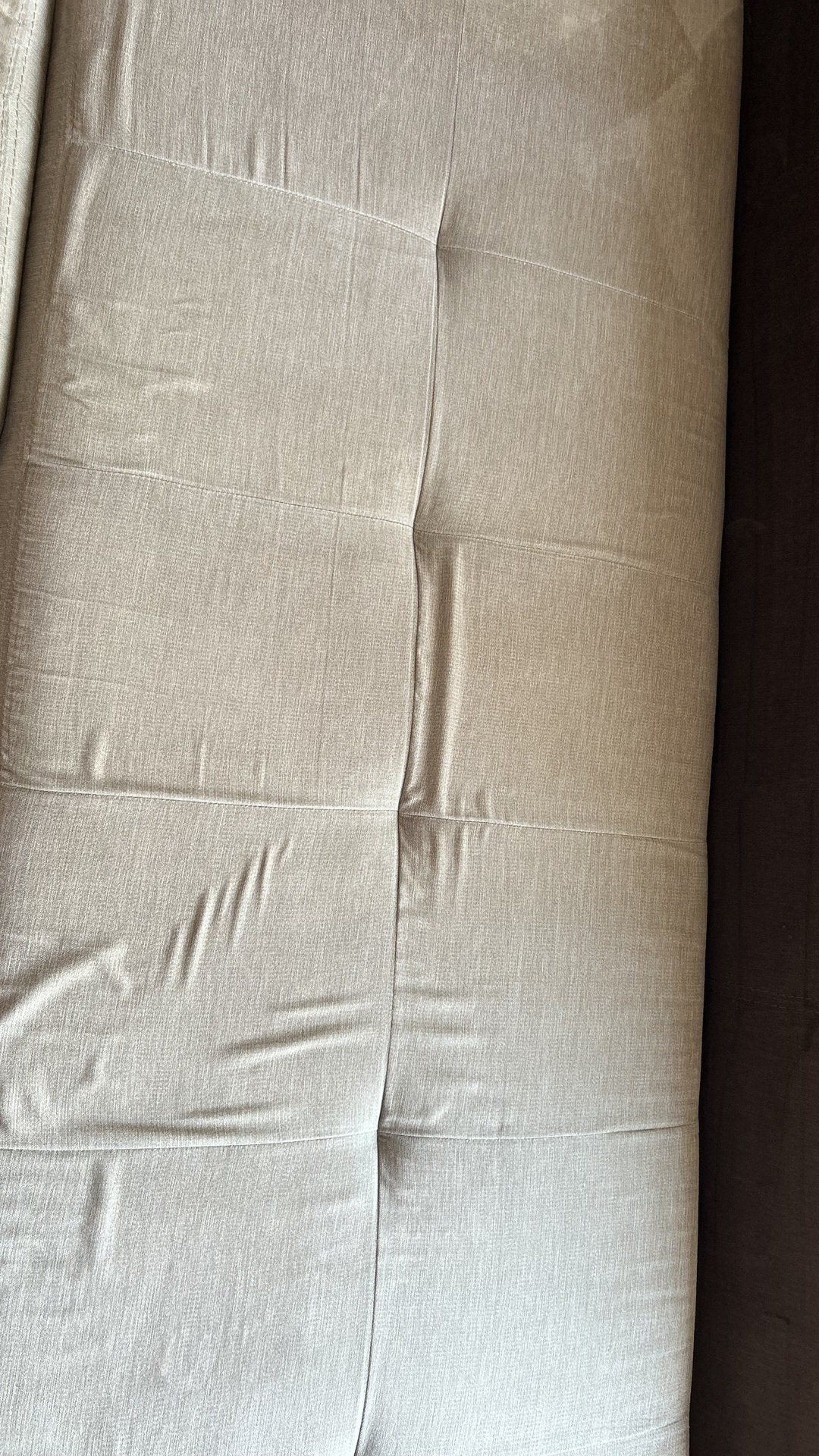
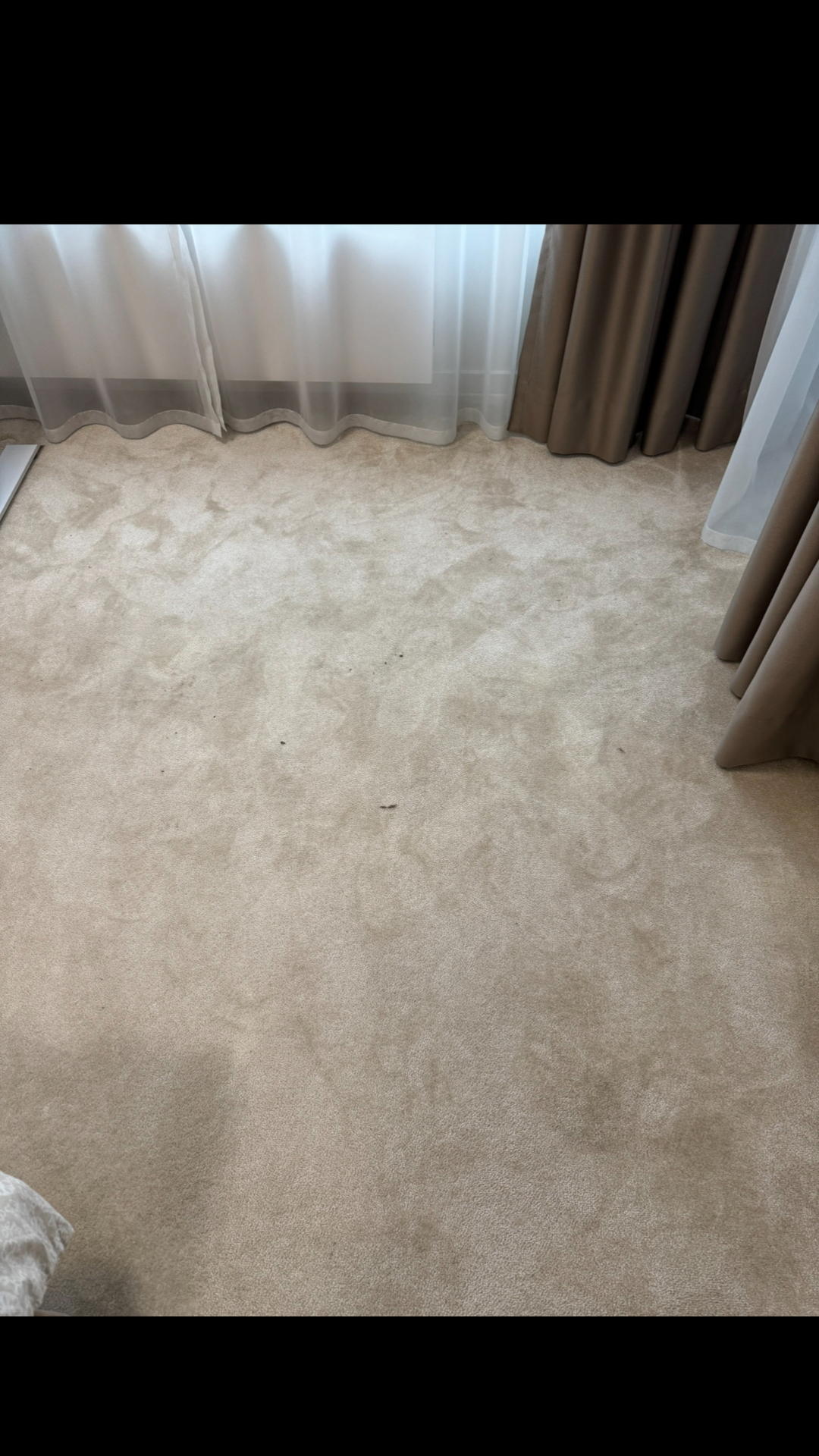
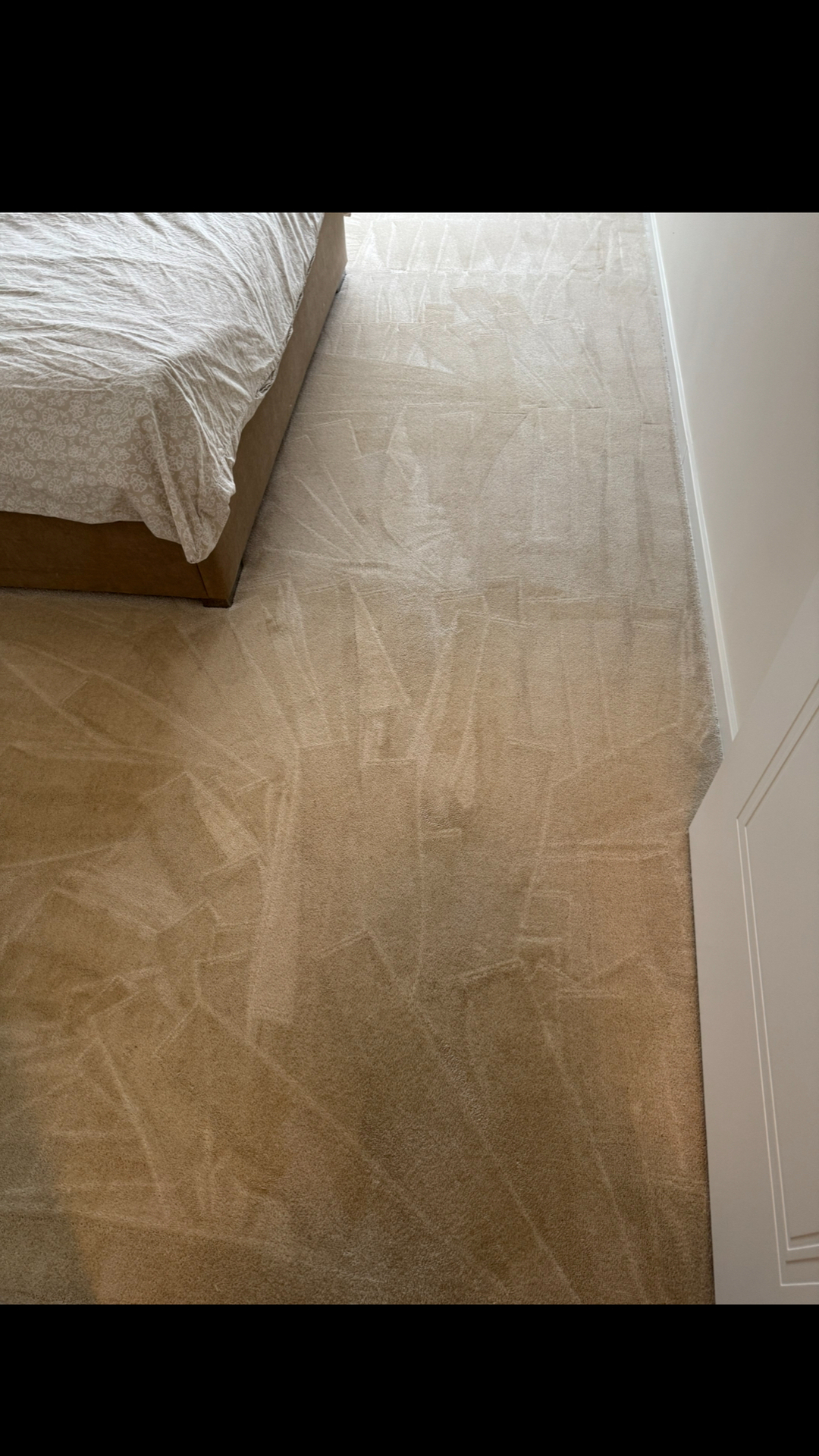
What's the expected end result?


Sofa & upholstery cleaning prices
Transparent prices, fixed at the time of booking. The service is performed at the customer's home — no need to transport the furniture.
- 1 sofa seat from 25.8 €
- 1 armchair from 34.4 €
- 1 chair from 17.2 €
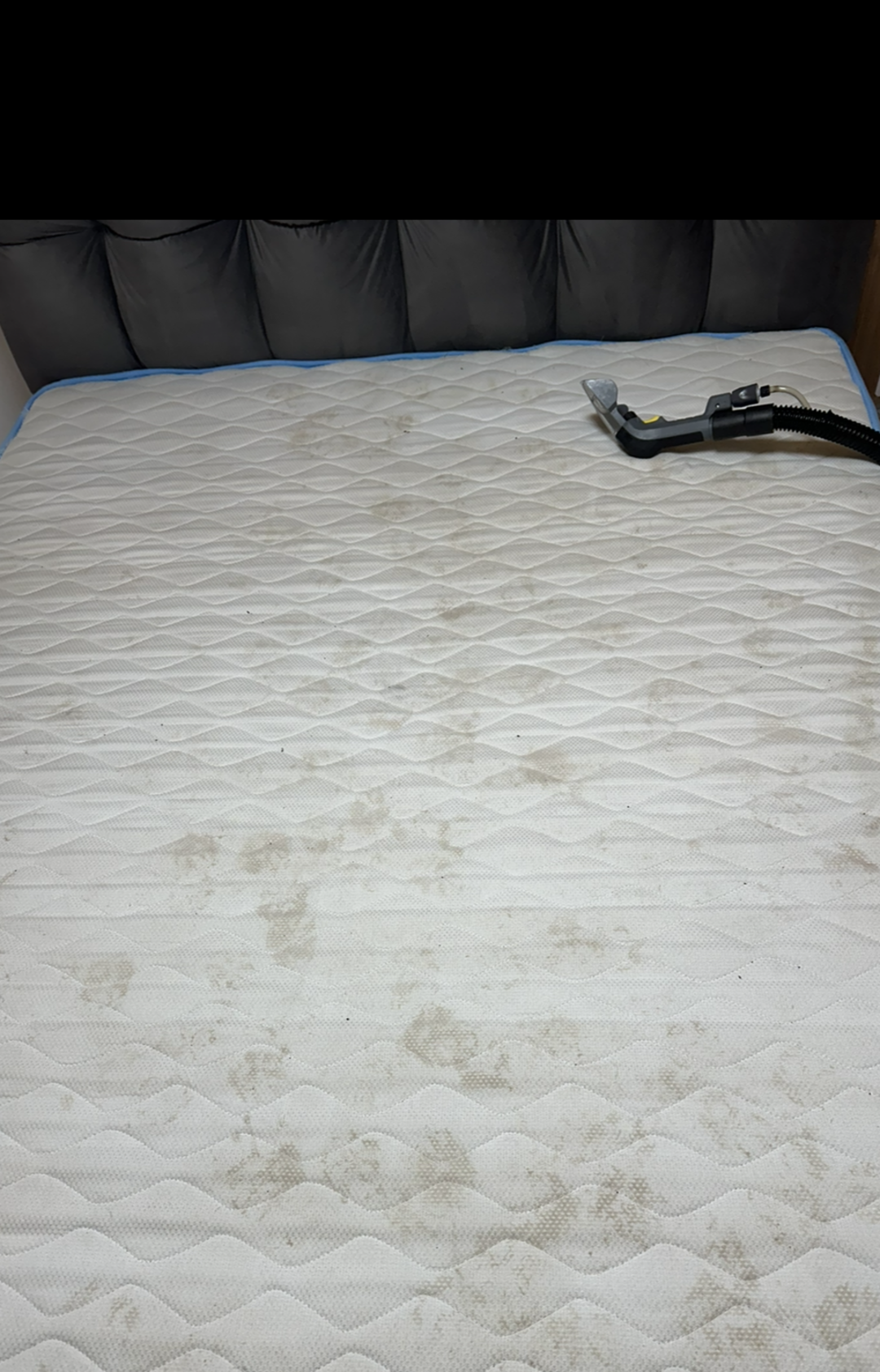
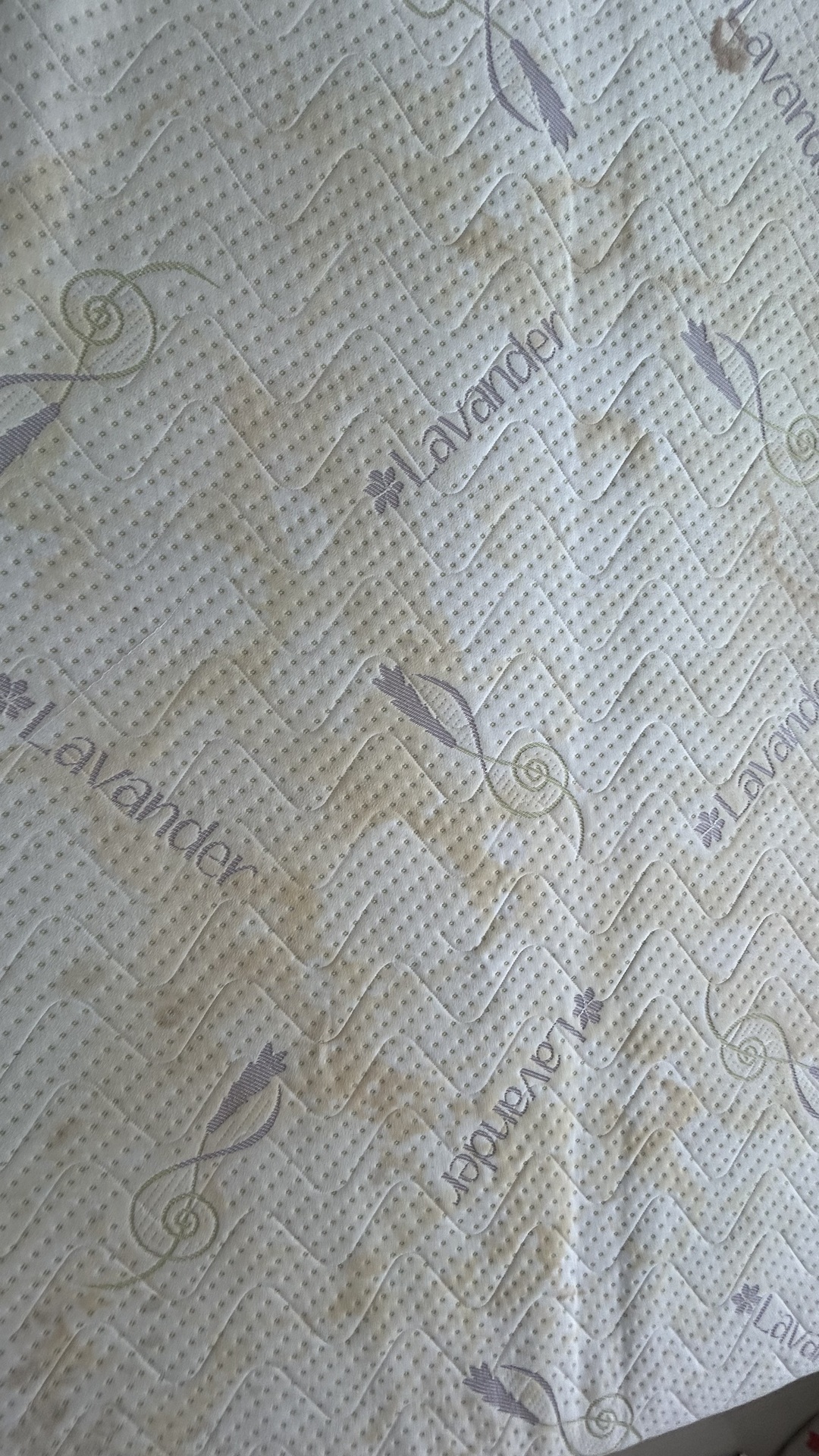
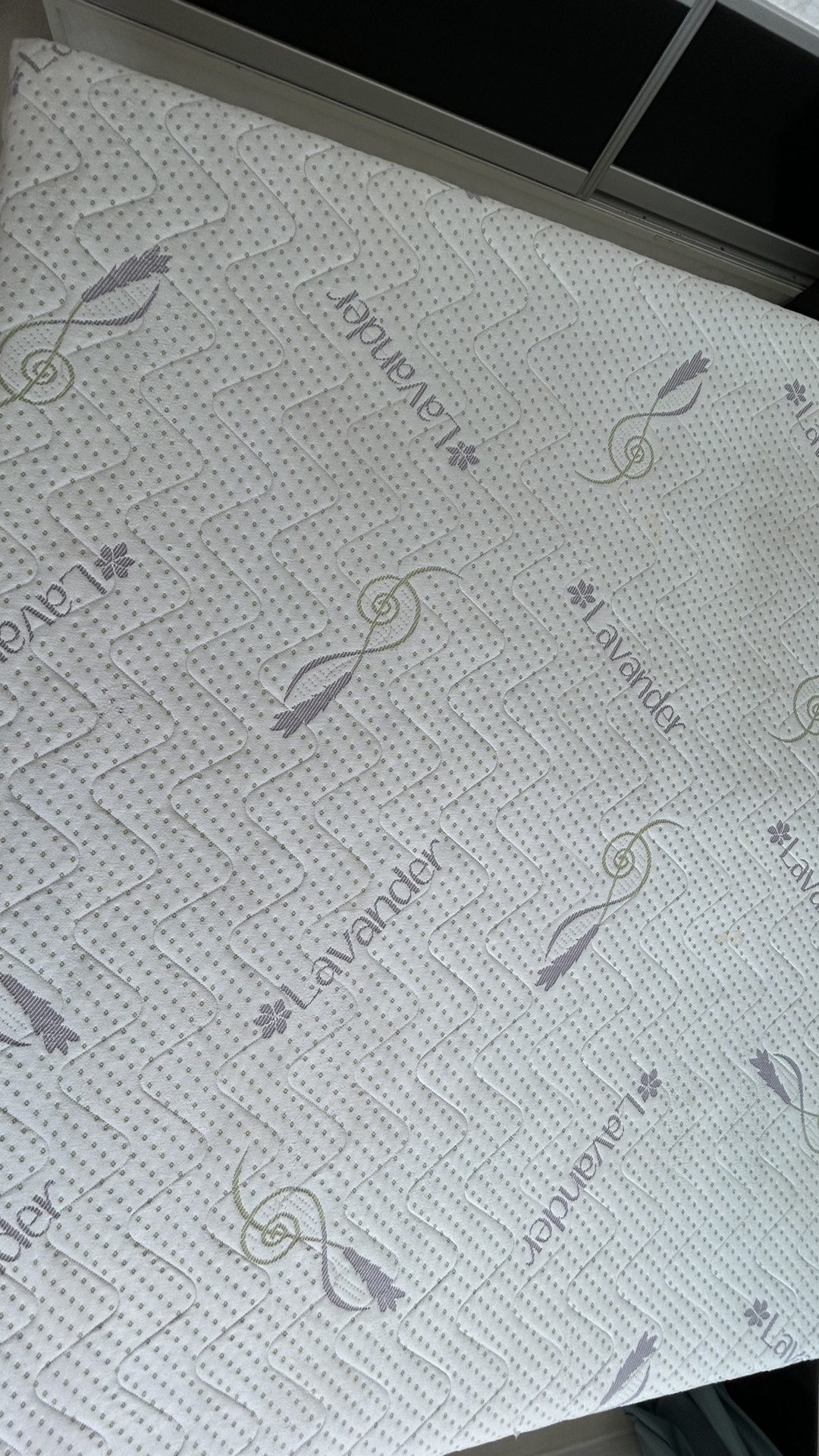
- 1 mattress up to 100cm from 43 €
- 1 mattress over 100cm from 64.5 €
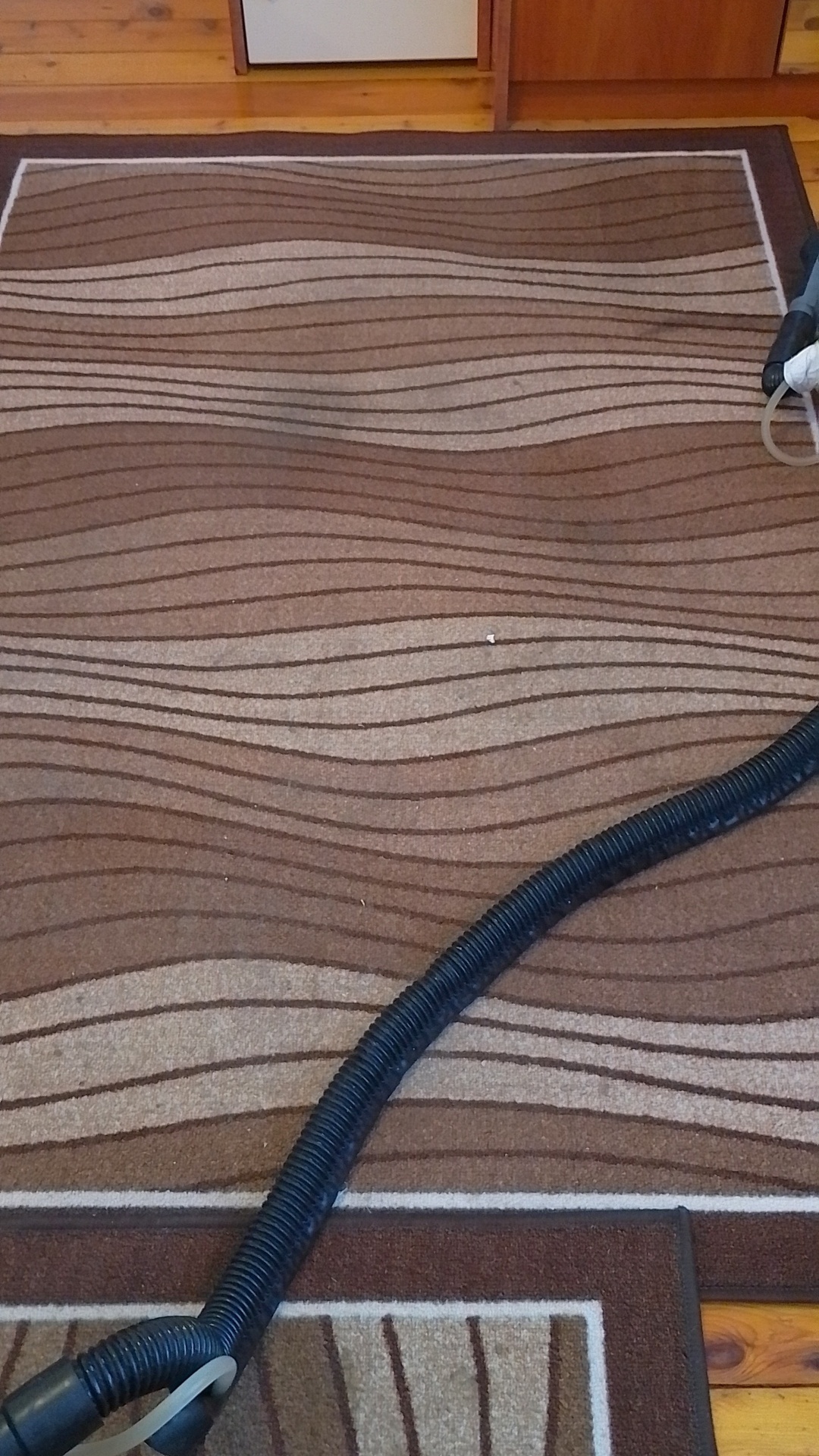
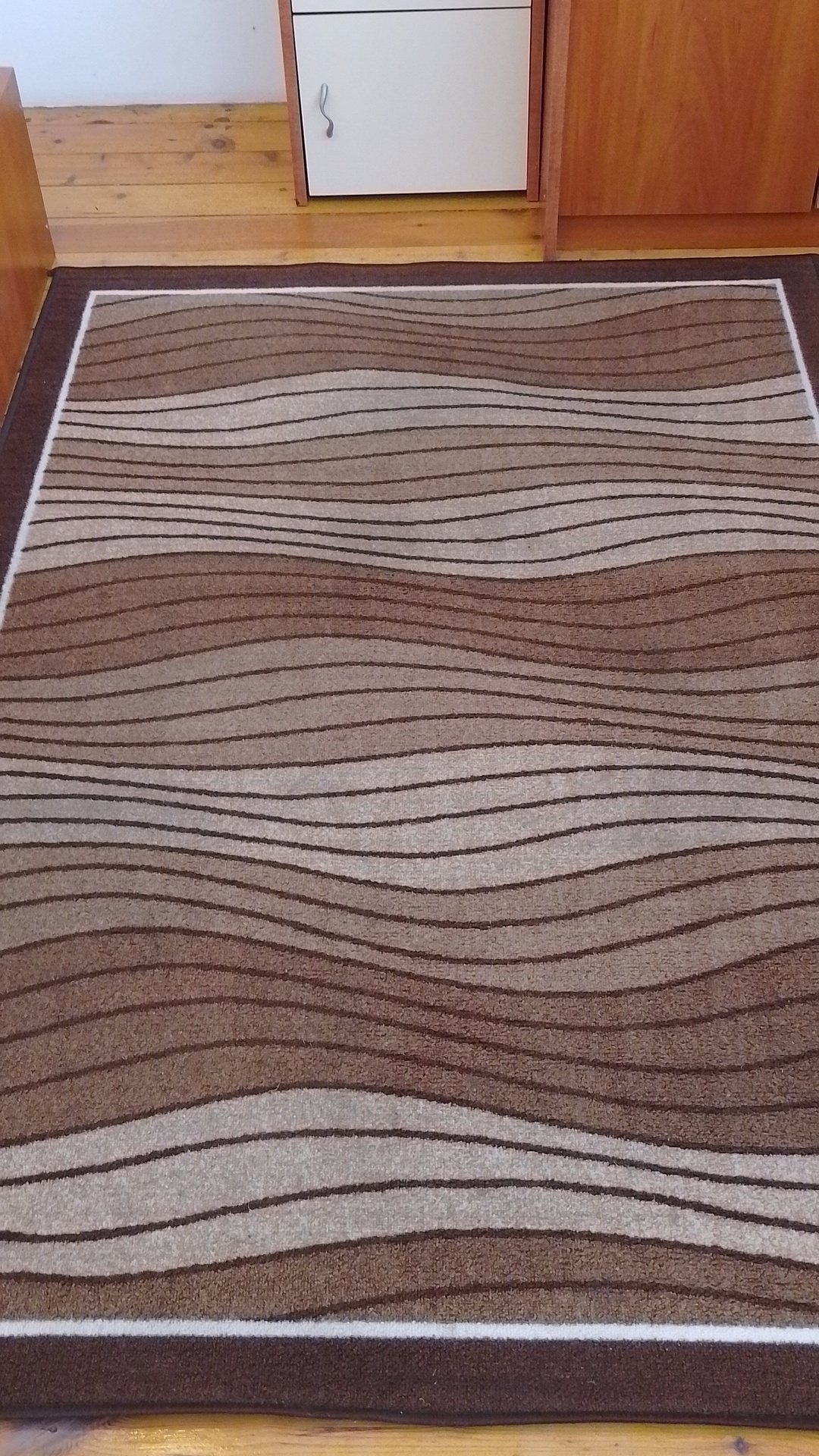
- 1 carpet up to 6m2 from 34.4 €
Prices are indicative, based on the lowest available offer from companies on the platform. The exact price for your sofa is confirmed at the time of booking.


The Upholstery Cleaning Process Step by Step
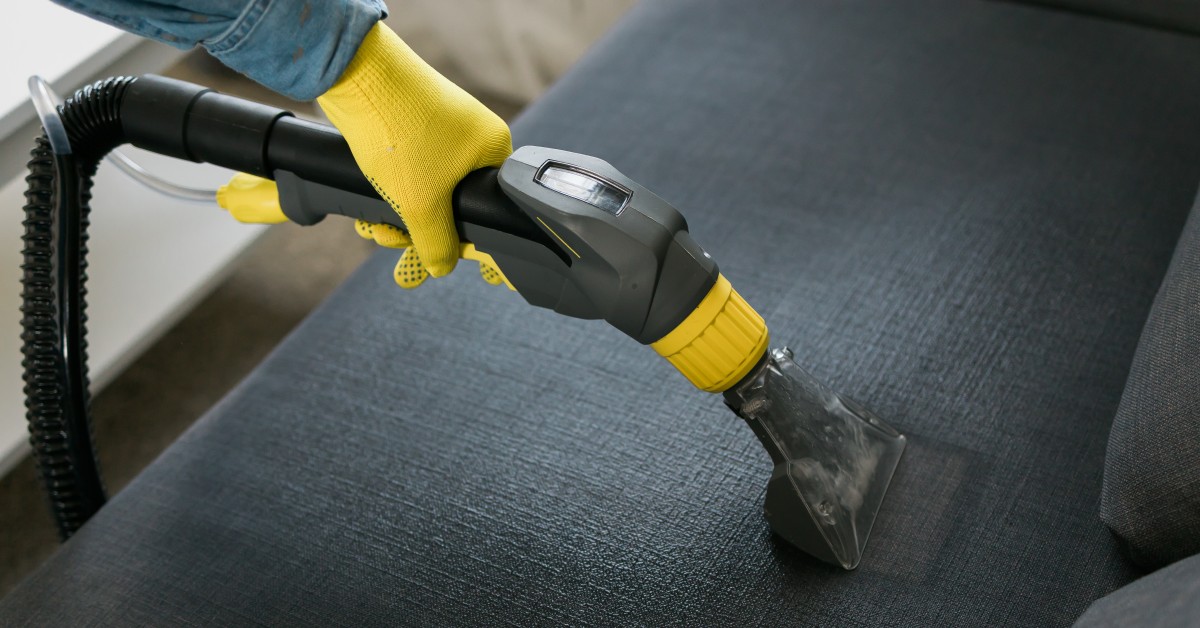
Professional upholstery cleaning follows a structured and methodical sequence. This ensures that each stage supports the next, minimising risk while maximising results.
Fabric Inspection and Testing
Before any cleaning begins, technicians carefully evaluate the furniture. This step is essential for preventing accidental damage and ensuring compatibility with cleaning agents.
The inspection includes assessment of:
- fabric composition;
- colour stability;
- level of soiling;
- specific stain types;
- sensitive areas such as seams, piping, or decorative buttons.
In many cases, a small inconspicuous area is tested first. This allows professionals to observe how the fabric reacts to moisture and cleaning solutions before proceeding with full treatment.
This precaution protects delicate materials and preserves the integrity of the upholstery.
Pre-Vacuuming
High-powered vacuuming is performed to remove loose debris, dust, pet hair, and surface particles. This step is crucial because introducing moisture without first removing dry dirt can create muddy residue that spreads deeper into the fabric.
Pre-vacuuming also improves the effectiveness of subsequent cleaning stages by allowing solutions to focus on embedded contamination rather than surface dust.
Targeted Pre-Treatment
Heavily used areas and visible stains are treated with fabric-appropriate pre-treatment solutions. This stage loosens embedded residue and breaks down oils before deep extraction.
Common treated stains include:
- coffee and wine;
- food spills;
- makeup marks;
- pet stains;
- sweat discoloration.
Each stain type is analysed to determine the appropriate solution. For example, protein-based stains require different treatment than oil-based or tannin-based stains.
Pre-treatment significantly increases the effectiveness of deep cleaning while reducing the need for excessive mechanical agitation.
Deep Cleaning and Extraction
The core phase of upholstery cleaning involves controlled hot water extraction or carefully regulated low-moisture cleaning methods.
During this stage, a cleaning solution is applied to loosen dirt within the fibres. Gentle agitation ensures even distribution without damaging texture. Powerful extraction equipment then removes loosened dirt along with moisture.
Moisture levels are carefully controlled to protect internal padding. Unlike DIY methods, professional extraction minimises the risk of oversaturation, which can otherwise lead to prolonged drying times or internal odour development.
This step restores fabric brightness, improves softness, and significantly reduces embedded contaminants.
Drying and Final Review
Efficient extraction combined with proper airflow ensures controlled drying. Cushions and seating areas are positioned to allow optimal air circulation.
Once drying is underway, a final inspection is conducted. This review confirms that stains have been treated effectively, colour remains consistent, and texture has been preserved.
If necessary, minor touch-ups are performed to ensure uniform appearance.
A fabric-sensitive approach combined with a structured cleaning process ensures that upholstered furniture is refreshed safely and thoroughly. By respecting material differences and following a systematic sequence, professional upholstery cleaning restores comfort, hygiene, and visual appeal without compromising the integrity of the fabric.
Health Advantages of Upholstery Cleaning
Deep upholstery cleaning contributes directly to improved indoor air quality and overall hygiene. Upholstered furniture traps airborne particles in the same way carpets do, functioning as passive collectors of dust and allergens.
Without periodic deep cleaning, these contaminants may accumulate in seating areas where people spend extended periods.
Reduction of Allergen Accumulation
Dust mites, pollen, and microscopic debris can settle within fabric layers and padding. In enclosed environments with limited airflow, these particles may remain concentrated.
Professional upholstery cleaning extracts embedded allergens, helping reduce their presence in indoor spaces and supporting improved breathing comfort.
Removal of Bacteria in High-Contact Areas
Armrests and seat cushions are high-contact surfaces. Over time, they can harbour bacteria transferred through daily use.
Deep extraction cleaning reduces bacterial presence by removing organic residue that serves as a breeding ground for microorganisms.
Elimination of Odour-Causing Particles
Upholstery absorbs odours from the surrounding environment, including food smells, smoke exposure, and humidity. These odours often originate from particles trapped within the fabric rather than from the visible surface.
Professional cleaning eliminates the source of odour instead of covering it with fragrance, resulting in a cleaner and fresher indoor atmosphere.
This becomes particularly important during colder seasons when ventilation is reduced and indoor air circulation is limited.
Frequently Asked Questions
How much does sofa cleaning cost?
Pricing depends on the sofa type and number of seats — two-seat, three-seat, or corner. The exact price is fixed during booking and does not change.
Do you clean corner sofas?
Yes. Corner sofas are cleaned in full, including the chaise section and removable cushions. Each section is treated separately based on its level of soiling.
Do you clean sofas at the customer's home?
Yes. The service is performed on-site at the customer's home — no need to transport the furniture.
How long does sofa cleaning take?
Typically 30–60 minutes of on-site work per sofa. Drying takes 4–8 hours depending on ventilation and fabric type.
What is the price?
Each company sets its own prices. For the first time in Domestina, companies are in direct competition, their offers are visible on one screen. This enables users to get the best deal for the work they need.
Does the weather have to be warm to book the service?
Absolutely not necessary. After treatment, the surfaces remain slightly moist and dry out in a matter of hours depending on how dirty the upholstery was. Of course, in warm weather, the upholstery will dry out a bit faster, but it's only a matter of a few hours difference.
How long does it take for the upholstery to dry?
The drying time depends on the fabric type, the level of dirt, and room ventilation, but in most cases, upholstery dries within 6 to 12 hours after cleaning. If needed, you can speed up the drying process by increasing air circulation, such as by opening windows or using fans.
How to select a cleaning company?
Domestina marks the best choice for your cleaning with the Recommended Choice badge. Based on multiple criteria that are an expression of persistency, professionalism and expertise and cost, the platform identifies the best choice for your cleaning.
Can all types of upholstery be cleaned?
Yes, most types of upholstery fabrics can be cleaned using professional equipment, including delicate materials like velvet or silk. However, it’s essential to communicate any specific fabric care instructions or concerns with the cleaning company when booking. They will adjust their approach accordingly to ensure safe and effective cleaning.
Is stain removal included in the service?
Yes, stain removal is part of the standard service. The professional equipment used by Domestina's cleaning companies is designed to treat common stains from food, drinks, and pets.
Do all stains disappear?
Although our technology is among the best, there are so-called 'permanent damages' — when the stain has altered the structure or color of the fiber itself (for example, hair dye or bleach). In 90% of the remaining cases, the result is complete removal.
Is the cleaning safe for pets?
Yes. Our methods are entirely safe. It is only important to restrict pets' access to the furniture until it dries completely, to avoid them tracking in dust with their paws.
Can leather be washed?
Yes, Domestina offers specialized cleaning for genuine leather as well, but the method is manual and involves professional conditioning balms rather than extraction.
How do I prepare before the team arrives to clean my sofa?
It is ideal to clear the area around the sofa (side tables, fragile objects) and gather personal belongings from the cushions/seat. This way, the team can work more efficiently and without interruption.
What do I do if I have an old stain and I don't know what it is?
When booking, mention that the stain is old and, if possible, describe the type of stain (greasy, colored, sticky). Even without certainty, this information helps the team to approach the stain more carefully and choose an appropriate working strategy.
Is it recommended to air out or use a fan after cleaning?
Yes. Airing out and air circulation are the simplest methods to speed up the drying process and reduce the feeling of residual humidity in the room.
Can I stay home during work?
Yes, it is usually recommended that someone be home for quick access and communication (for example, if there are sensitive areas or furniture preferences).
What do I choose: spot cleaning (just the sofa) or do I also include chairs/stools?
If you have upholstered chairs/stools in the same room and they show similar wear, it is worth including them in the same booking for a uniform result of the entire area (especially when the items are used together, daily).
How do I keep my sofa clean for longer after cleaning?
A simple habit is to periodically vacuum the sofa (including between the cushions), as well as immediately treat incidents (by dabbing, without aggressive rubbing). This reduces the accumulation of dirt in the material and maintains its appearance between two professional cleanings.
Can I sit on the couch while it's still slightly damp?
It's better to wait until the couch is completely dry. This protects the fabric and prevents new pressure marks or odors from forming.
How can I tell if a stain treatment was successful?
The final result is best visible after drying. Some stains appear more noticeable while damp and fade once the upholstery is dry.
Why does the couch sometimes smell odd even though it looks clean?
Odors often come from residues deep within the fabric — for example, from moisture, body contact, or organic particles. Professional odor neutralization targets areas that regular airing cannot reach.
What should I do if slight odors return after a few days?
In rare cases, odors can come back if the couch was heavily soiled deep down or if drying was too slow. Good ventilation after cleaning is therefore especially important.
Does couch cleaning help in households with allergy sufferers?
Regular cleaning can be helpful because dust and fine particles are removed from the fabric. For severe symptoms, additional attention to regular ventilation and general room hygiene is recommended.
Can I put pillows and blankets back on right after cleaning?
Once the upholstery is completely dry, yes. Before that, it's better to let the surface "breathe" so that no residual moisture gets trapped.
How often should you hire upholstery cleaning?
The ideal frequency varies depending on use, environment, and fabric composition. However, it is recommended to perform a complete upholstery cleaning at least twice a year to keep it in optimal condition.
- Rooms with pets or small children – higher risk of stains, hair, and allergens. Upholstery cleaning is recommended every 4–6 months to maintain hygiene and prevent premature wear.
- Allergy or asthma sufferers - fibers accumulate mites and dust, which worsen symptoms. Professional cleaning every three months, ideally with steam cleaning, improves indoor air quality.
- High-traffic environments - frequent contact creates visible dirt and unpleasant odors. Scheduling cleaning of armchairs or chairs every 1 to 2 months is essential to maintain their appearance and hygiene.
- After renovations, moving, or prolonged disuse – construction dust or accumulated moisture requires intensive cleaning. Our in-home upholstery cleaning service allows you to restore fabrics without moving the furniture.
Why Upholstered Furniture Requires Professional Cleaning
Upholstered furniture differs significantly from carpets or hard flooring in both structure and function. While hard surfaces can be wiped clean and carpets are designed to withstand deeper extraction methods, upholstery consists of layered materials that combine fabric, cushioning, springs, and internal padding. This multi-layer construction makes it comfortable – but also more vulnerable to long-term contamination.
The visible fabric surface is only one part of the structure. Beneath it lies padding that can absorb moisture, dust, and microscopic particles over extended periods. Because these materials are not easily accessible, contaminants can remain trapped deep inside, even when the furniture appears clean.
Daily use leads to the gradual accumulation of:
- skin cells and body oils;
- dust and airborne particles;
- food crumbs and spills;
- pet hair and dander;
- sweat and moisture;
- odour-causing bacteria.
Skin Cells and Body Oils
Every time we sit or lie on upholstered furniture, natural oils and microscopic skin particles transfer onto the fabric. Over time, these substances create subtle darkening on armrests, headrests, and seat cushions.
Body oils are particularly challenging because they bond with fibres and attract additional dust. This combination gradually changes the appearance and texture of the upholstery.
Professional cleaning breaks down oil residue and restores a more uniform fabric tone.
Dust and Airborne Particles
Indoor air continuously carries fine particles such as dust, pollen, and environmental pollutants. Upholstery acts as a passive filter, trapping these particles within its fibres.
Unlike flat surfaces that can be wiped daily, upholstery accumulates dust inside seams, folds, and cushion layers. Without periodic deep cleaning, this buildup remains embedded and may affect indoor air quality.
Food Crumbs and Spills
Living rooms and seating areas are often used for meals, snacks, and beverages. Even small crumbs can fall between cushions and settle deep within the structure.
Liquid spills are especially problematic. If not extracted properly, moisture can seep into the padding, leading to:
- long-term discolouration;
- fabric weakening;
- lingering odours.
Surface cleaning alone cannot remove liquid that has penetrated beyond the outer layer.
Pet Hair and Dander
Homes with pets experience additional upholstery contamination. Pet hair often becomes entangled within textured fabrics, while microscopic dander particles settle into seams and cushion folds.
This buildup can contribute to odour retention and allergen concentration, especially in frequently used seating areas.
Professional upholstery cleaning helps extract embedded pet hair and reduce dander presence more effectively than household vacuuming.
Sweat and Moisture
Even normal daily use introduces moisture into upholstery. Body heat combined with limited airflow in dense cushions can create a humid microenvironment within the padding.
Over time, this moisture can contribute to odor development and internal contamination if not periodically addressed.
Odour-Causing Bacteria
When organic material such as skin cells, sweat, or food residue accumulates, it creates conditions where bacteria may develop. While not always visible, these microorganisms can produce persistent smells that remain trapped in the upholstery layers.
Professional cleaning focuses on removing the source of odour rather than masking it.
Because upholstery fibres are dense and layered, contaminants become embedded below the visible surface. Regular vacuuming may remove loose debris, but it does not penetrate deeply enough to extract compacted residue or absorbed moisture.
Professional upholstery cleaning uses fabric-appropriate solutions and controlled extraction methods to address both surface stains and deep-seated buildup. This comprehensive approach restores not only appearance but also hygiene, comfort, and freshness.
Investing in periodic professional cleaning ensures that upholstered furniture remains not just visually appealing, but truly clean and well-maintained over time.
What Happens Inside Your Sofa Over Time?
At first glance, a sofa may appear clean and well-maintained. Cushions look smooth, fabric seems intact, and no visible stains are present. However, upholstery works very differently from hard surfaces. Because of its layered structure and constant use, contaminants gradually accumulate deep inside the furniture, far beyond what is visible to the eye.
Upholstered furniture functions like a soft reservoir. The fabric surface traps particles, while the padding beneath absorbs moisture, dust, and microscopic debris over months and years of daily use. Even in well-kept homes, this internal buildup can develop silently.
Dust and Allergen Accumulation
Indoor air continuously carries fine particles such as dust, pollen, textile fibres, and environmental pollutants. Sofas and chairs naturally capture these airborne elements as they settle from circulation.
Over time:
- pollen particles embed into fabric fibres;
- dust mites find favourable conditions within padding;
- microscopic debris settles in seams and folds;
- allergens become concentrated in frequently used seating areas.
Because sofas are often placed in central living spaces, they are exposed to constant air movement. Every time someone sits down, small particles can be released back into the surrounding air.
Without periodic deep cleaning, these trapped allergens remain embedded within the upholstery layers and may contribute to reduced indoor air quality, particularly in enclosed environments during colder months.
Absorption of Body Oils and Moisture
Daily contact with upholstered furniture transfers natural body oils and microscopic skin particles onto the fabric. This gradual accumulation is most noticeable on:
- armrests;
- headrests;
- seat cushions;
- back support areas.
Over time, these oils attract additional dust, leading to subtle darkening and uneven colouration in high-contact zones.
Moisture is another hidden factor. Sweat, humidity, and small spills can penetrate beyond the outer fabric layer. Once absorbed into the cushioning, moisture may:
- create a slightly damp internal environment;
- contribute to odour formation;
- weaken fabric structure over time if untreated.
Because padding materials are thick and slow to dry naturally, internal moisture can persist longer than expected.
Stain Penetration Below the Surface
When liquids such as coffee, wine, or soft drinks are spilt on upholstery, the visible stain on the surface is only part of the issue. Fluids often travel downward through the fibres and into deeper layers.
Surface wiping may remove:
- excess liquid;
- visible discolouration;
- immediate residue.
However, internal contamination can remain trapped in the padding. Over time, this may lead to:
- recurring stains that reappear after drying;
- persistent odours;
- gradual fibre deterioration;
- internal residue buildup.
Professional upholstery cleaning targets these deeper layers using controlled extraction methods. By reaching beyond the visible surface, it removes embedded contaminants safely and effectively.
Long-Term Impact on Comfort and Appearance
As dust, oils, and moisture accumulate internally, upholstery may gradually lose its original texture and freshness. Cushions may feel heavier or less resilient, fabric may appear dull, and subtle odours may develop even if the surface looks clean.
Because much of this contamination is hidden, regular professional cleaning plays a crucial role in maintaining not only appearance but also hygiene and long-term material quality.
Upholstered furniture is used daily and exposed to continuous contact. Over time, invisible buildup becomes inevitable. Deep, fabric-sensitive cleaning ensures that what lies beneath the surface is addressed properly, restoring freshness and extending the lifespan of your furniture.
A Fabric-Sensitive Cleaning Approach
Upholstered furniture is manufactured from a wide variety of textile materials, each with unique structural properties. Unlike hard flooring or standardised carpets, upholstery fabrics differ in fibre composition, weave density, colour stability, and moisture tolerance. Because of this variability, a one-size-fits-all cleaning method can cause more harm than good.
Using excessive moisture on delicate fabrics may result in shrinkage. Aggressive chemicals can lead to discolouration or fading. Strong mechanical agitation can distort texture or damage delicate fibres such as velvet or wool blends.
Professional upholstery cleaning begins with precise fabric identification and a careful assessment of the furniture’s condition. This ensures that the cleaning method is adapted specifically to the material rather than applied generically.
Understanding Common Upholstery Materials
Different upholstery fabrics respond differently to moisture, cleaning agents, and agitation. Below are some of the most common materials used in residential and commercial furniture.
Cotton Blends
Cotton-based fabrics are breathable and comfortable but can be sensitive to excessive moisture. They may shrink if not handled carefully and can absorb stains quickly. Controlled extraction and balanced drying are essential.
Microfiber
Microfiber is known for its durability and stain resistance. However, improper cleaning can leave watermarks or alter the fabric’s texture. Gentle agitation and even moisture distribution are key.
Polyester
Polyester upholstery is generally resilient and colourfast. It responds well to structured cleaning but may retain oils in high-contact areas. Specialised degreasing treatment is often required.
Linen
Linen has a natural, elegant texture, but it can wrinkle and shrink if exposed to excessive moisture. Low-moisture methods are typically preferred for this material.
Velvet
Velvet requires particularly careful handling due to its raised pile structure. Excessive friction can flatten fibres, affecting appearance. Cleaning must preserve the fabric’s direction and softness.
Wool Blends
Wool is sensitive to heat and alkaline cleaning agents. Temperature control and pH-balanced solutions are critical to prevent fibre distortion.
Synthetic Performance Fabrics
Modern performance fabrics are designed to resist staining and moisture penetration. However, professional treatment is still required to remove deep-seated contaminants safely.
Each fabric type requires a tailored approach that considers fiber strength, moisture absorption rate, and colour stability.
Upholstery Cleaning for Sofas and Sectionals
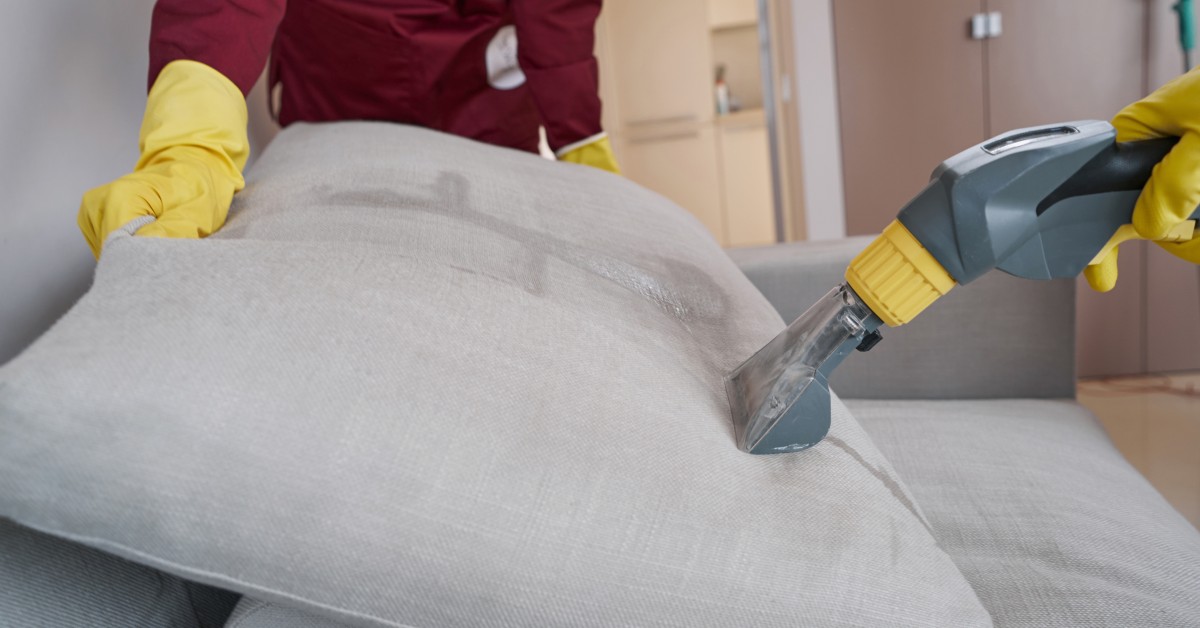
Sofas are among the most frequently used pieces of furniture in any home. They serve as gathering spaces, relaxation zones, and often even informal dining areas. Because of their constant use, sofas accumulate contamination faster than many other household items.
Sectional sofas, in particular, tend to show uneven wear. Certain seats are used more frequently than others, leading to visible differences in colour tone, texture, and cleanliness. Corners, seams, and cushion joints can trap dust and crumbs that are difficult to remove with routine vacuuming.
Over time, daily use affects both the appearance and internal structure of the sofa.
Uneven Soiling and High-Contact Areas
Armrests, headrests, and seat cushions are exposed to repeated contact. Natural body oils, friction, and pressure gradually cause:
- darkened fabric in frequently used spots;
- flattened or compacted fibres;
- subtle discolouration differences between cushions;
- buildup along seams and stitching lines.
Professional upholstery cleaning restores cushion brightness and creates a more uniform colour appearance across the entire sofa. By removing embedded dirt and oil residue, the original tone of the fabric becomes more consistent.
Odour and Freshness Restoration
Because sofas absorb moisture and organic particles, they may gradually develop a faint but persistent odour. This is particularly noticeable in enclosed living rooms with limited ventilation.
Deep extraction cleaning removes odour-causing particles from within the fibres rather than masking them. The result is a noticeably fresher scent and a more pleasant seating environment.
Texture and Comfort Improvement
As dirt accumulates within upholstery fibres, the fabric may feel rougher or less soft. Professional cleaning gently lifts and refreshes fibres, restoring improved fabric softness and comfort.
Beyond appearance, regular professional maintenance helps extend sofa’s lifespan. Removing abrasive particles reduces fibre wear and preserves the integrity of both fabric and internal cushioning. By maintaining cleanliness proactively, you protect your investment and delay the need for premature reupholstering or replacement.
Mattress and Headboard Cleaning
Mattresses and upholstered headboards are often overlooked in routine cleaning, yet they are used daily and exposed to continuous contact. Over time, they can accumulate substantial amounts of dust, allergens, and moisture.
Unlike sofas, mattresses remain in constant contact with the body for extended periods. This makes hygiene particularly important.
Dust Mite and Allergen Reduction
Mattresses provide a warm environment that can attract dust mites and trap airborne particles. While bedding is washed regularly, the mattress itself often remains untreated for long periods.
Professional cleaning helps reduce dust mite concentration by extracting deeply embedded particles. This contributes to improved sleeping hygiene and better indoor air quality, especially for individuals sensitive to allergens.
Moisture and Odour Management
Natural perspiration during sleep introduces moisture into mattress layers. Without periodic cleaning, this can lead to odour development or internal contamination over time.
Professional extraction removes absorbed residue and helps eliminate odour sources, restoring freshness.
Headboard Fabric Care
Fabric headboards are exposed to oils from hair and skin, as well as dust settling from the surrounding environment. Gradual discolouration may occur in upper sections where contact is most frequent.
Careful upholstery cleaning refreshes surface cleanliness and restores a cleaner, brighter appearance.
Because mattresses are used daily, periodic deep cleaning contributes significantly to healthier rest environments. Clean sleeping surfaces support comfort, hygiene, and overall well-being.
Upholstery Cleaning for Offices and Commercial Spaces
In offices, waiting areas, medical practices, hotels, and other commercial environments, upholstered furniture is exposed to significantly higher usage than in private homes. Reception sofas, conference room chairs, coworking lounge seating, and restaurant benches are used daily by multiple individuals. This constant rotation of users increases the accumulation of dirt, body oils, dust, and airborne contaminants.
Unlike residential settings, where furniture is used by the same household members, commercial upholstery is subject to continuous public contact. This makes regular professional cleaning not only a matter of appearance but also of hygiene and brand perception.
Maintaining a Professional Presentation
First impressions are formed within seconds. When clients or visitors enter a reception area, the condition of the seating furniture contributes to their perception of the company.
Clean upholstery communicates:
- attention to detail;
- organizational standards;
- professionalism;
- care for the client experience.
Visible stains, dull fabric, or lingering odours can undermine the image of an otherwise well-managed business. Scheduled upholstery cleaning ensures that seating areas remain visually fresh and inviting.
Supporting Workplace Hygiene
High-contact surfaces such as armrests, chair backs, and seat cushions accumulate microorganisms through repeated use. In environments with frequent visitors, this buildup occurs quickly.
Professional upholstery cleaning reduces contamination in shared seating areas and supports improved hygiene standards. This is particularly important in:
- medical practices;
- wellness centres;
- hotels;
- coworking spaces;
- corporate offices.
Regular maintenance demonstrates responsibility toward both employees and guests.
Extending Furniture Lifespan
Commercial furniture represents a significant investment. Continuous friction and dirt accumulation can gradually weaken fibres and cause premature wear.
Professional cleaning removes abrasive particles embedded in the fabric, preserving structural integrity and maintaining a uniform appearance. Preventive maintenance reduces long-term replacement costs and protects interior design investments.
Stain and Odour Management
Stains and odours are among the most common concerns related to upholstered furniture. Even small marks can draw attention and affect the overall perception of cleanliness.
Professional upholstery cleaning addresses a wide range of problem areas.
Beverage and Food Spills
Coffee, tea, wine, and soft drinks can quickly penetrate fabric fibres. Food residue may leave behind oils that attract additional dirt over time.
Targeted pre-treatment and controlled extraction help reduce visible staining and remove residue beneath the surface.
Ink and Cosmetic Marks
Ink stains from pens or makeup transfer can be particularly stubborn. Fabric-sensitive treatment methods are applied to minimise spreading and discolouration.
Pet-Related Contamination
In residential environments, pet hair, dander, and occasional accidents can affect both appearance and smell. Professional cleaning removes embedded pet-related residue more effectively than routine vacuuming.
Smoke Absorption
In environments exposed to smoke, upholstery may absorb odour particles deeply into its fibres. Extraction cleaning removes these contaminants, improving overall freshness.
While complete stain removal depends on factors such as fabric composition, stain age, and previous cleaning attempts, targeted treatment significantly improves overall appearance.
Odour removal focuses on eliminating the source rather than masking the smell. By addressing embedded contamination directly, professional upholstery cleaning restores both visual cleanliness and comfort.
Regular upholstery cleaning in both residential and commercial settings ensures that furniture remains hygienic, visually appealing, and structurally preserved. It is not only a cosmetic service but a long-term investment in comfort, health, and professional presentation.
How Often Should Upholstery Be Professionally Cleaned?
Frequency depends on usage patterns and household conditions.
In private homes, upholstery cleaning is typically recommended:
- once per year for moderate use;
- more frequently in homes with pets or children;
- after visible staining events.
In commercial environments, cleaning intervals may range from quarterly to semi-annually depending on traffic intensity.
Regular maintenance prevents buildup and preserves material integrity.
DIY Upholstery Cleaning vs Professional Service
Home cleaning sprays and rental machines may provide temporary surface improvement but often lack deep extraction capability.
Professional upholstery cleaning offers:
- fabric-specific solutions;
- controlled moisture application;
- stronger extraction systems;
- reduced drying times;
- minimised risk of shrinkage or discolouration.
Improper DIY cleaning can oversaturate cushions, leaving moisture trapped inside the padding.
Professional service ensures balanced cleaning without compromising furniture structure.
Preparing for an Upholstery Cleaning Appointment
To ensure optimal efficiency:
- remove decorative pillows and loose items;
- identify specific stains in advance;
- provide clear access to furniture;
- ensure access to electricity if required.
Preparation allows technicians to focus fully on detailed cleaning
Transparent Booking and Service Clarity
Booking upholstery cleaning in Germany through Domestina.de is simple and structured.
Pricing typically depends on:
- furniture type and size;
- number of pieces;
- level of soiling;
- stain treatment requirements;
- additional services requested.
Customers receive a transparent overview before confirming their booking.
Protecting Your Furniture Investment

Upholstered furniture represents a significant investment in comfort and design. Without proper care, dirt accumulation can weaken fibres and shorten lifespan.
Professional upholstery cleaning:
- preserves colour vibrancy;
- maintains structural integrity;
- prevents permanent staining;
- extends usable life.
Regular maintenance reduces the need for premature replacement.
Book Upholstery Cleaning Services Online in Germany
If your sofa, chairs, or upholstered furniture appear dull, stained, or less fresh than before, professional cleaning provides a reliable solution.
At Domestina.de, you can:
- select upholstery cleaning service;
- provide details about furniture pieces;
- choose a convenient appointment;
- review transparent pricing;
- confirm booking securely online.
Professional upholstery cleaning restores comfort, improves hygiene, and enhances the appearance of your interior.
Refresh, Revitalize and Restore Your Furniture
Upholstered furniture is used daily and deserves professional care. With structured upholstery cleaning services in Germany, you can ensure your sofas, chairs, and mattresses remain clean, hygienic, and visually appealing.
Book your upholstery cleaning appointment today and enjoy renewed freshness, improved comfort, and extended furniture lifespan.


 WORK
WORK