
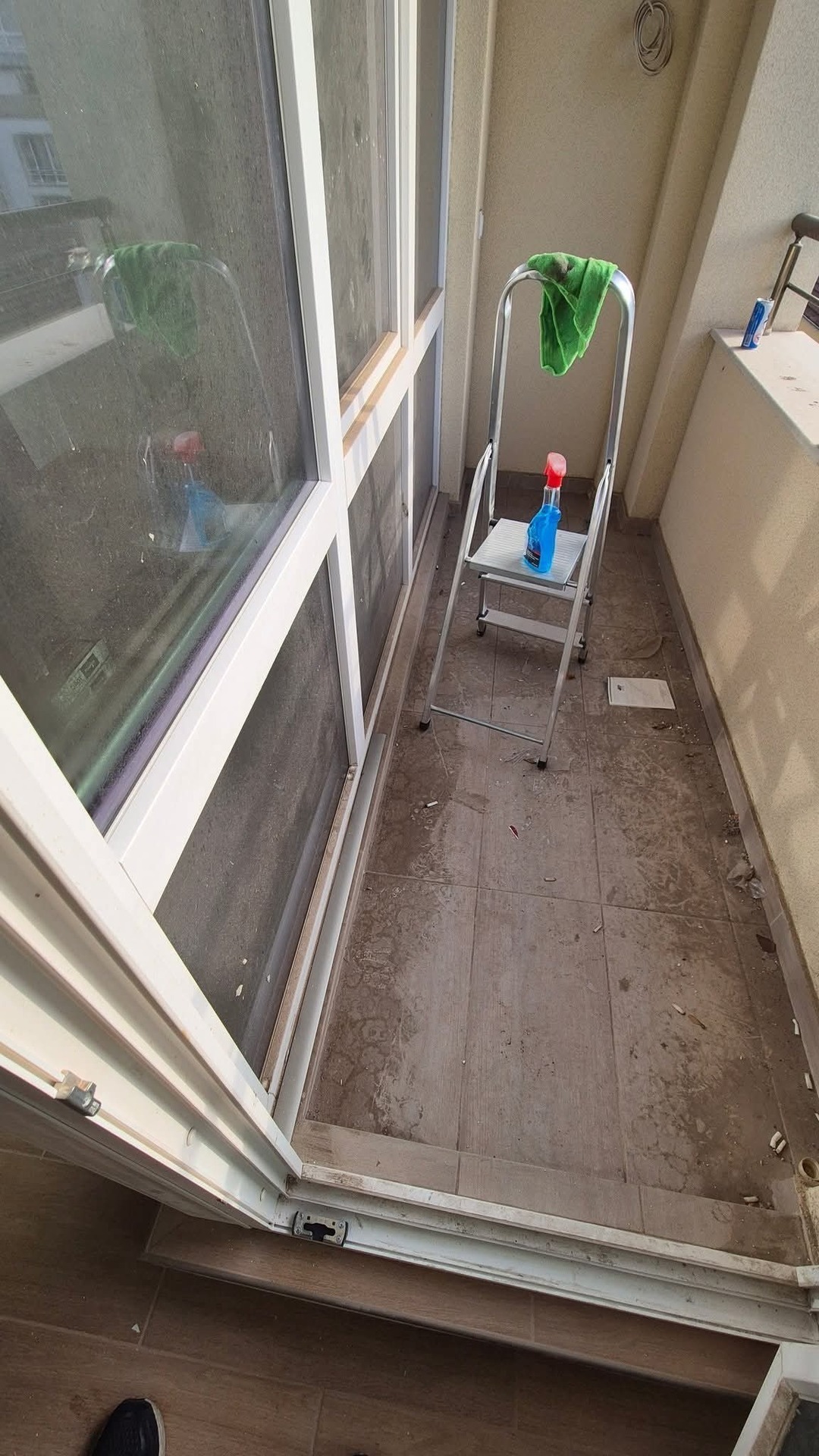
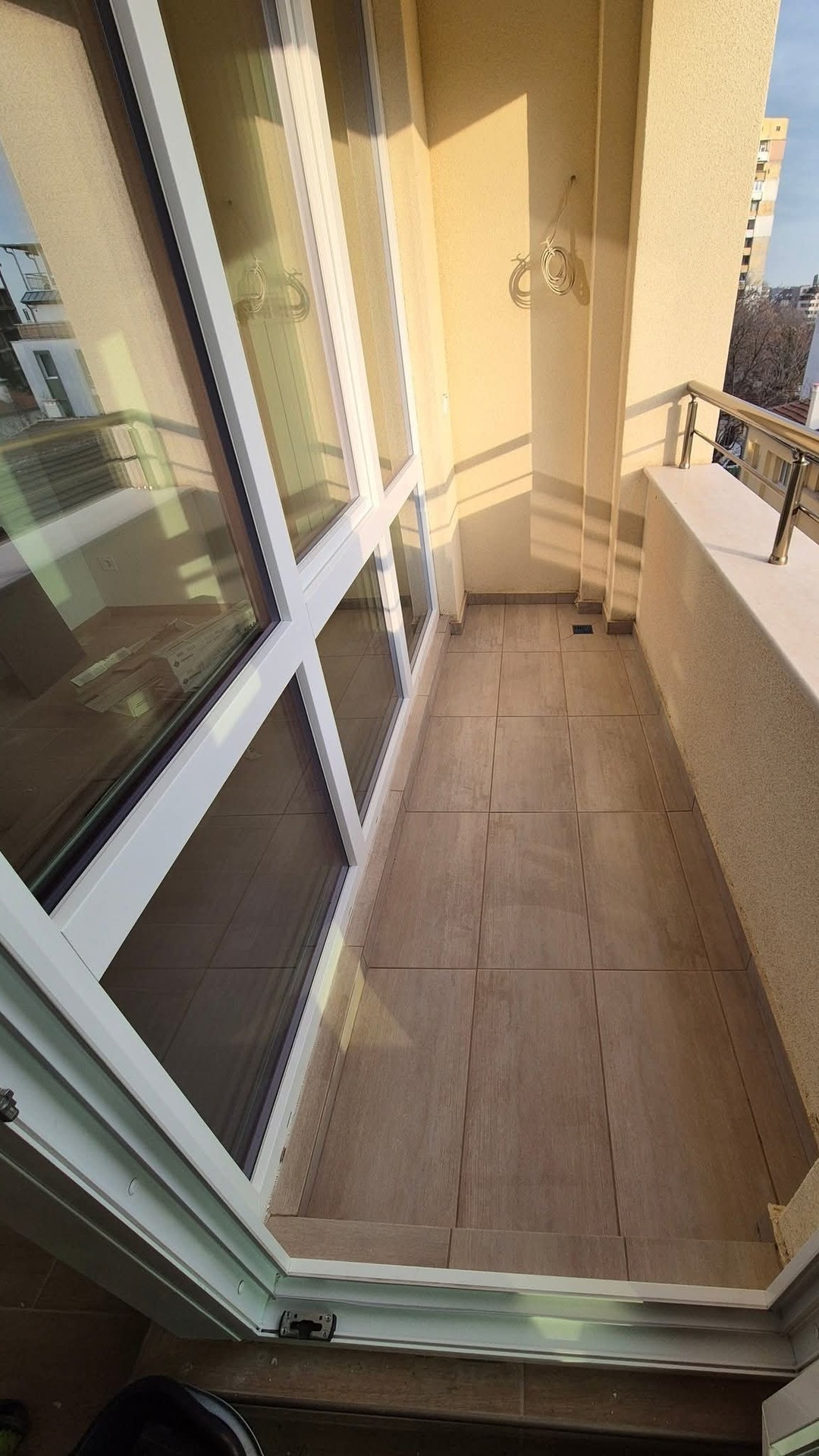
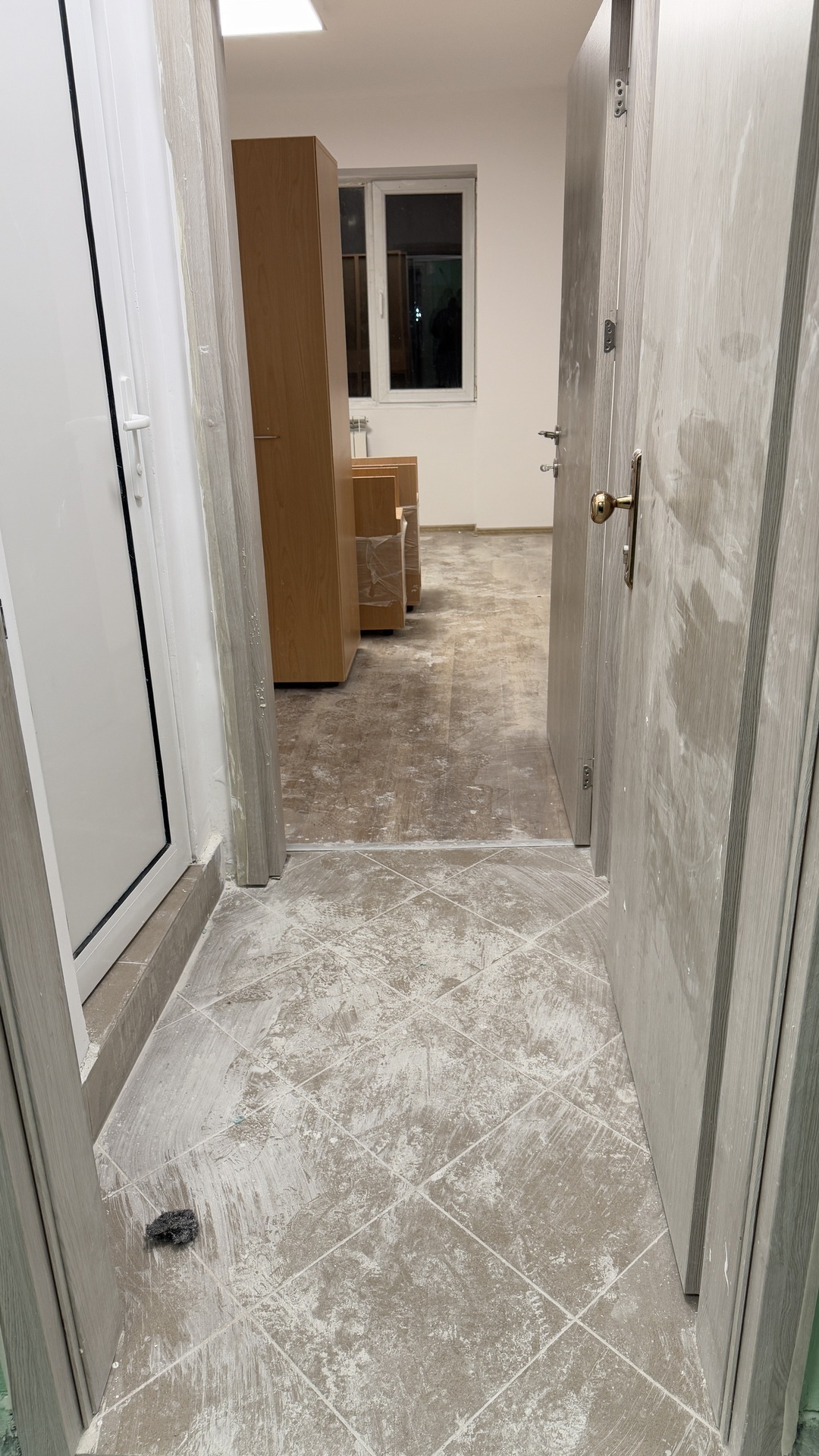
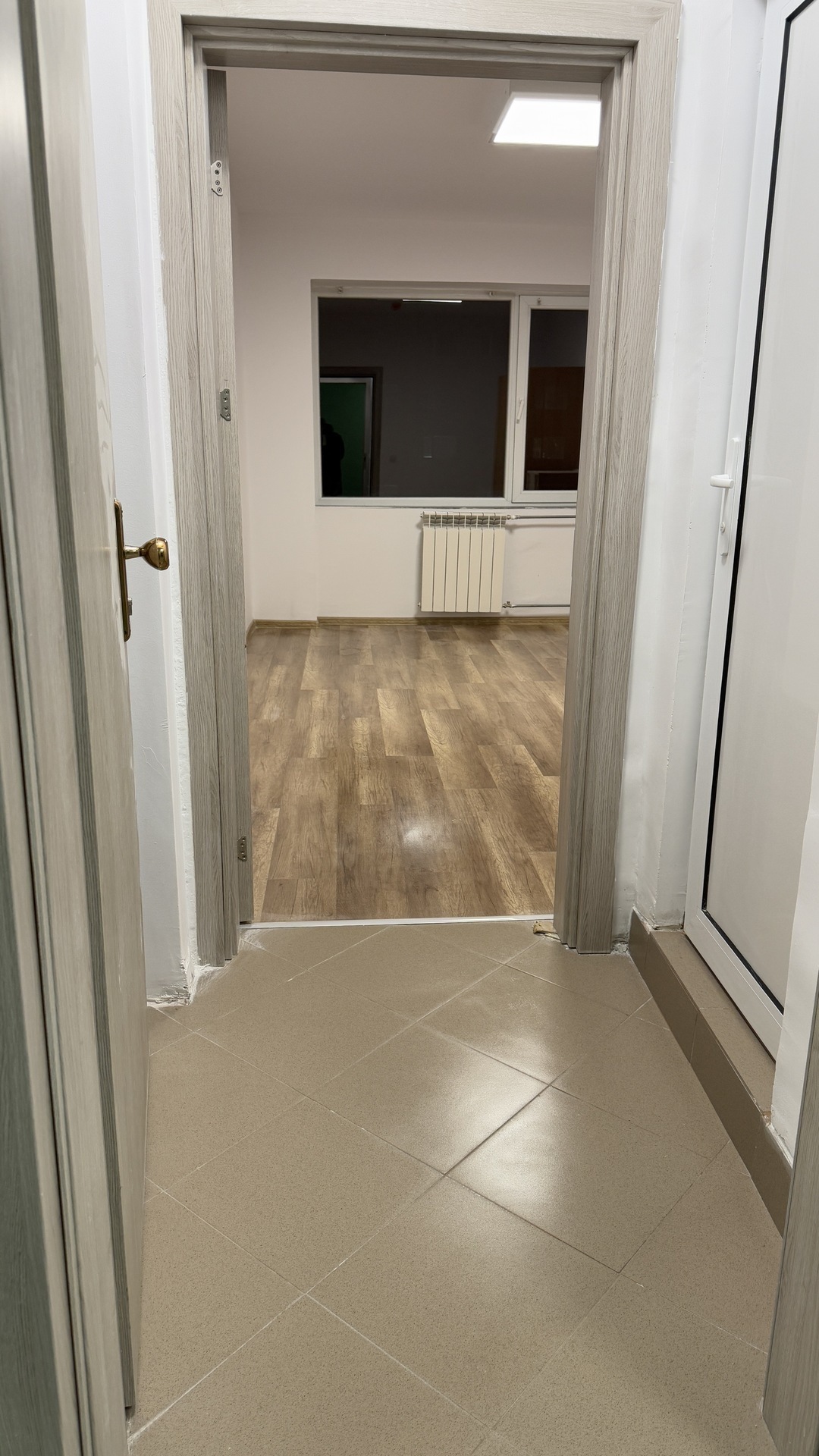


Professional cleaning in Berlin for well-kept private homes
Professional cleaning in Berlin is rarely booked as a one-off luxury visit. In many homes it is about a reliable rhythm: once a week for the kitchen, bathroom and floors, every two weeks for smaller households, or as a focused visit after renovation work, moving, a tradesperson appointment, a period of illness or heavy entertaining. The broader category of professional cleaning therefore covers more than vacuuming and mopping; it can include detailed bathroom care, kitchen degreasing, windows, upholstery, oven, fridge and awkward corners.
The practical setup is strongly shaped by Berlin housing: according to the Berlin-Brandenburg statistics office, at the end of 2025 there were 2,069,432 dwellings in Berlin, 87.3% of them in multi-family buildings. For cleaning, that often means compact rooms, shared entrances, narrow lifts, quiet hours and a need to plan equipment carefully. A good visit starts with the right amount of time, not just a room count.
How a cleaning visit runs: rooms, surfaces and time slots
A standard appointment starts with a short walkthrough: which rooms are included, which surfaces are delicate, where the cleaning products, vacuum and bucket are kept, and which areas should be left untouched. The work then usually moves from dry to wet and from high to low, so crumbs, hair and residue do not land on surfaces that have already been wiped.
- Setup and dry work Loose items are moved aside, shelves and ledges are dusted, upholstery is vacuumed and floors are cleared of hair, grit and street dirt.
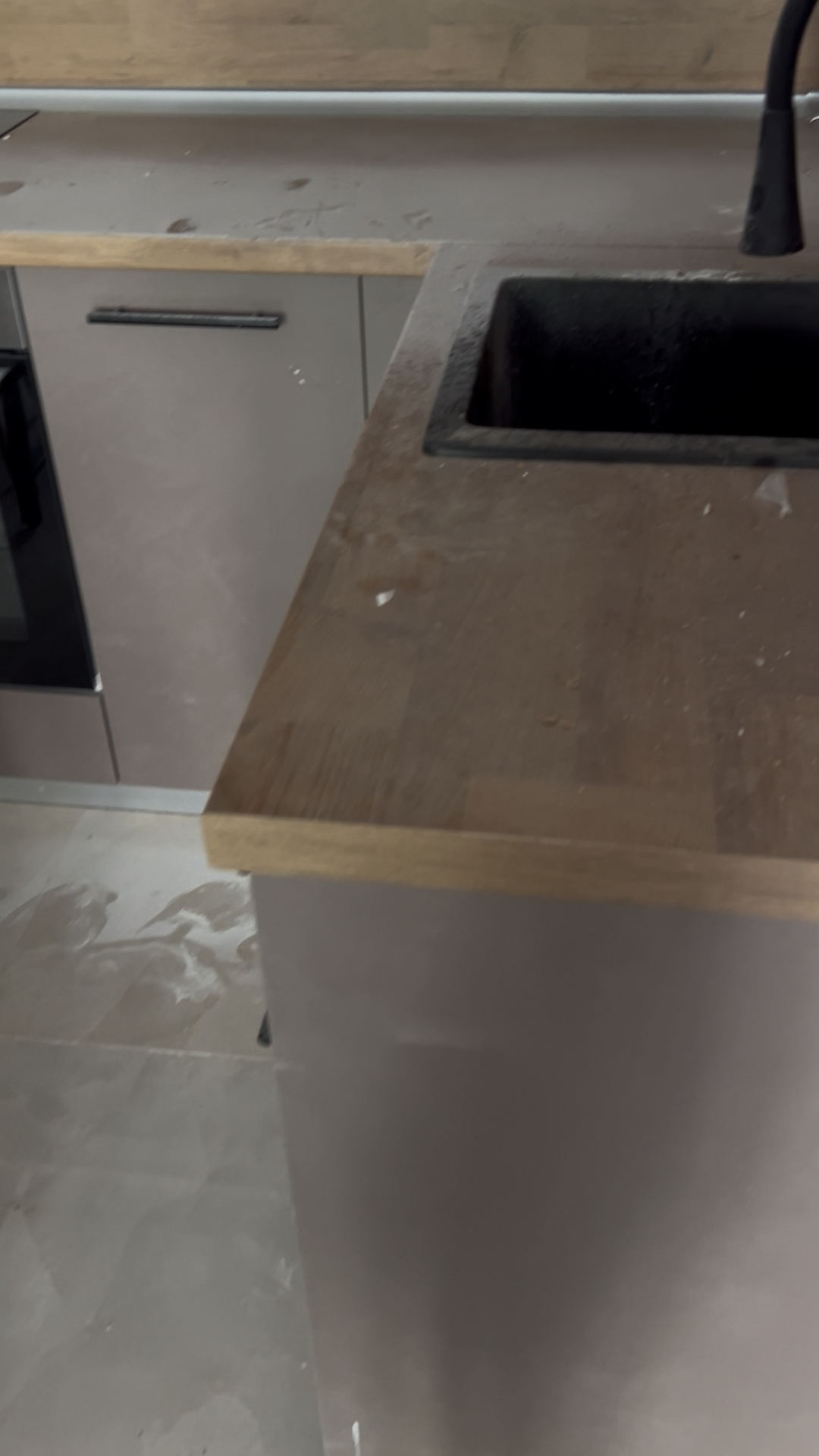
- Kitchen and bathroom Worktops, taps, sinks, shower, bath, toilet, hob area and splashbacks are treated with suitable products; heavy limescale or grease needs extra dwell time.
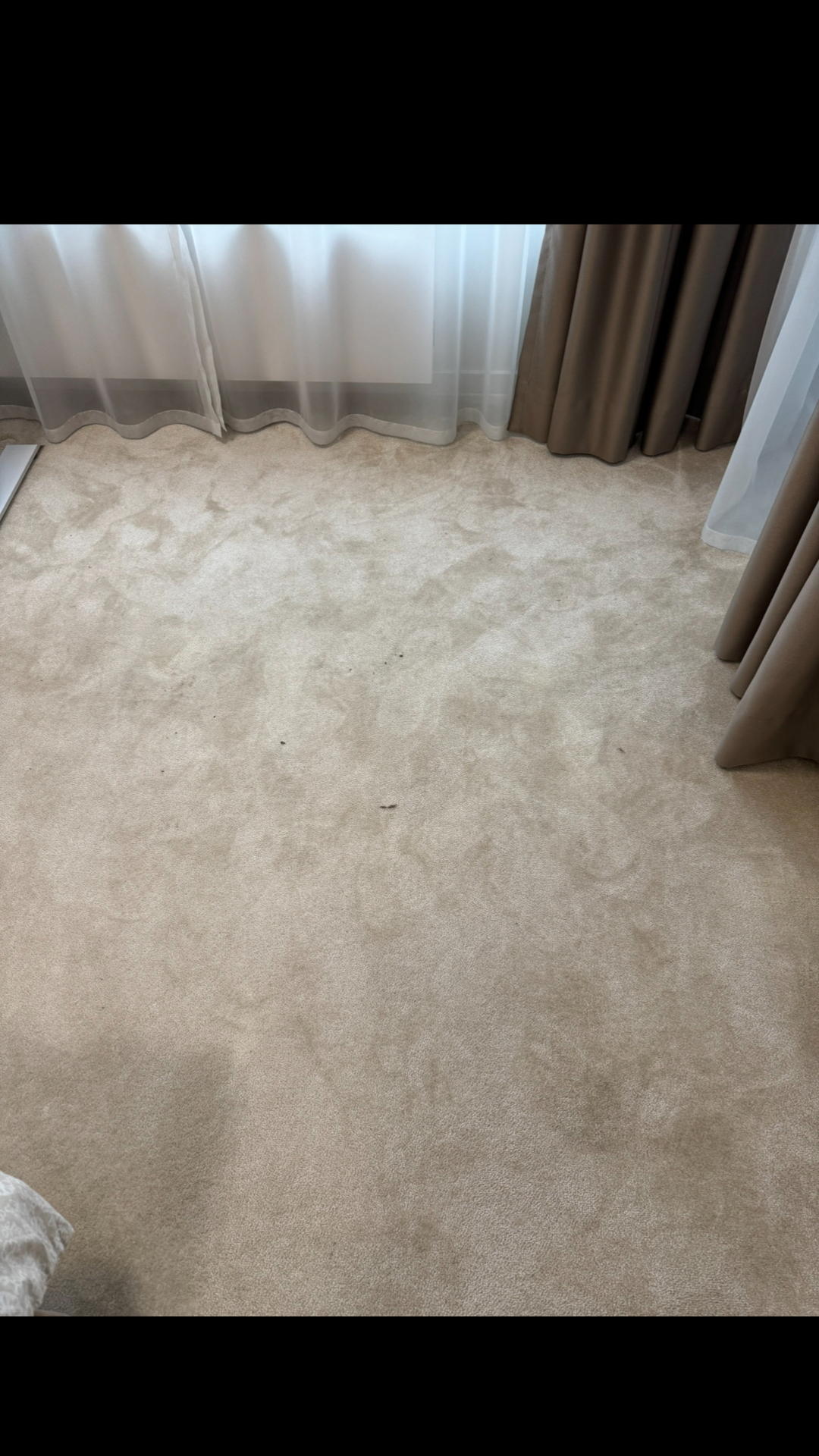
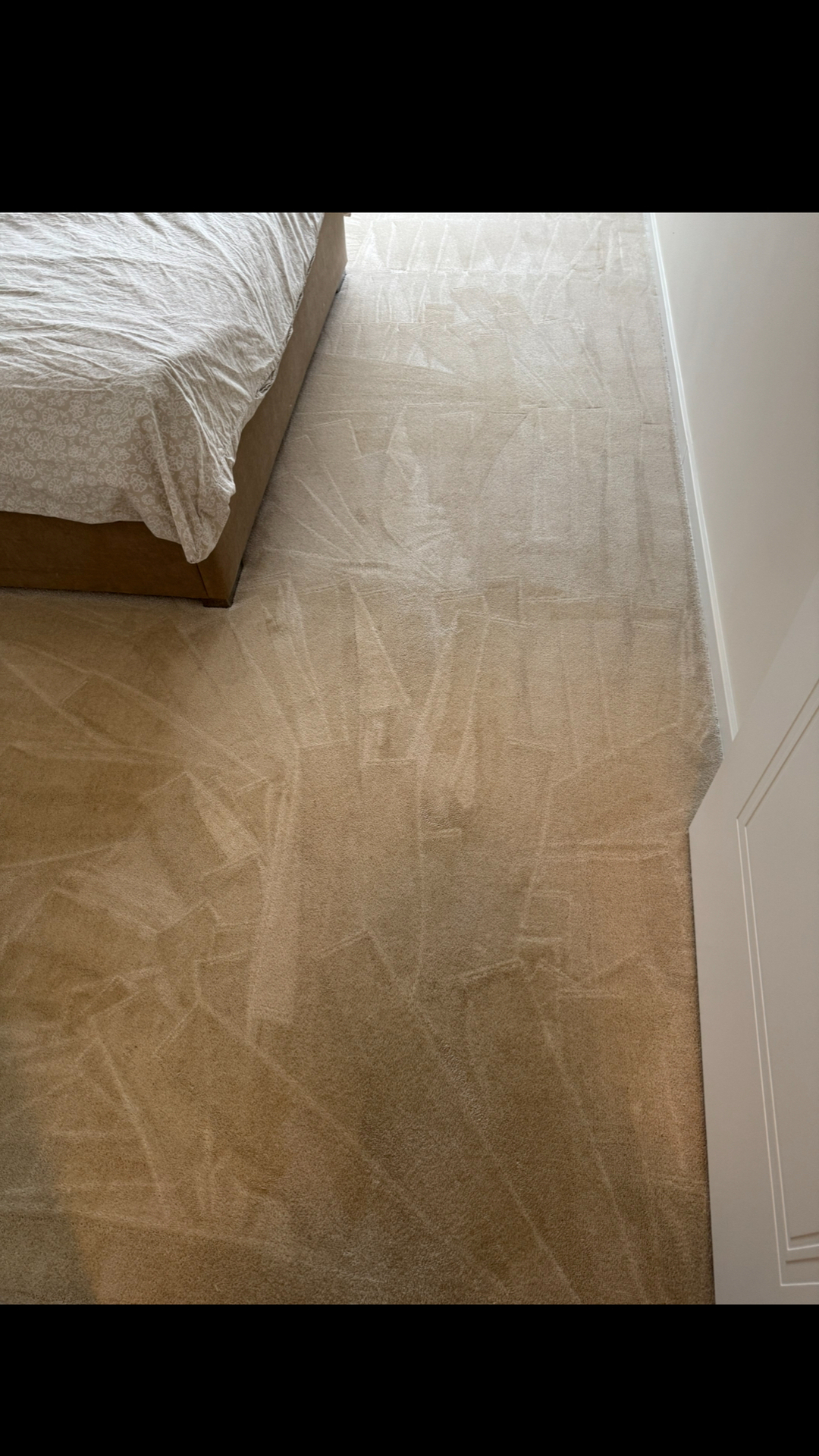
- Floors and final check Hard floors are mopped, rugs are vacuumed, bin liners are changed by agreement and visible marks on doors, switches and cabinet fronts are removed.
As a guide, 45 to 55 square metres usually takes 2.5 to 3.5 hours with one cleaner. For 70 to 85 square metres, 4 to 5 hours is more realistic; for deep work, many glass surfaces or heavily used bathrooms, a two-person team is often more efficient. A thorough clean after building work or before handover can take 6 to 8 hours or more.
Dusting, vacuuming and mopping in older and newer homes
Berlin homes in older buildings call for different movements than newer layouts. High ceilings, decorative edges, gaps between floorboards, radiator niches and wide window sills collect fine particles in places that a quick visible tidy can miss. The Environmental Atlas notes that the age classes of residential buildings can be traced back to the early 19th century; in cleaning terms, that means checking materials before wet mopping, using mild products on natural stone and wood, and choosing soft cloths for painted doors.
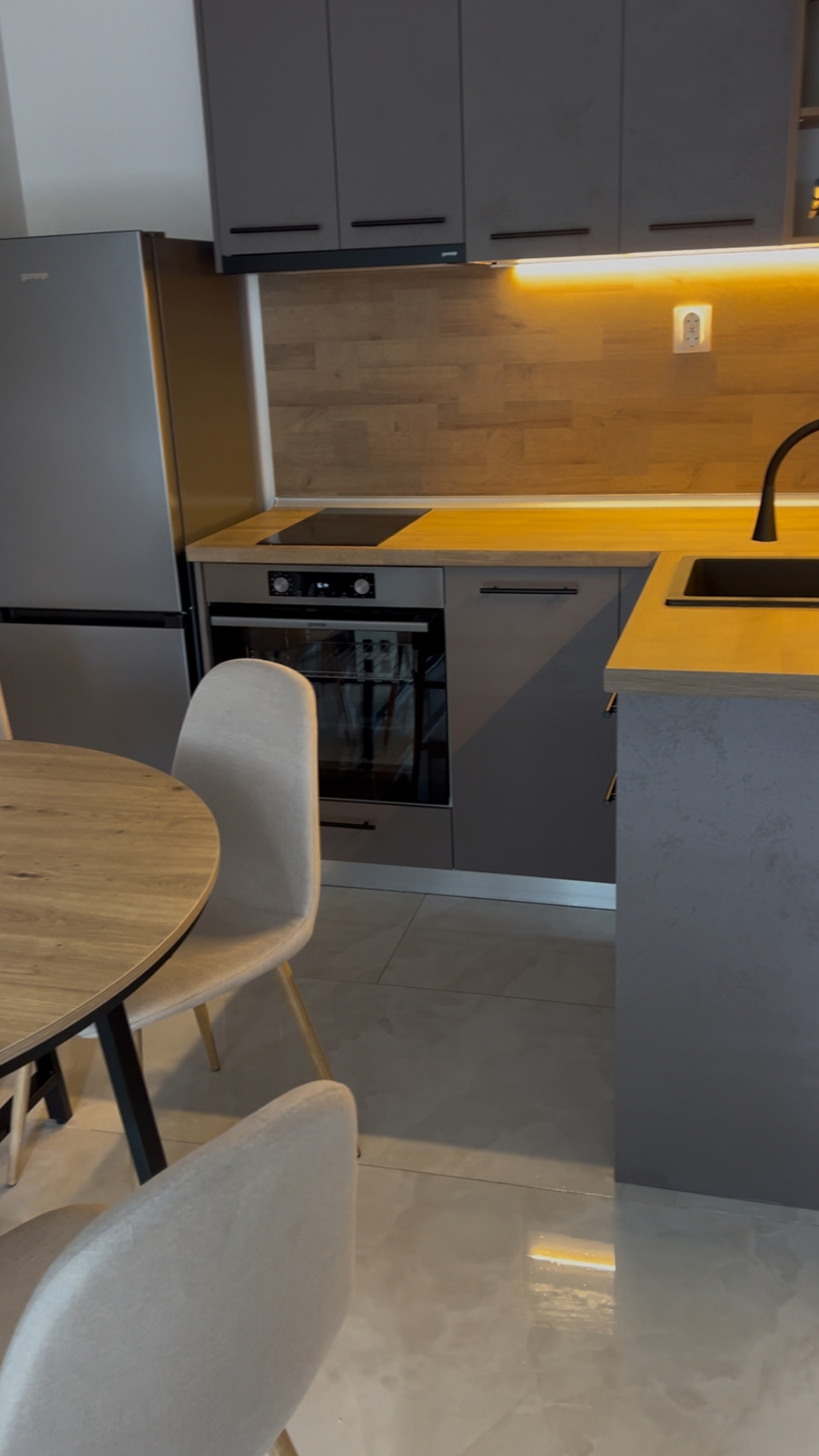
In newer homes, the focus is more often on open kitchens, large smooth fronts, full-height windows and sensitive matte finishes. Fingerprints, cooking film and water marks show quickly. A thorough visit therefore does not use the same strength product everywhere: parquet is mopped only lightly damp, tile grout is brushed more firmly, stainless steel is polished to reduce streaks and glossy fronts are never treated with an abrasive sponge.
Descaling bathrooms, degreasing kitchens and refreshing textiles
Many Berlin households combine regular help with selected extra tasks. That keeps the weekly visit predictable while longer jobs are booked separately. These add-ons are especially common:
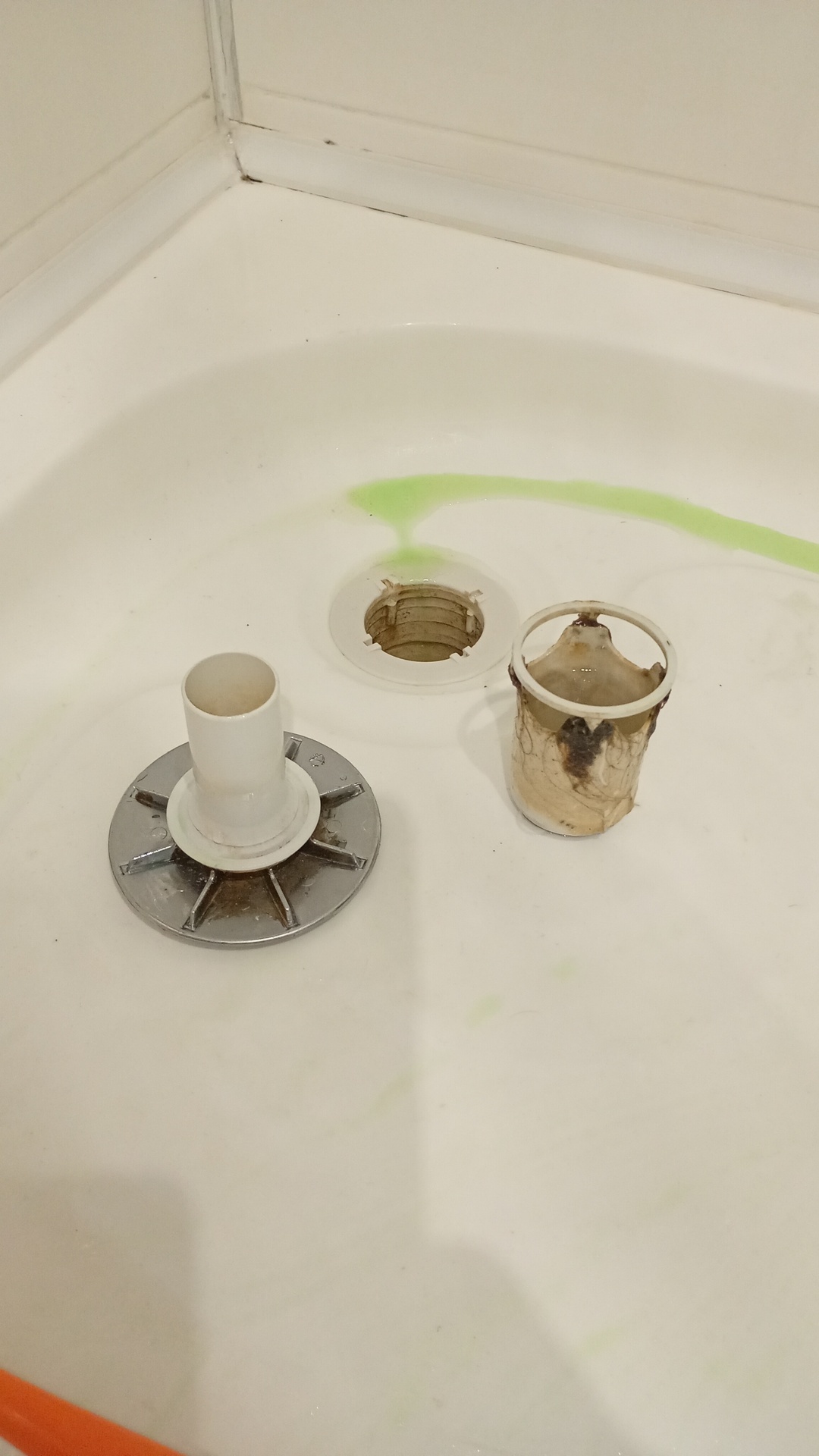
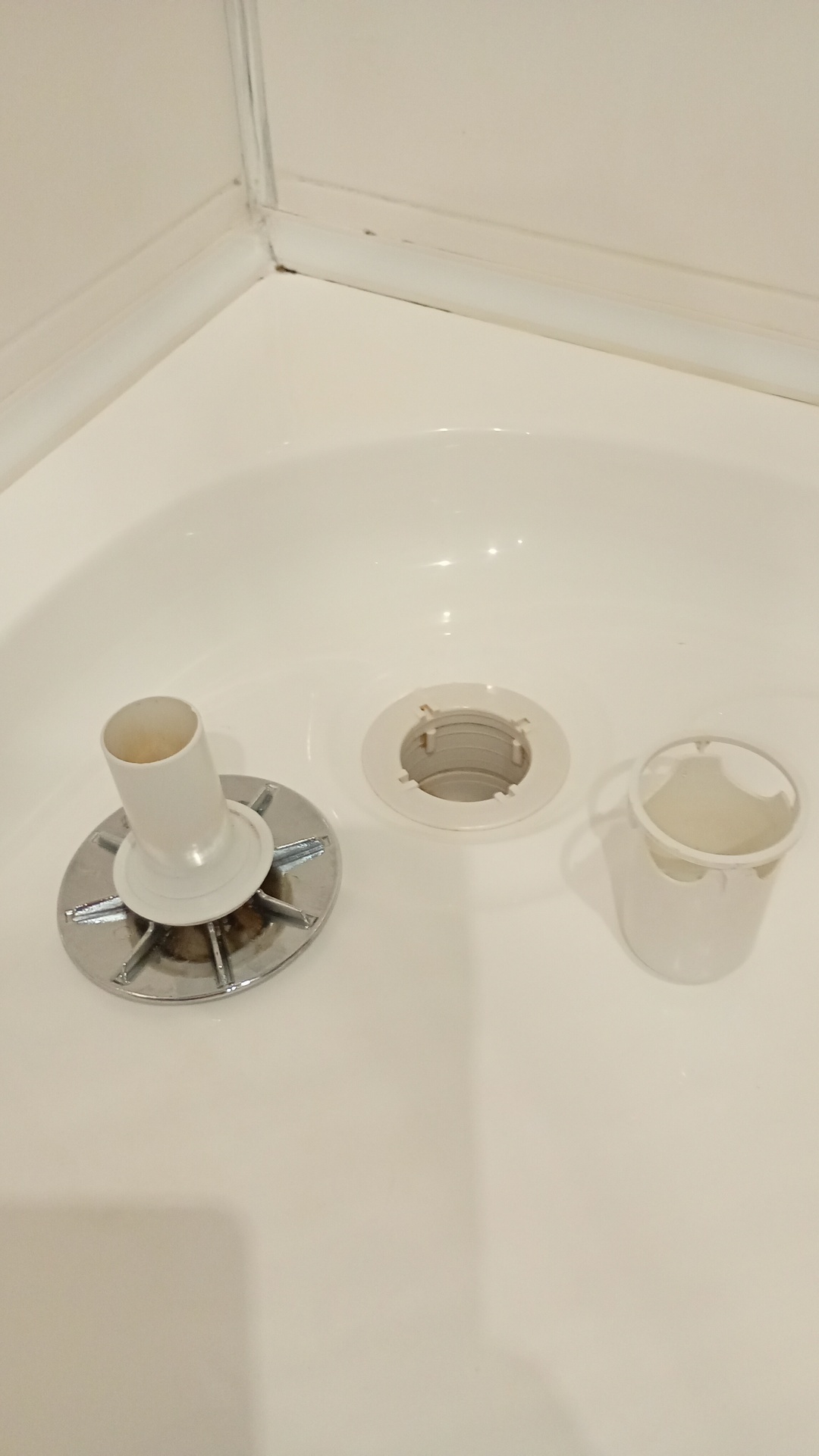
- Sanitary areasFor showers, taps, grout, toilets and basins, bathroom cleaning can be a useful extra when limescale, soap residue and moisture marks remain visible.
- Cooking zoneFor burnt trays, sticky racks and stained glass, oven cleaning saves time because soaking phases and gentle scraping are planned correctly.
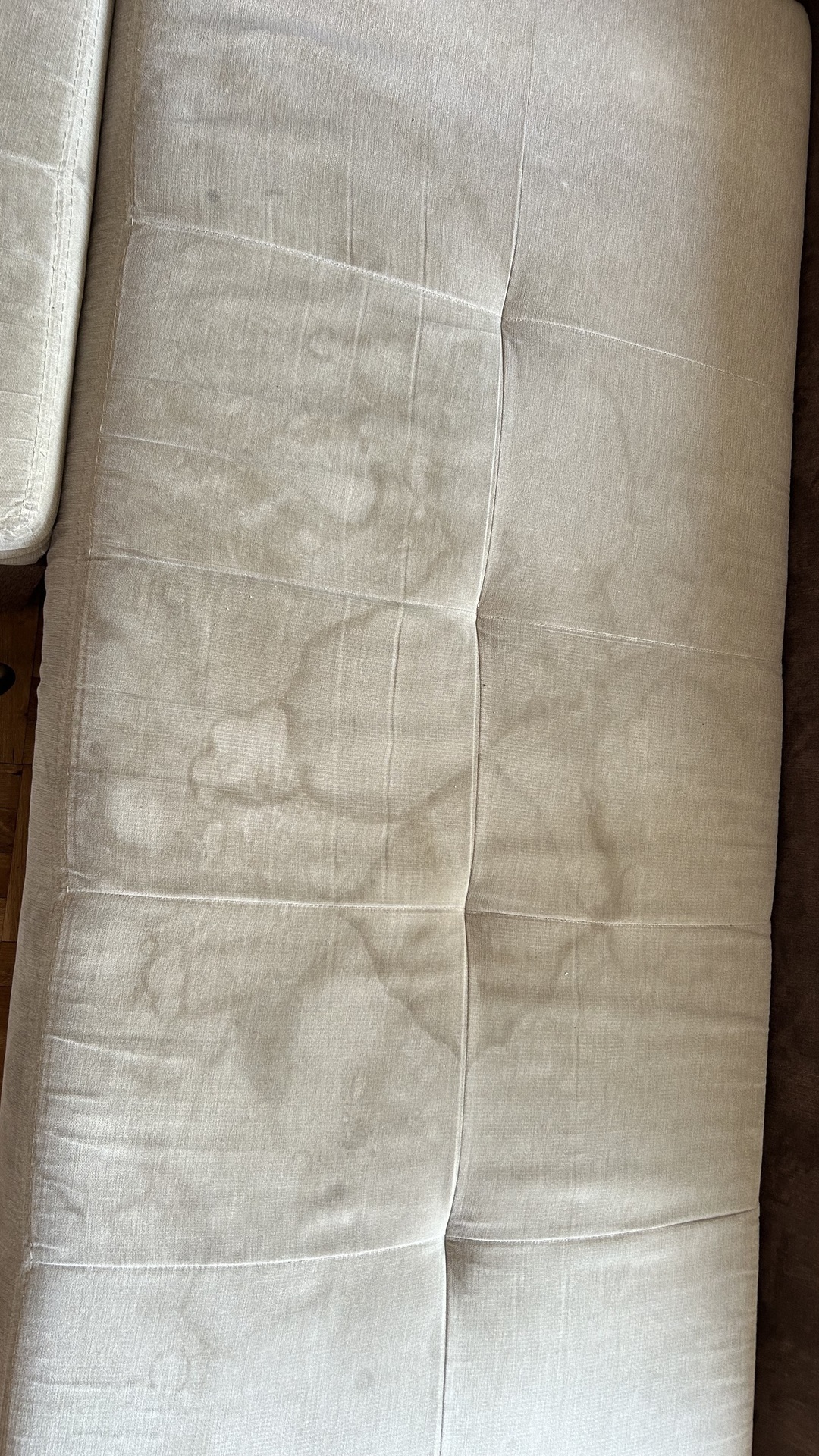
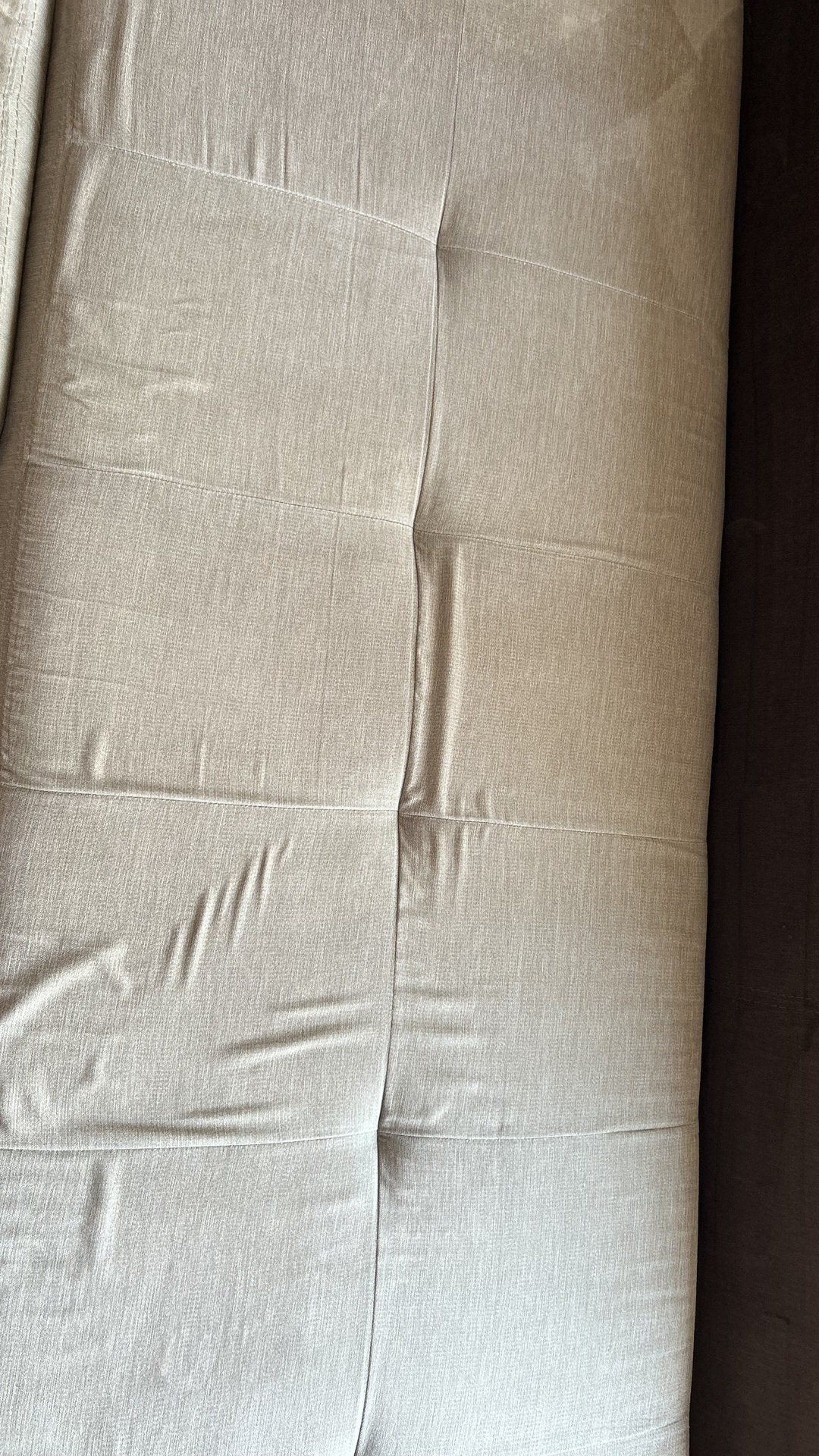
- Home textilesSofas, armchairs and rugs collect pollen, skin flakes and crumbs; upholstery cleaning supports normal floor care when fabric needs to feel fresher.
For every add-on, the condition on site matters. Light marks can often fit into a normal visit; heavy build-up needs its own time slot, the right chemistry and sometimes a repeat treatment.
Window cleaning and seasonal airing without streaks
Windows, frames and sills show very clearly when a Berlin home has been aired, heated or used for frequent cooking. In spring and summer, pollen and street grime settle on glass, grooves and handles; Berlin.de states that the pollen season in Berlin can run from January to September. After airing, a quick spray is not always enough: frames and grooves are dry-cleaned first, then the glass is washed, squeegeed and dried at the edges.
In winter, the focus shifts to condensation, areas near radiators and dust on window boards. Homes with many plants on the sill, kitchen windows facing the street or tall older casements should allow more time. Exterior panes are cleaned only when they can be reached safely; climbing work, facade areas and unsecured heights are not part of normal domestic cleaning.
Preparing before the cleaner arrives and clear service limits
The appointment runs best when worktops are not completely covered, sensitive documents are put away, pets are secured and it is clear which products may be used. A short note about marble, oiled wood, natural stone, delicate fittings or newly sealed surfaces prevents the wrong treatment. If the cleaner is expected to use household equipment, vacuum bags, mop heads and bin liners should be available.
The service is focused on private indoor living spaces. It does not include pest control, mould remediation, hazardous waste, heavy furniture moving, exterior facades, repairs or work without safe footing. When booking, the most useful details are square metres, number of bathrooms, pets, requested extras and a photo of any heavily soiled area; that makes it possible to set a realistic time slot rather than one that is too short.
 WORK
WORK