
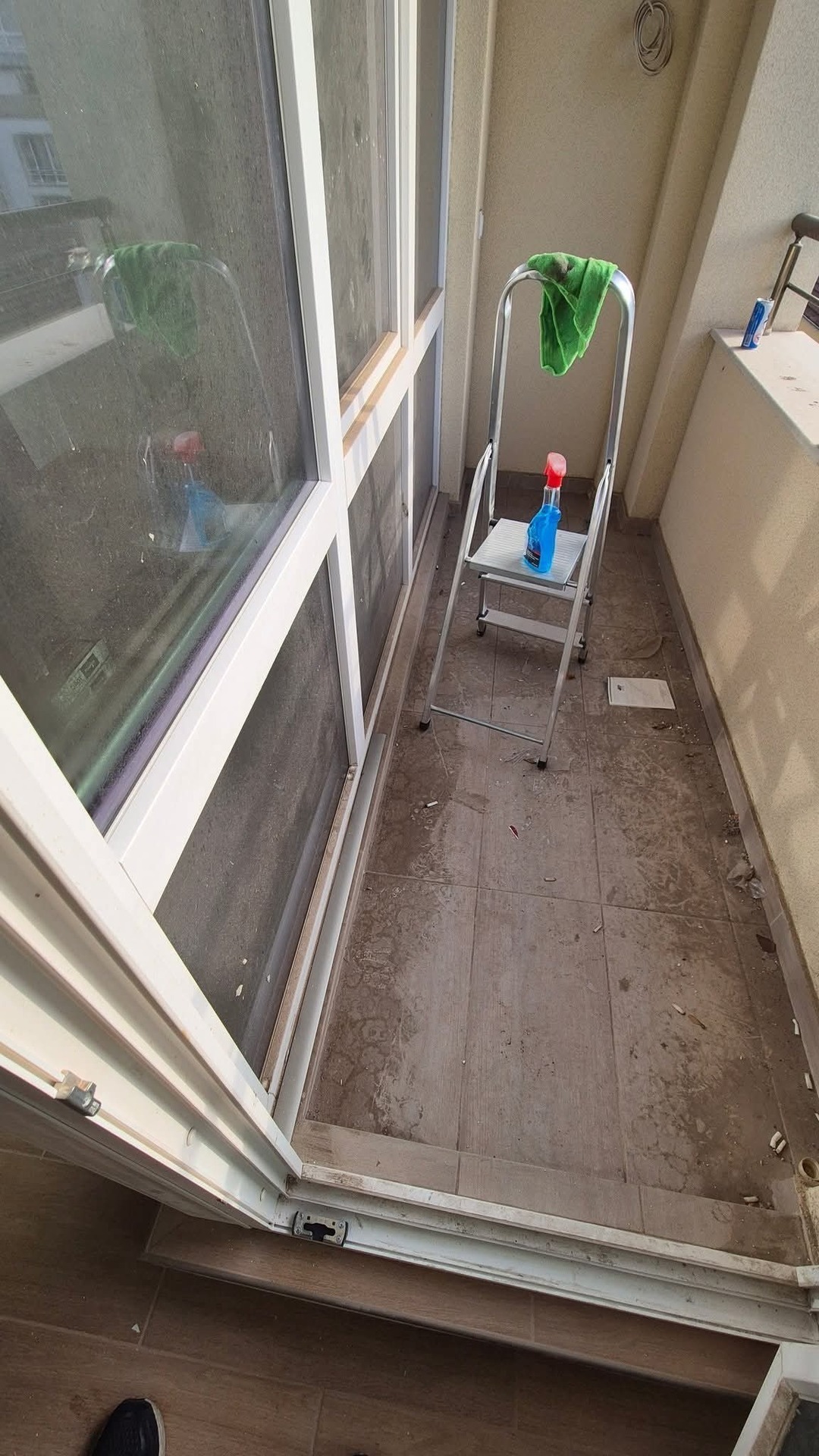
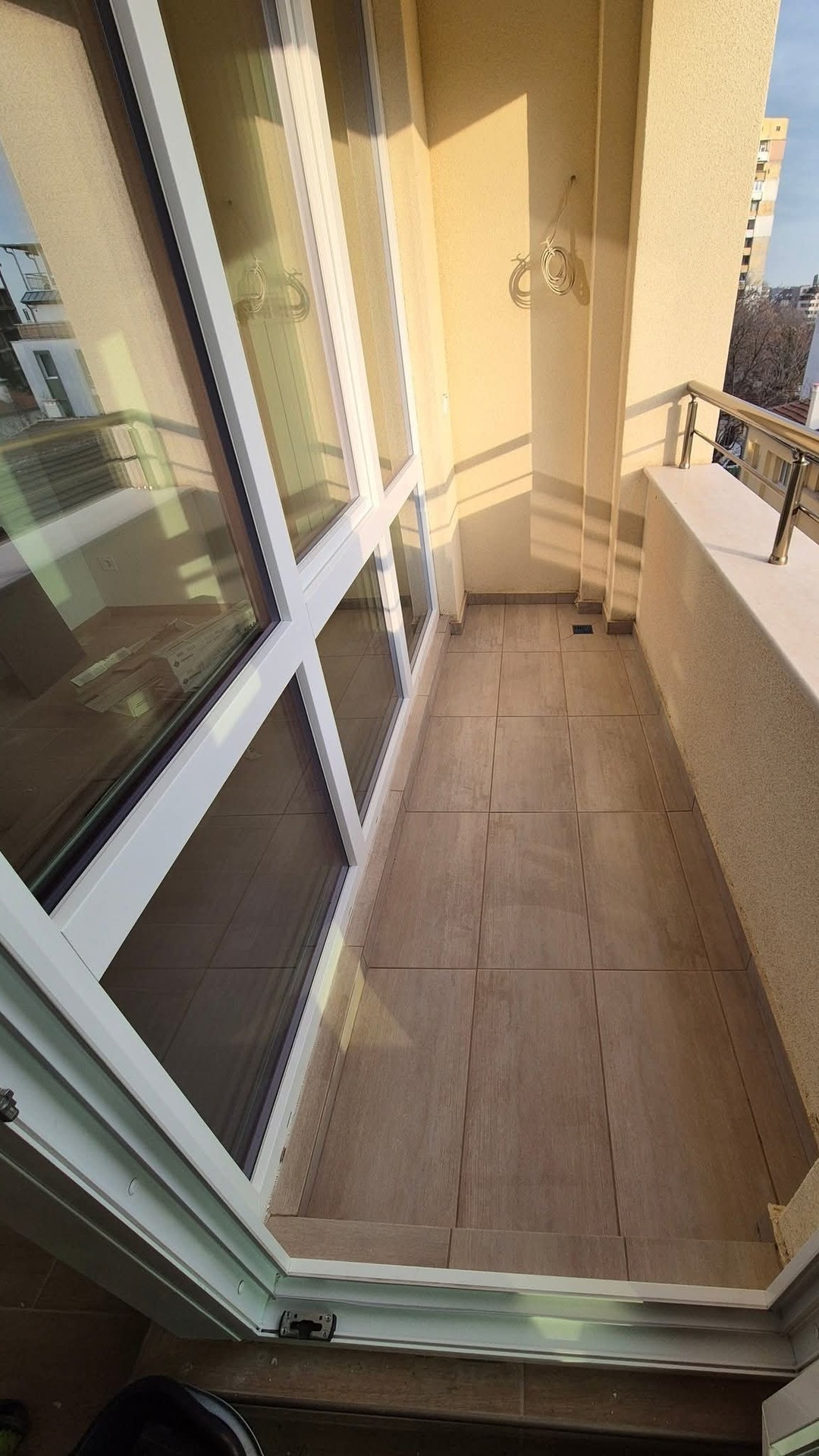
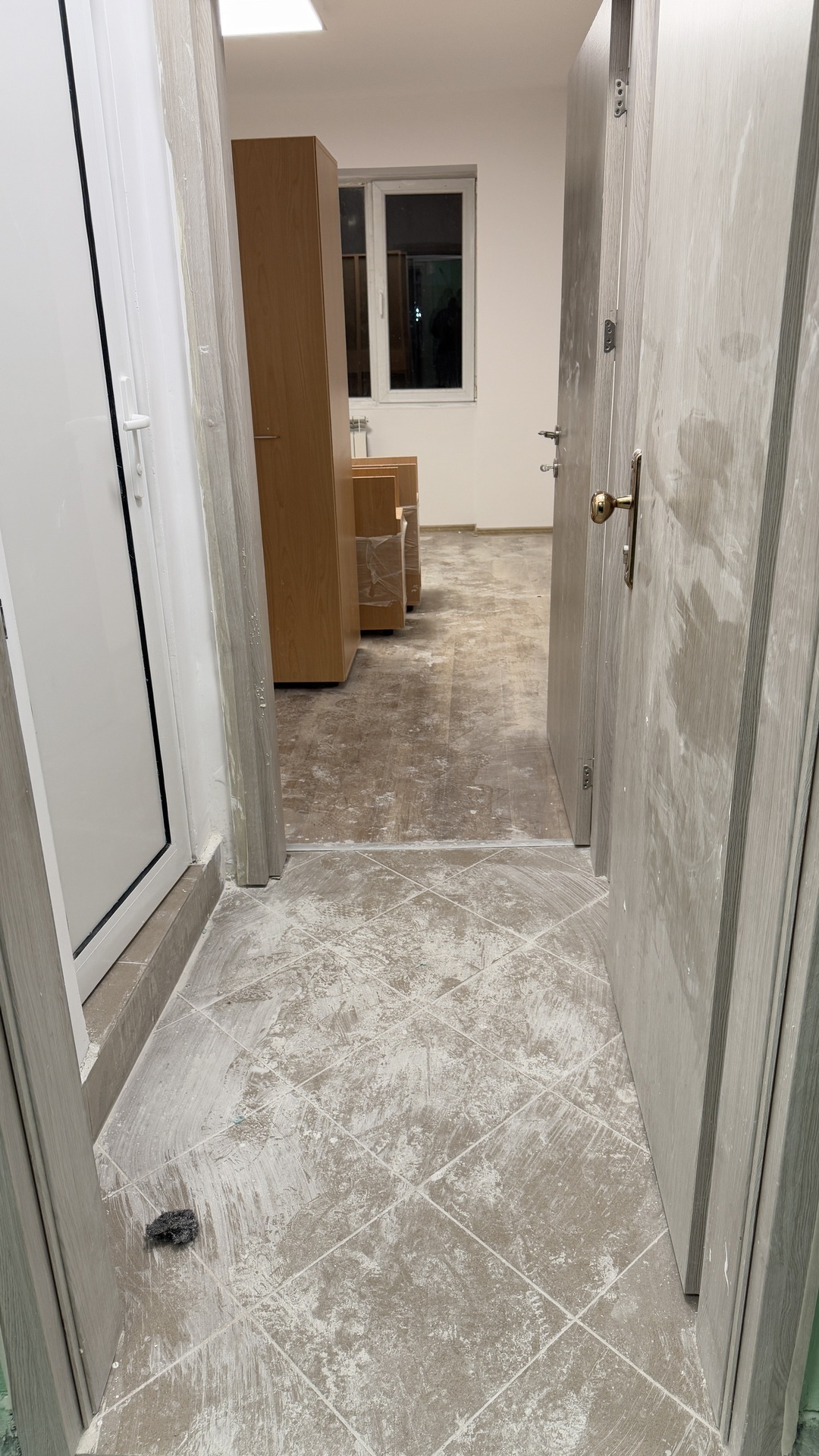
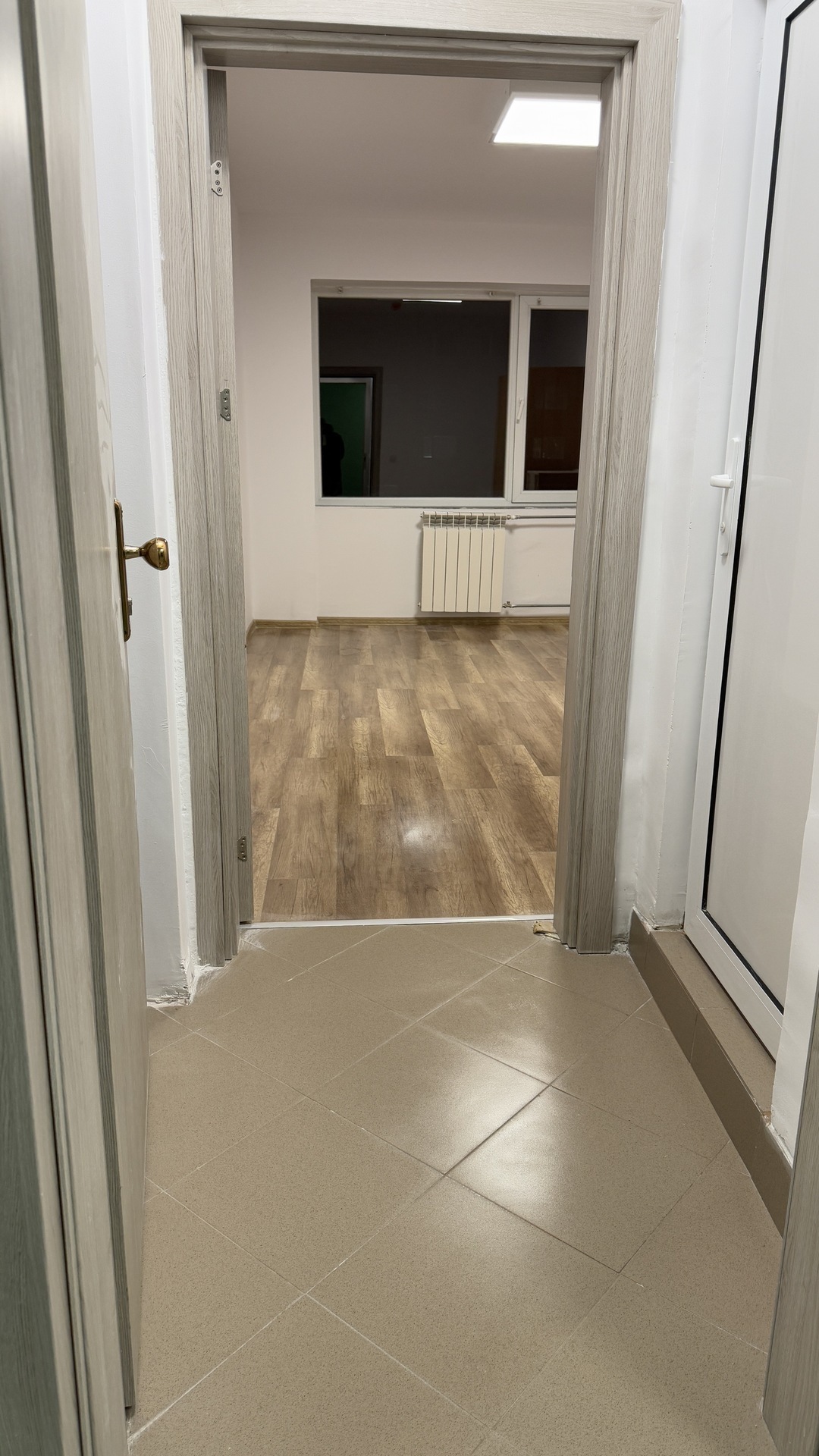


Frankfurt homes need cleaning that fits the Main, the traffic and compact living
Frankfurt is dense, international and fast-moving. At the end of 2025, 781,337 people had their main residence registered in the city; many households live in rented apartments, and daily commuting brings extra grit into private hallways, kitchens and bathrooms. For residential cleaning, that means appointments often need to work within short time windows while still covering bathrooms, kitchens, sofas, windows, ovens and floors properly.
The climate matters too. German Weather Service data for Frankfurt shows average daily highs of 24.2 °C in July and 23.9 °C in August, while June, July and August each bring roughly 63 to 70 mm of rain. Warmth, dust, pollen and thundery showers leave marks on window frames, balcony floors, textiles and bathroom grout. Flexible professional cleaning is useful when routine upkeep, add-on tasks and seasonal bigger cleans need to be combined.
- Humid summersAfter showers, sills and silicone joints dry more slowly, so limescale, dust and pollen settle faster.
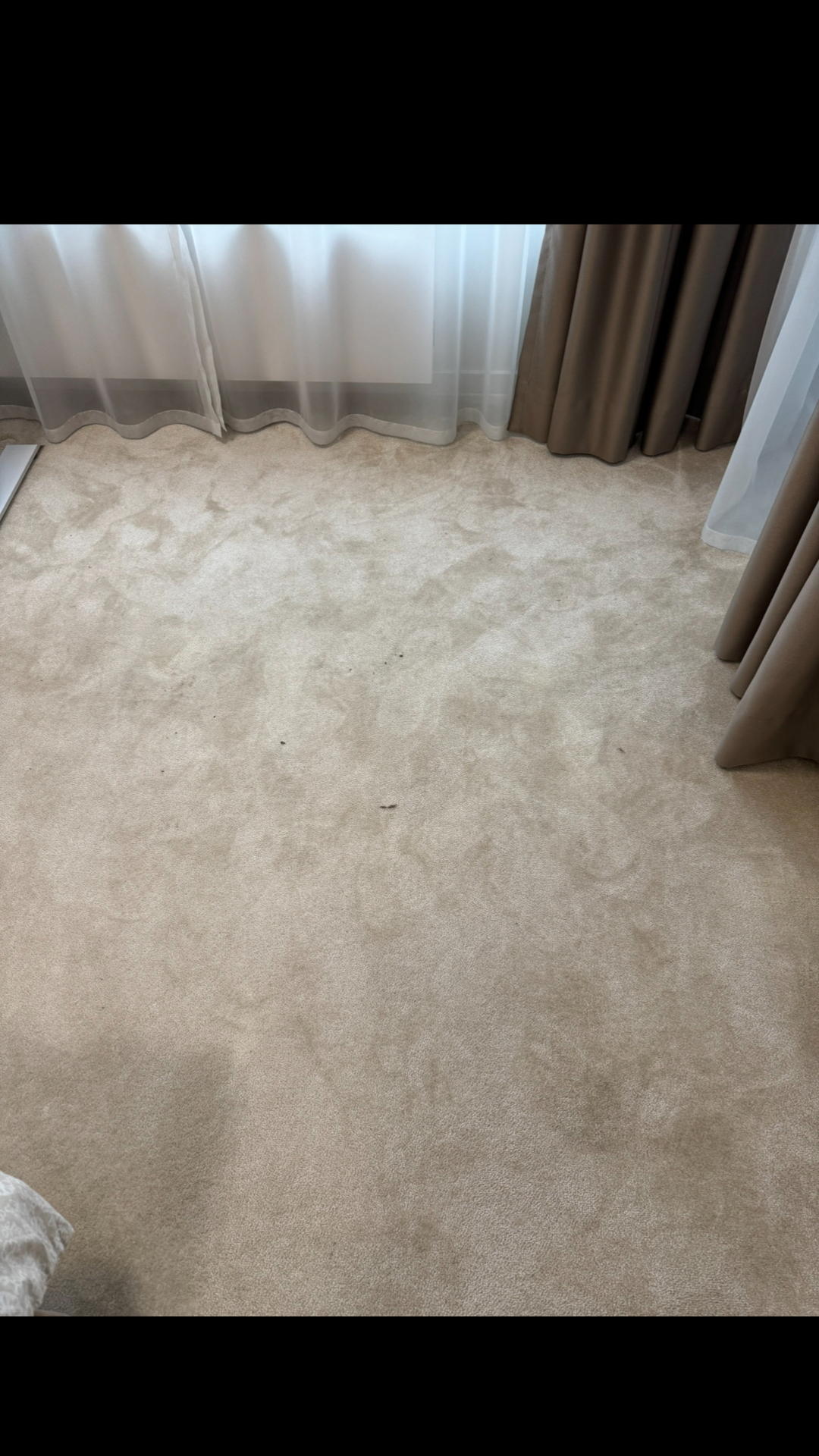
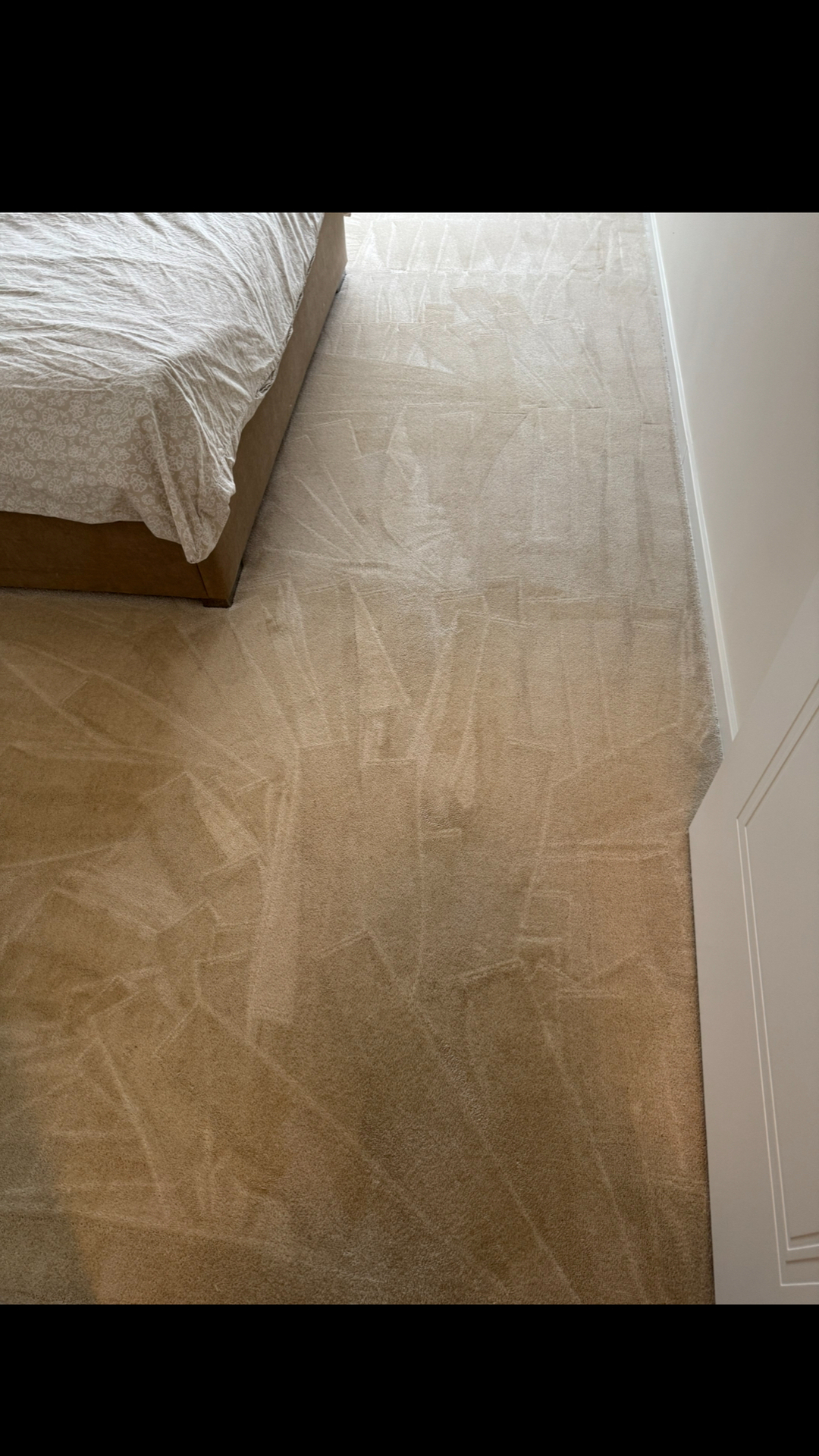
- Busy roadsHomes near Mainzer Landstraße, Hanauer Landstraße or Friedberger Landstraße often see a greyer film on glass, frames and floors.
- Compact layoutsIn smaller apartments, cooking vapour, pet hair and everyday dust move quickly between kitchen, living area and bedroom.
Altbau, post-war apartment or new-build tower: the district changes the job
Nordend, Bornheim, Sachsenhausen and the Westend still have many older apartments with high ceilings, wooden floors, decorative edges and large windows. These homes need more attention around skirting boards, radiator recesses, window handles and delicate surfaces. In the Europaviertel, Ostend and Riedberg, newer apartments often have open kitchens, floor-to-ceiling glass and smooth fitted surfaces; fingerprints, limescale and kitchen grease show up quickly there.
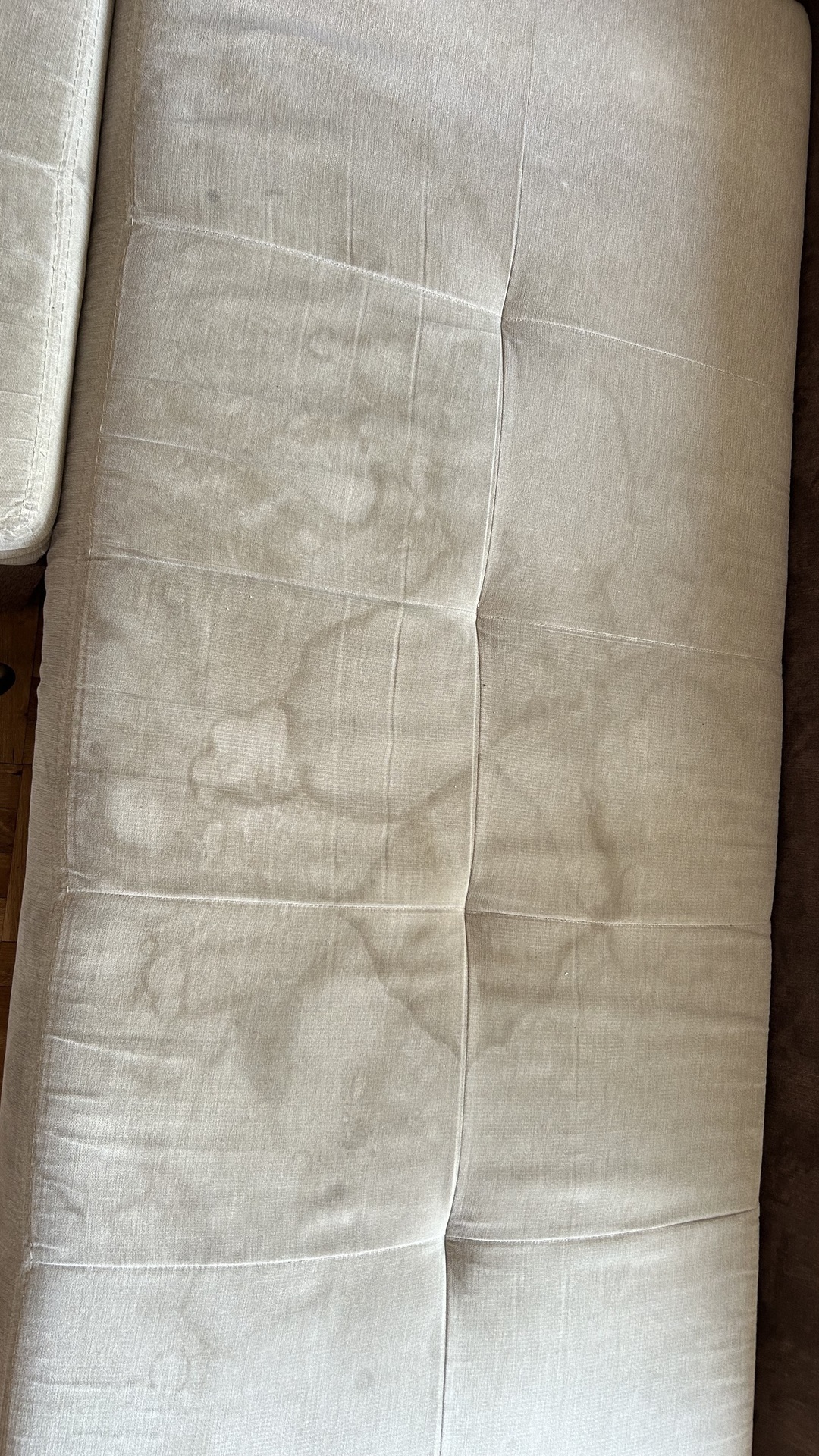
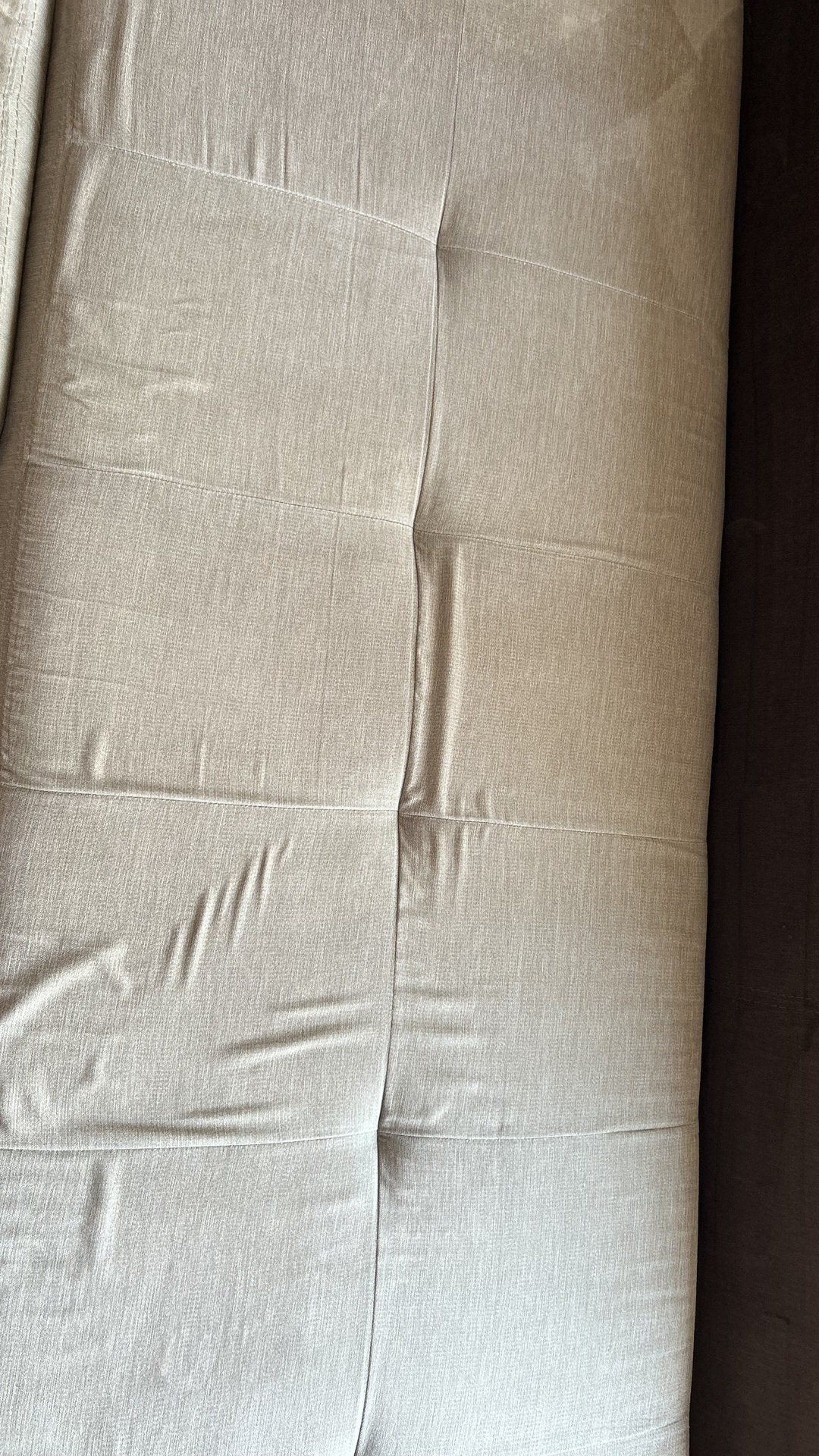
Frankfurt’s new apartments are fairly compact: city statistics report that apartments completed in 2023 averaged 2.5 rooms and 68.7 square metres. In practice, regular cleaning can keep smaller homes stable with short, efficient visits, while deep cleaning is more suitable when areas behind sofas, beds, kitchen plinths or washing machines have not been reached for a while.
- Check older apartments Dust gathers on mouldings, door frames, radiators and high cupboards, so extra time is useful.
- Keep new-builds light Smooth fronts, glass and open kitchens work best with regular intervals rather than rare all-day cleans.
- Plan houses differently In Bergen-Enkheim, Nieder-Erlenbach or Schwanheim, gardens, terraces and pets bring more soil, leaves and pollen indoors.
Seasonal peaks: fairs, semester starts, moving dates and pollen
Frankfurt has few quiet stretches. In spring, windows, mattresses, upholstery and balconies need attention after the heating season and pollen. Summer adds barbecues, open windows and quick storms. In autumn, moves, flat-share changes and handovers rise, especially around the start of university terms: Goethe University lists the winter semester 2026/27 teaching period as 12 October 2026 to 12 February 2027.
The travel and trade-fair calendar also affects residential demand. Frankfurt recorded a tourism high in 2024 with 11,139,063 overnight stays and 6,387,089 guests; around large events, some homes are used more intensively, host households clean more often, and families prepare for visitors before holidays or fair weeks. For rental handovers, move out cleaning fits the situation, while occupied homes usually add specific tasks such as bathroom, kitchen, floors, upholstery, oven or windows.
Air, pollen and glass: why Frankfurt windows turn grey quickly
The city has improved its air values, but households on busy streets still notice the realities of urban living. The City of Frankfurt states that no nitrogen dioxide limit exceedances have occurred since 2020; at Friedberger Landstraße, the 2025 annual mean was 27.1 µg NO₂ per cubic metre. For apartments, this is not only an outdoor-air topic; it also affects window frames, curtains, carpets and upholstery near frequently opened windows.
Large windows and balcony doors are especially noticeable dust collectors in Westend, Innenstadt, Gallus, Ostend and Sachsenhausen. In high-rises, wind pressure, rain edges and pollen deposits add to the workload; in ground-floor homes, splash marks, bicycles, pushchairs and outdoor shoes are more common. Combining windows, bathrooms and textiles in one visit reduces movement through the home and tackles the grey film on glass, tiles and fabrics at the same time.
The household matters as much as the floor area
Frankfurt is young, professionally mobile and international. At the end of 2025, 58.3 percent of Frankfurt residents had an international background, and 32.1 percent held foreign citizenship. That creates very different home routines: weekend commuters in Bockenheim, families in Preungesheim, students in Ginnheim, expats in the Westend, older owner-occupiers in Sachsenhausen and garden households in the north.
Floor area is only part of the plan. The “Living in Frankfurt 2024” survey found that households had a median of 75 square metres of living space; per person, the median was 37 square metres. A one-person household with home working creates different cleaning needs from a family with two children, and a dog in a ground-floor flat differs from an apartment on the 18th floor. A practical booking is therefore planned by zones: kitchen, bathroom, sleeping area, living area, windows, upholstery, oven and optional points such as fridge or mattress. Appointments can be booked as a one-off visit or as a repeating schedule.
 WORK
WORK