


Home cleaning that fits everyday life in Düsseldorf
Düsseldorf is compact, densely lived-in, and noticeably different from one district to the next. As of 31 December 2025, the city reported 659,312 residents; for many homes, that means limited storage, heavy daily use, and short cleaning windows between work, commuting, childcare, and visitors.
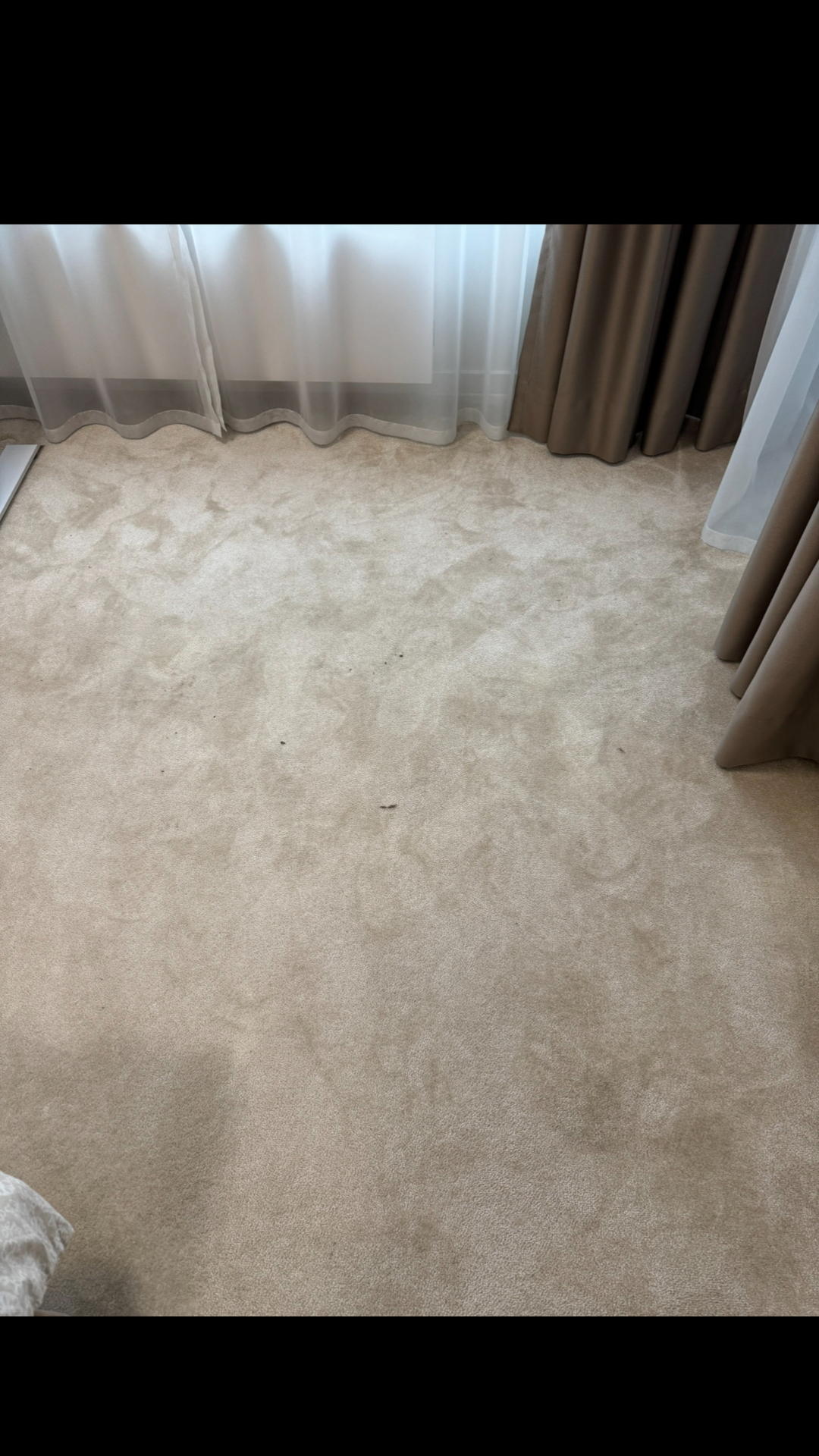
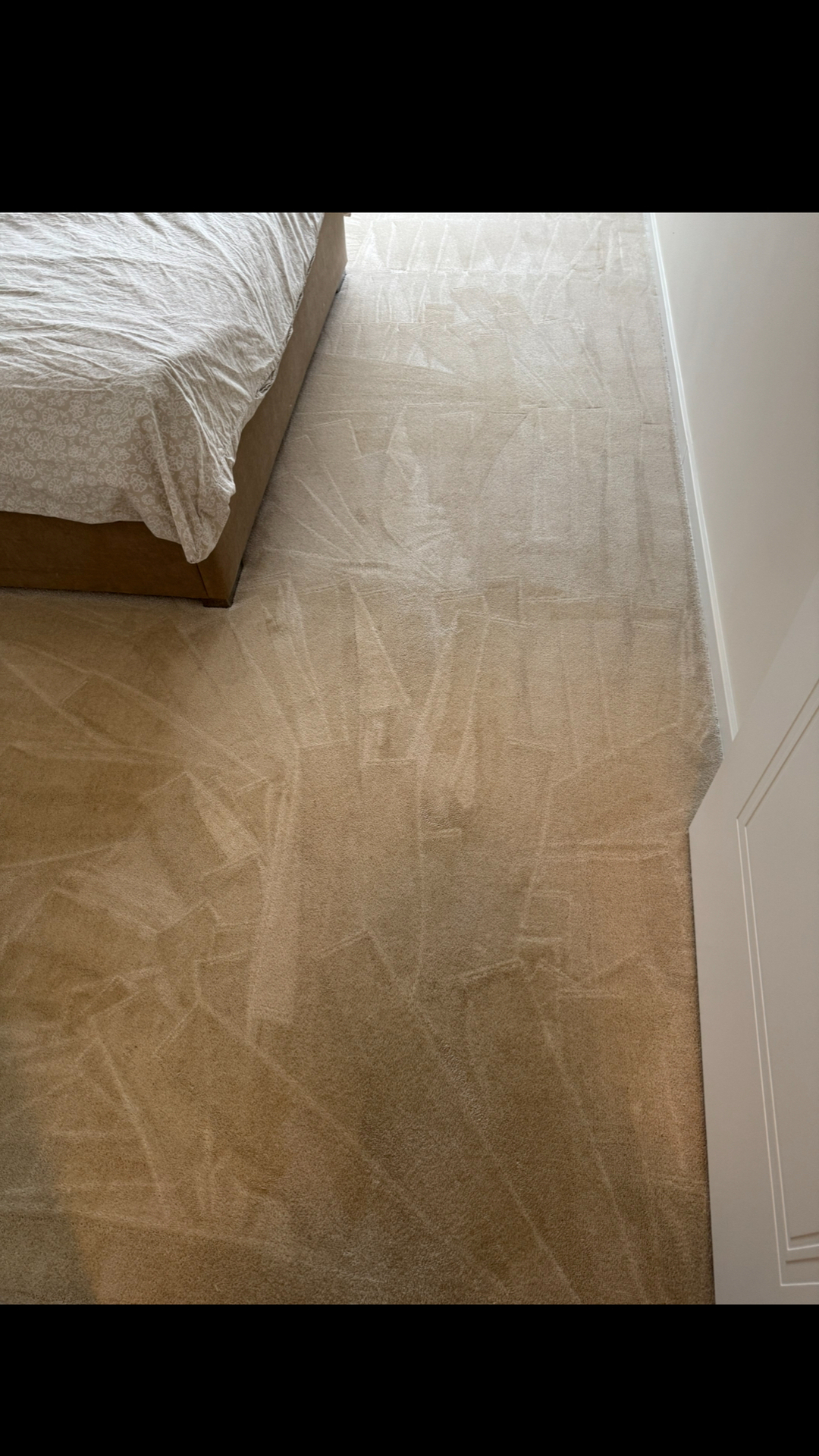
The housing stock explains why cleaning is often planned differently here than in smaller towns. According to IT.NRW, Düsseldorf had 57.4 dwellings per 100 residents at the end of 2024. Many homes are therefore in apartment buildings, often with compact kitchens, narrow bathrooms, street-facing balconies, and floors that show dirt quickly from shoes, bikes in the hallway, and pets.
For private households, one rigid cleaning pattern rarely fits. In Friedrichstadt or Bilk, a well-timed regular cleaning visit often covers the kitchen, bathroom, and floors. In larger houses in Wittlaer, Angermund, or Benrath, extra areas such as guest rooms, conservatories, internal stairs, or multiple bathrooms add more time.
Rhine weather, pollen, and traffic dust reach the home quickly
Düsseldorf’s climate is mild, damp, and shaped by the Rhine. The German Weather Service maintains local climate data for temperature, precipitation, and sunshine duration; in household terms, that means more moisture around window frames, more streaks on glass after rain, and a more frequent film of dirt on sills.
Even though air quality has improved, inner-city location still matters. The city reports that PM10 exceedance frequency has complied with limits for years, while traffic-heavy areas such as Corneliusstraße and Dorotheenstraße were earlier focal points in Düsseldorf air-quality measures. In homes near busy roads, this often appears as a grey film on pale surfaces, radiators, curtains, and window rebates.
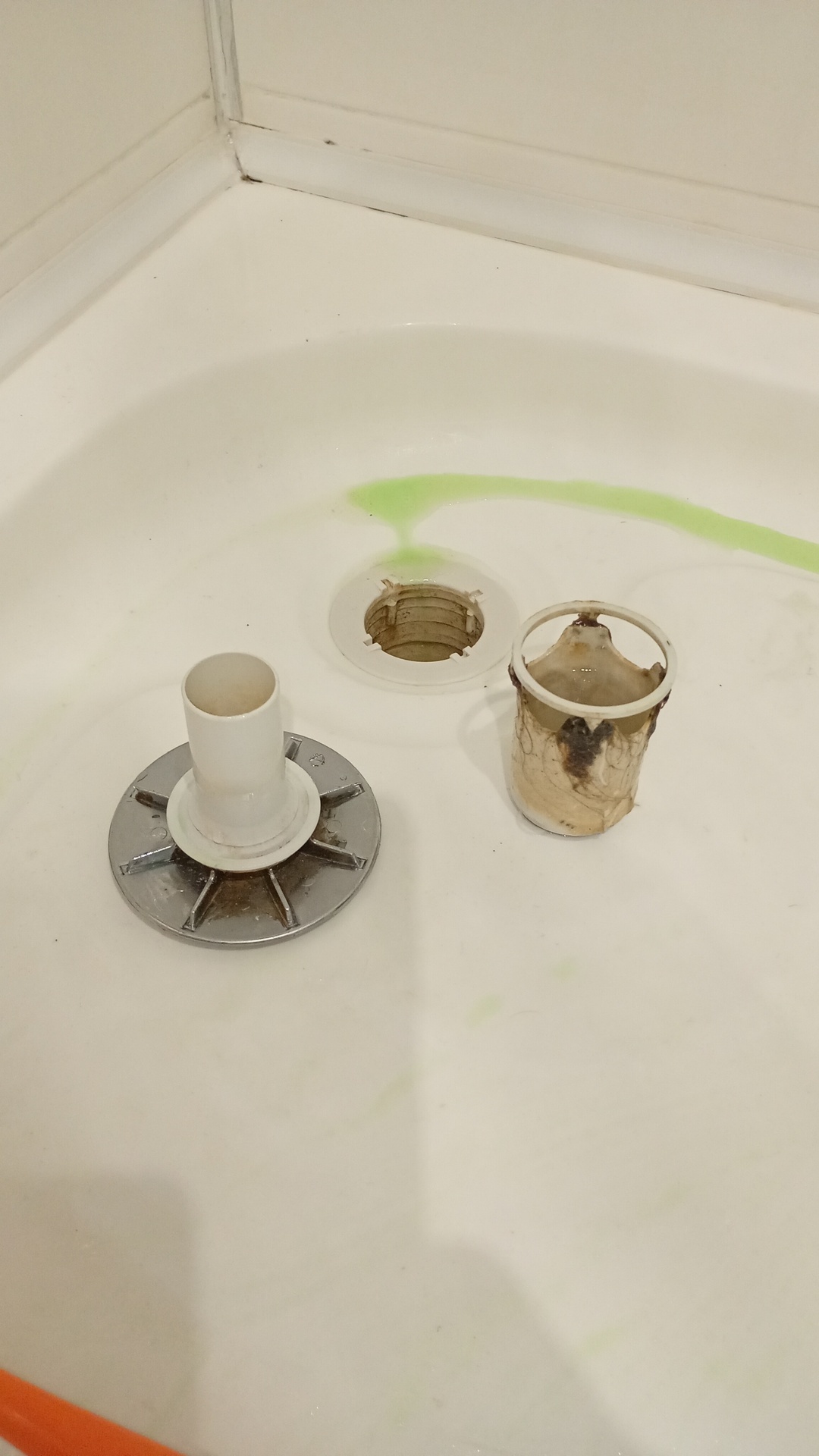
- Damp monthsBathroom grout, silicone edges, window frames, and ventilation grilles need shorter cleaning intervals, especially in bathrooms without exterior windows.
- Spring pollenIn Oberkassel, Golzheim, and along the Rhine meadows, pollen settles quickly on sills, upholstery, and smooth floors.
- Road dustHomes on main routes benefit from high-level dusting, radiator cleaning, and regular window cleaning.
Period flats, post-war apartments, and suburban houses collect dirt differently
In Pempelfort, Derendorf, Flingern, and Unterbilk, period buildings, renovated flats, and compact urban layouts shape everyday cleaning. High ceilings mean more dust on mouldings, lamps, and wardrobe tops; old floorboards need different care from modern tiles or vinyl. Small kitchens get dirty faster because cooking steam, the fridge, sink, and worktop sit close together.
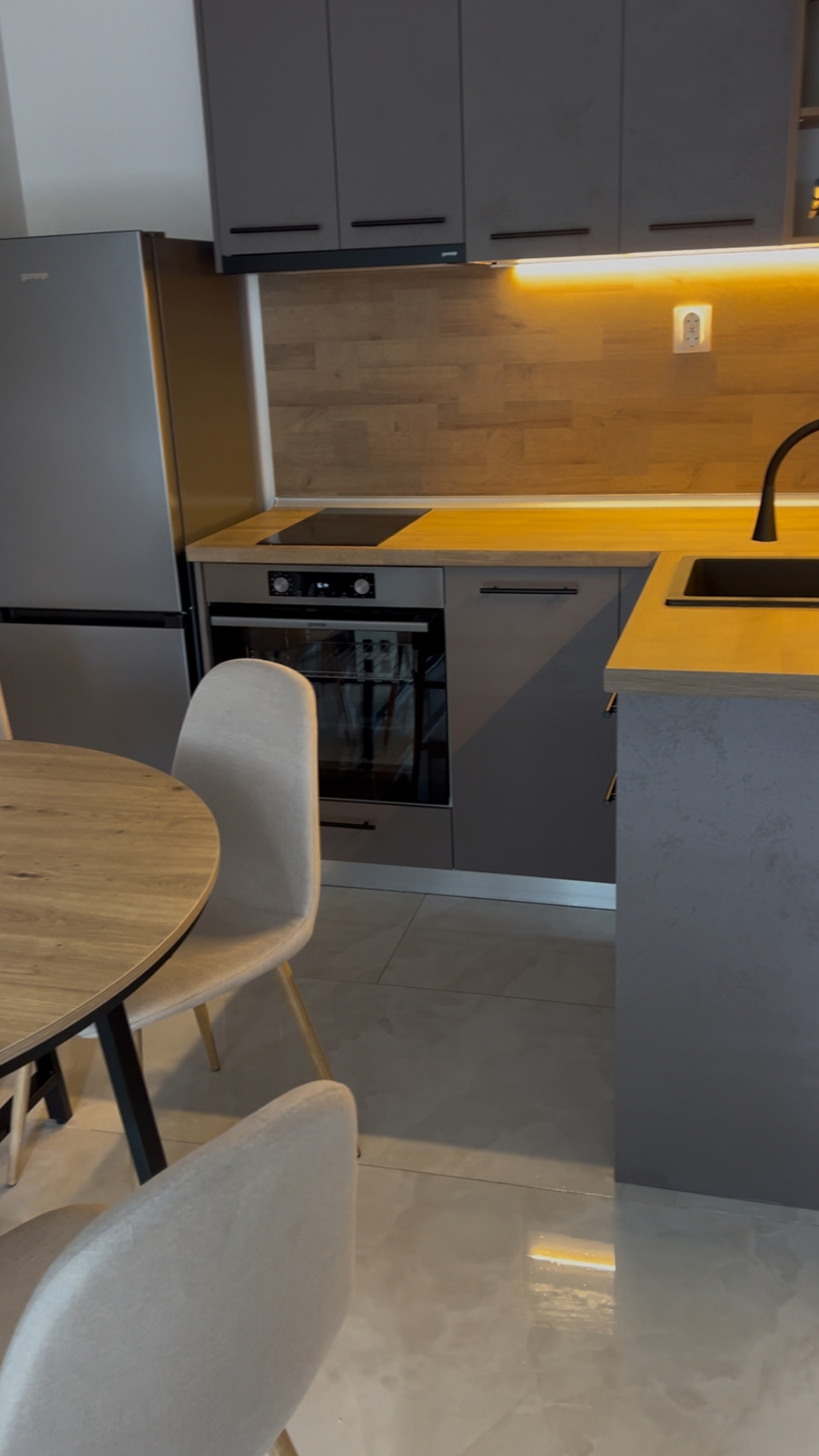
In newer apartments in Medienhafen, Heerdt, or Grafental, surfaces are often smoother but not automatically easier to maintain. Matte kitchen fronts show fingerprints, floor-to-ceiling windows show every raindrop, and open-plan kitchens spread a light grease film into the dining area. An occasional deep cleaning visit helps when normal weekly care no longer removes limescale, dust lines, and kitchen residue fully.
On the city edge, the focus changes. In Kaiserswerth, Wittlaer, Angermund, Hubbelrath, or Benrath, gardens, driveways, and terraces bring more sand, leaves, and paw marks indoors. In return, homes often have more storage, larger bathrooms, and longer cleaning routes from floor to floor.
When Düsseldorf households most often plan extra cleaning
Cleaning demand in Düsseldorf does not rise only during spring cleaning season. Big visitor weekends, semester changes, handovers, and family gatherings all shift demand noticeably. The city is especially international around its Japanese community: Visit Düsseldorf describes Little Tokyo with more than 15,000 Japanese residents, with Japan Day and DoKomi as regular events that bring many guests.
- January to March After the holidays and Carnival, kitchens, ovens, upholstery, guest bathrooms, and hallways move up the list.
- April to June Pollen, open windows, and the first balcony evenings make glass, frames, and upholstered furniture look ready for attention.
- July to September Holiday returns, family visits, and moves increase the need for thorough home cleaning before or after key handovers.
- October to December Semester starts, trade-fair visits, autumn rain, and Advent guests increase cleaning work in entrances, bathrooms, kitchens, and guest areas.
Which cleaning tasks are often combined in Düsseldorf homes
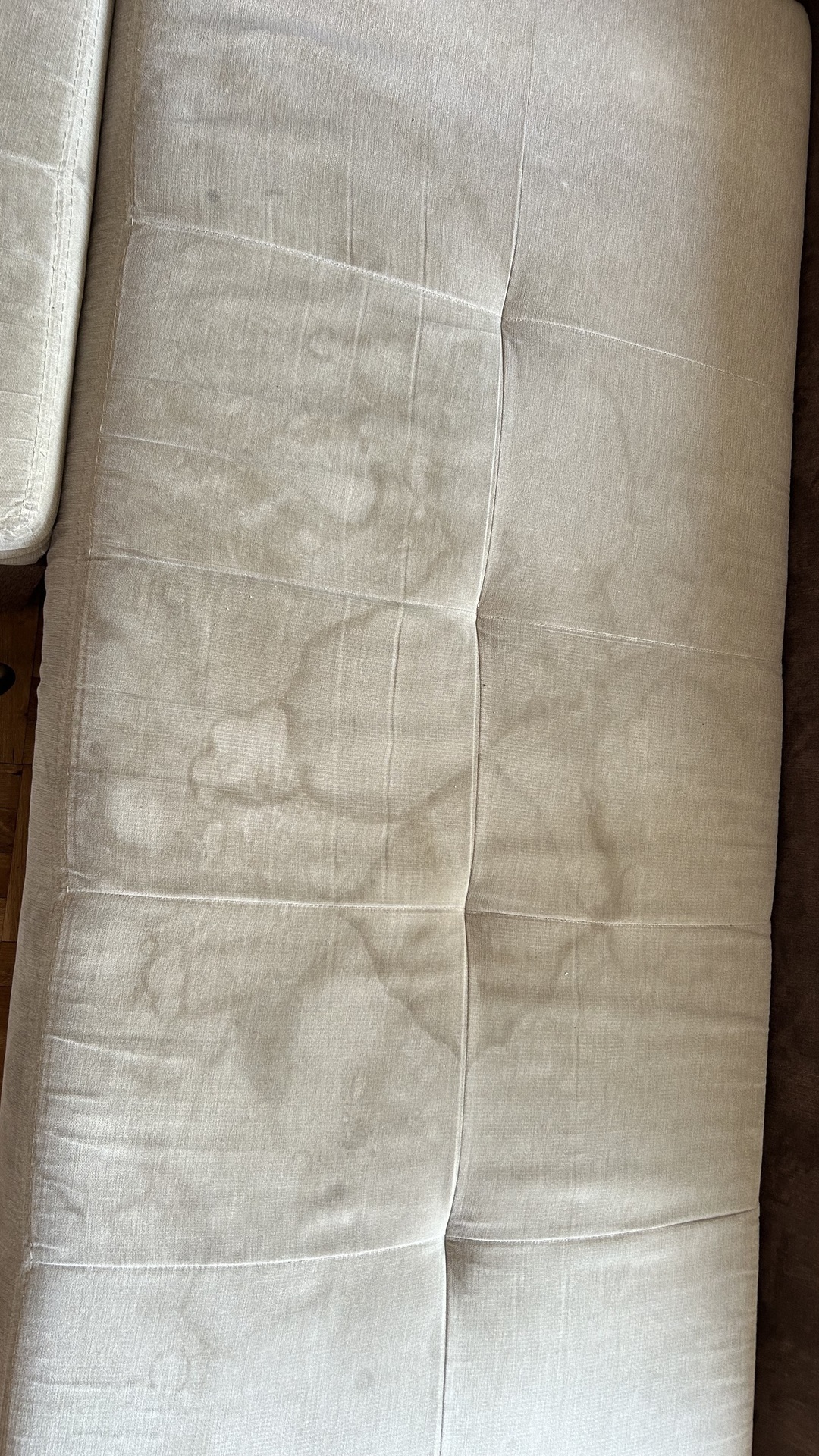
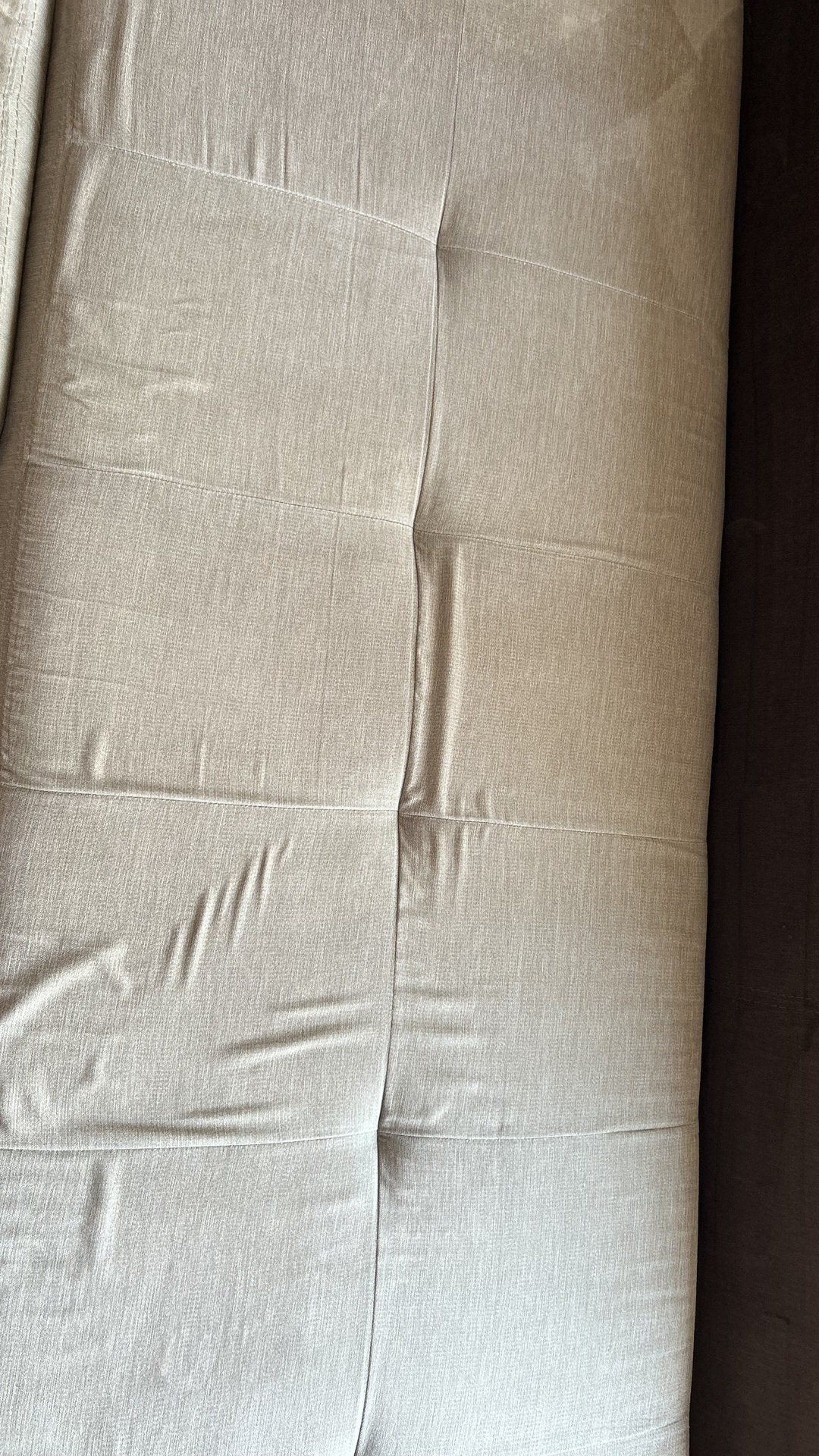
Private home cleaning in Düsseldorf is rarely just vacuuming and mopping. In many households, kitchens, bathrooms, floors, and dust surfaces are maintained regularly, while windows, upholstery, mattresses, ovens, fridges, or limescale-heavy areas are added at longer intervals. That keeps everyday appointments short enough without leaving typical problem areas untouched for months.
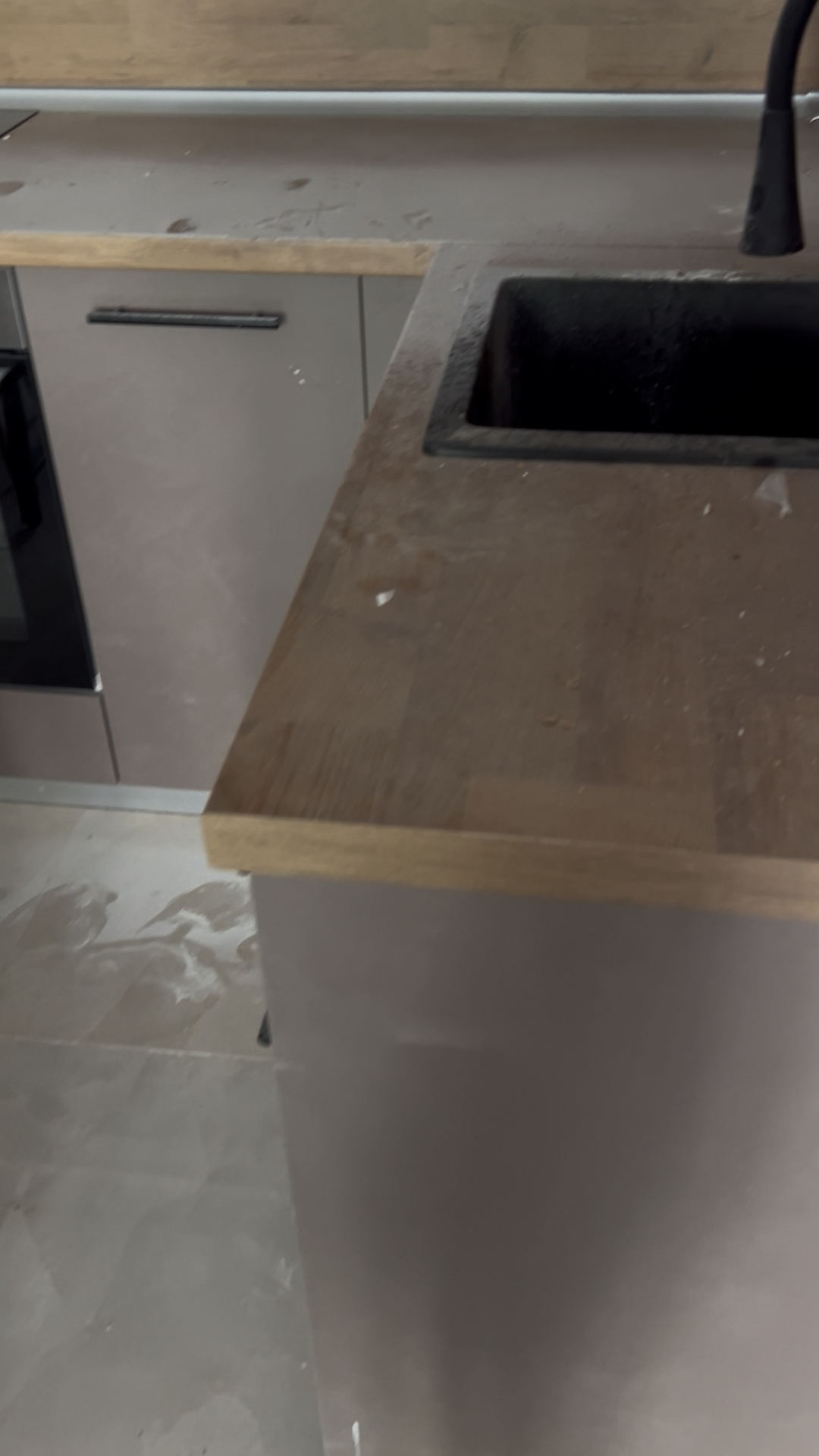
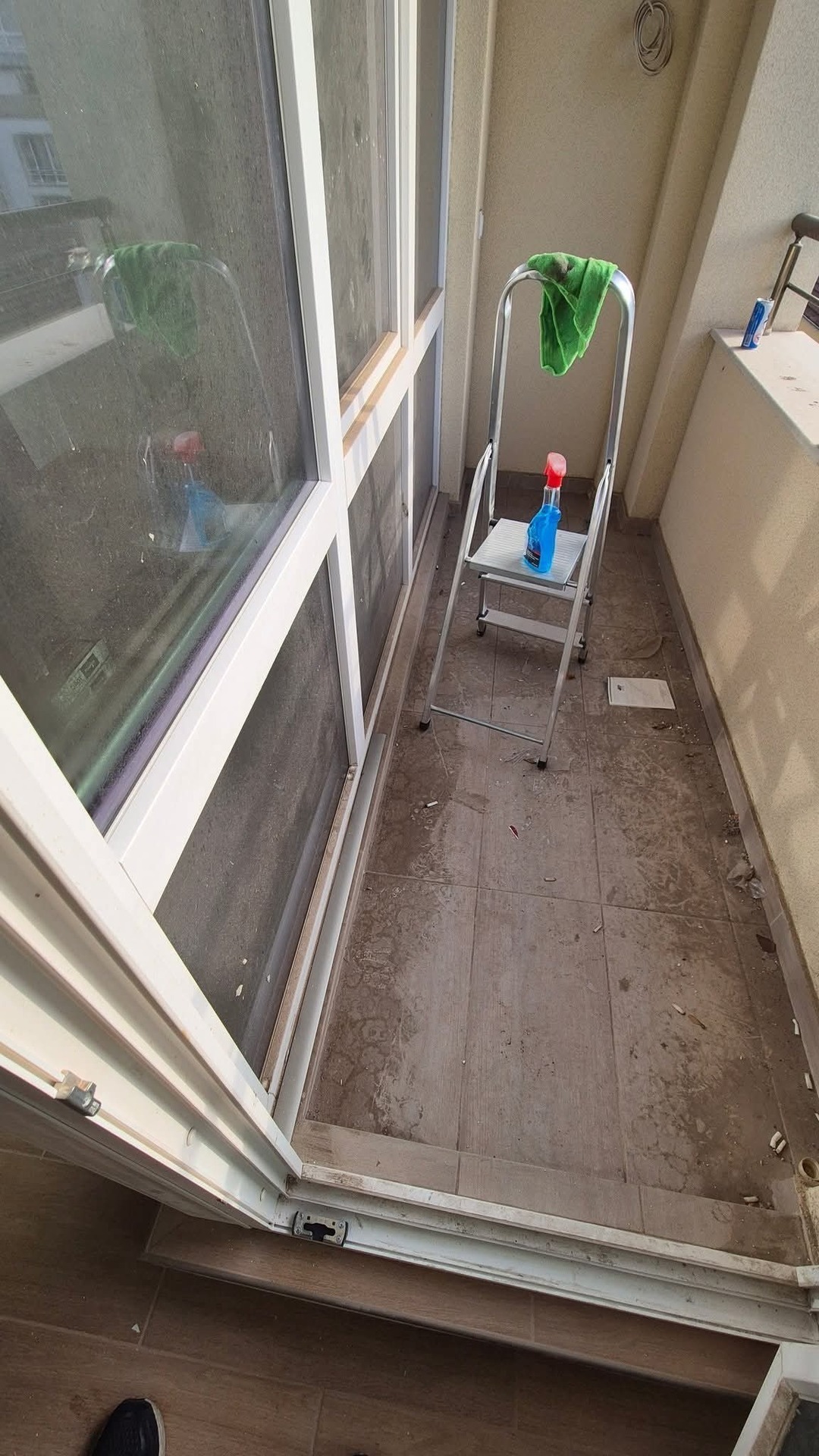
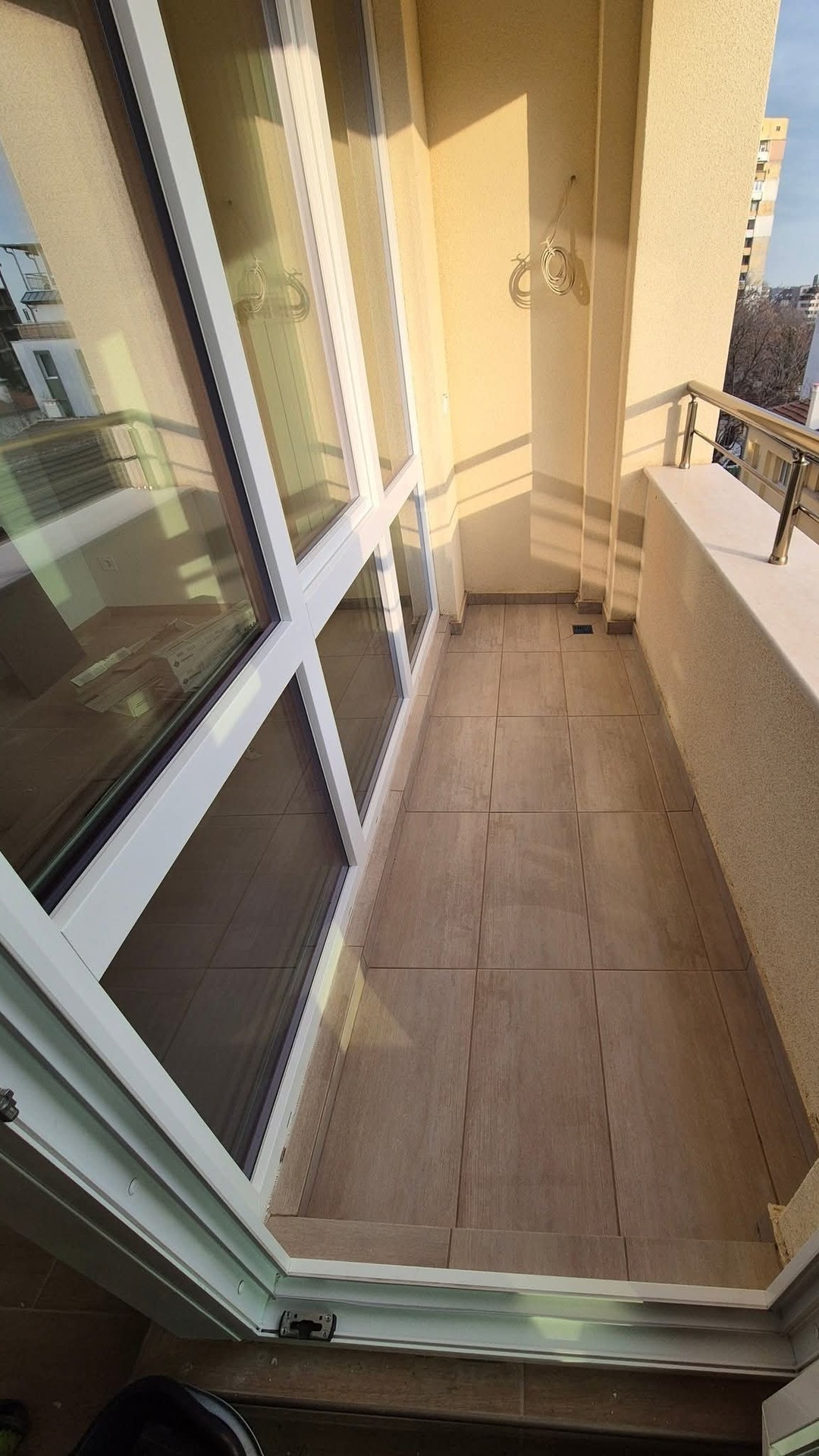
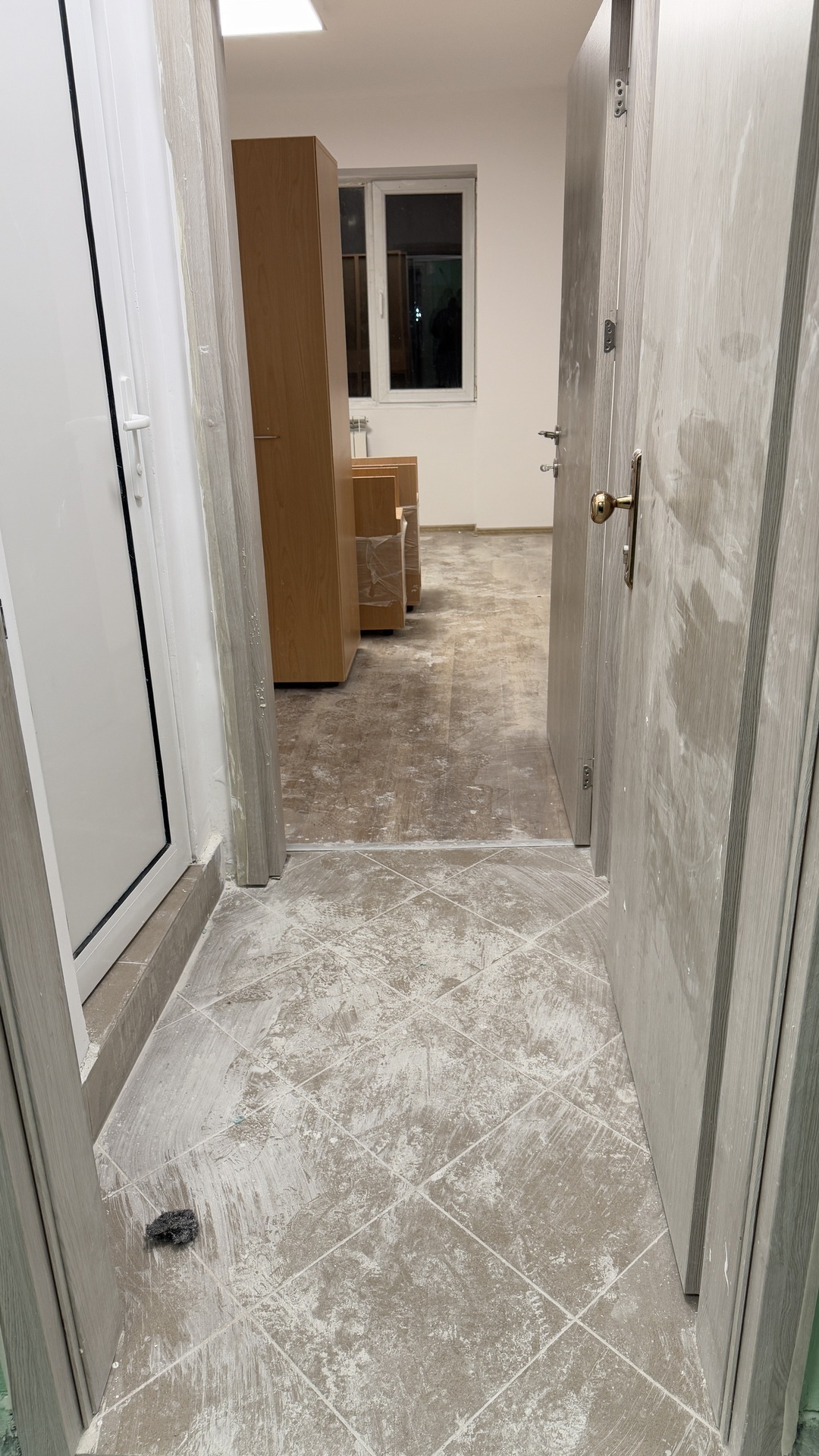
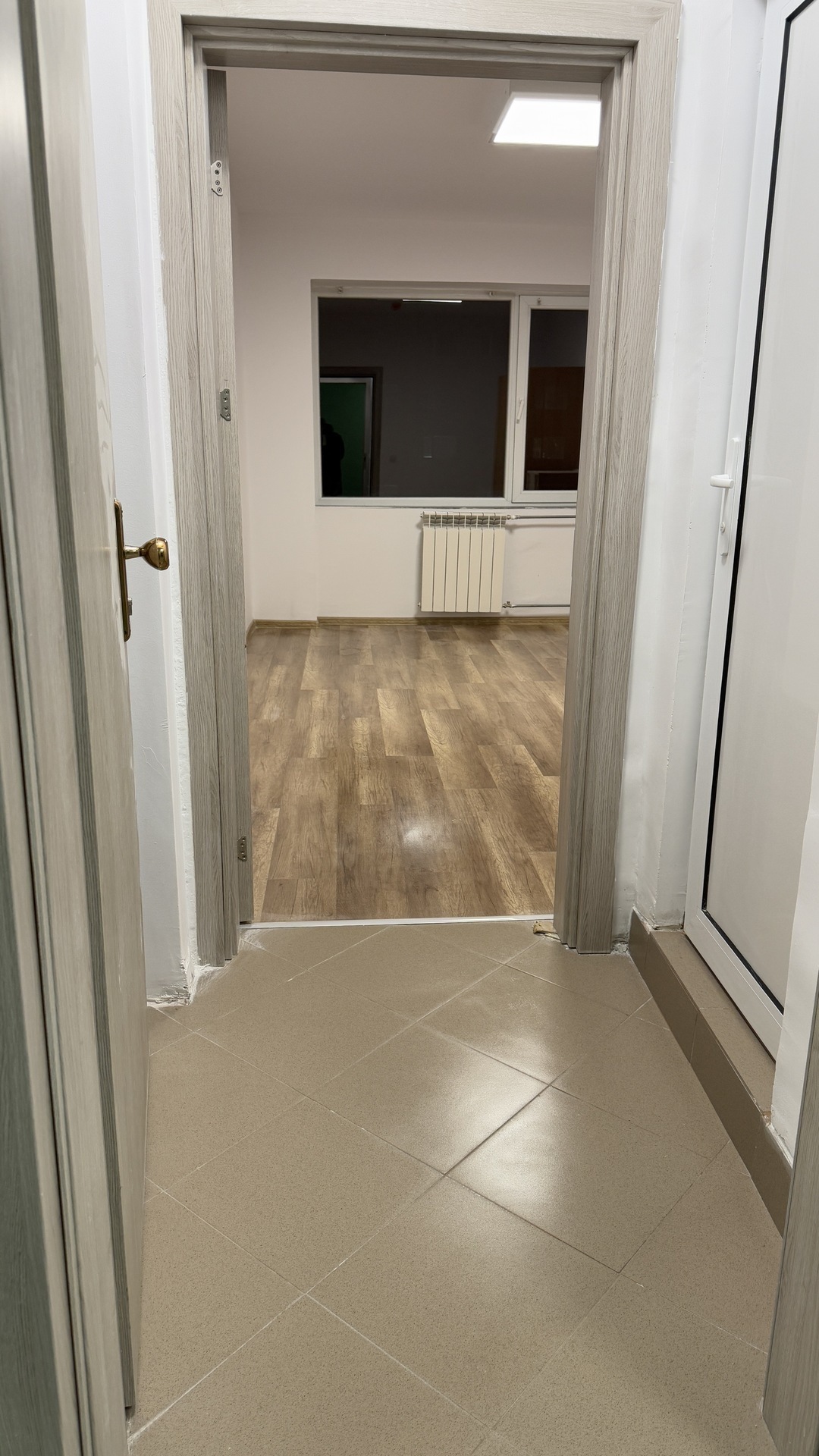
For moves in a tight rental market, the handover condition matters most: clean kitchen fronts, descaled taps, streak-free mirrors, empty cupboards, wiped skirting boards, and an oven without burnt-on residue. After renovation, there is also drilling dust, paint specks, construction dust on window frames, and fine dust inside drawers. In Düsseldorf, professional house cleaning therefore covers a broad range for private apartments and houses, not only ongoing weekly upkeep.
A practical booking is based on floor area, room count, and priorities: bathroom and kitchen first, then floors, dust surfaces, glass, or special points such as the oven, upholstery, and balcony windows. A 2-room apartment in Bilk is usually planned differently from a terraced house in Gerresheim or a detached house in Angermund.
 WORK
WORK