


What really puts pressure on Stuttgart homes
Stuttgart is compact, hilly and densely lived-in: on December 31, 2025, 605,663 people had their main residence registered in the city. Add commuter routines, international households, shared flats and families, and home cleaning looks very different from one district to the next. In Stuttgart-West, Süd and Mitte, residential cleaning often means older apartments, high ceilings, wooden floors, tight kitchens and limited storage. In Bad Cannstatt, Feuerbach, Vaihingen or Zuffenhausen, it more often means larger apartment blocks, balconies, lifts in the building and more dust carried in from busy roads.
For private homes, the useful starting point is not a rigid checklist but the way the home is used. A small city flat near Rotebühlplatz or Österreichischer Platz often needs short, regular visits for kitchen grease, bathroom limescale and floor dust. A house in Degerloch, Sillenbuch, Botnang or Plieningen brings other tasks: indoor stairs, patio doors, larger glass areas, children’s rooms, guest rooms and seasonal garden or pollen traces.
As a broad category, professional cleaning in Stuttgart is especially useful when several tasks overlap: routine home cleaning, deeper bathroom and kitchen work, windows, upholstery, oven, mattresses, fridge cleaning or a full clean before handing over keys.
Apartment sizes, layouts and the zones that get dirty first
Stuttgart’s housing market is visibly shifting toward more compact units. According to the city’s housing construction statistics, the average new-build apartment in apartment buildings measured 65 square metres in 2023; around 42 percent of completed units had only one or two rooms. That changes cleaning priorities: in smaller flats, cooking, working, sleeping and entertaining often happen close together, so surface dirt becomes visible faster.
- Older apartments in West, Süd and OstTall skirting boards, radiator niches, wooden floors and window ledges collect dust; kitchens and bathrooms are often smaller and need careful edge cleaning.
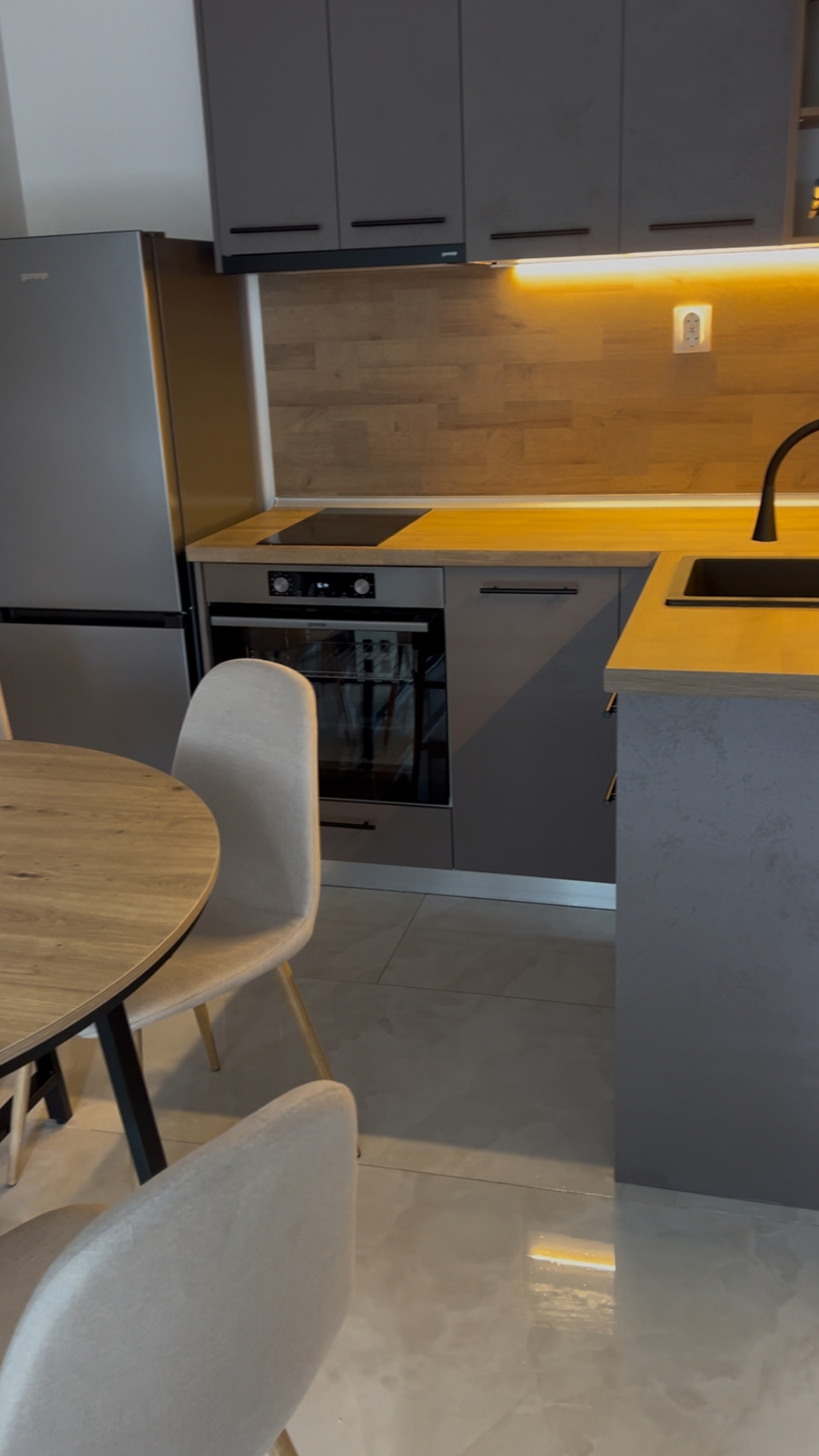
- Newer buildings in Feuerbach, Vaihingen and Bad CannstattOpen-plan kitchens, smooth cabinet fronts and floor-to-ceiling windows show streaks quickly, especially in direct sun and during pollen season.
- Houses around the basin rimIn Degerloch, Sillenbuch, Botnang or Uhlbach, patio marks, leaves, garden soil and multiple bathrooms are more common.
- Shared flats and student homesAround Stadtmitte, Vaihingen and Hohenheim, kitchens, fridges, bathrooms and hallways carry the highest turnover and usage pressure.
The basin climate, heat, fine dust and pollen indoors
Stuttgart’s basin setting affects more than the outdoor air; it also affects homes. The German Weather Service describes more than 30 days of strong heat stress per year in built-up valley areas such as the Stuttgart basin, the Neckar valley and the Feuerbach valley. During those spells, windows stay open for longer, fans run, balcony and patio doors are used more often, and fine dust spreads faster across floors, window ledges, upholstery and mattresses.
Winter brings the opposite pattern. With little wind, no rain and night-time ground inversions, air exchange can be restricted; the city lists these criteria in its information on the former fine dust alert in Stuttgart. For homes, that means ventilation is still necessary, but surfaces facing busy streets, window frames, curtains and radiators can soil faster. Along heavy-traffic routes such as Neckartor, B14, Heilbronner Straße, or in valley locations from Bad Cannstatt to Wangen, damp wiping is noticeably more effective than dry dusting alone.
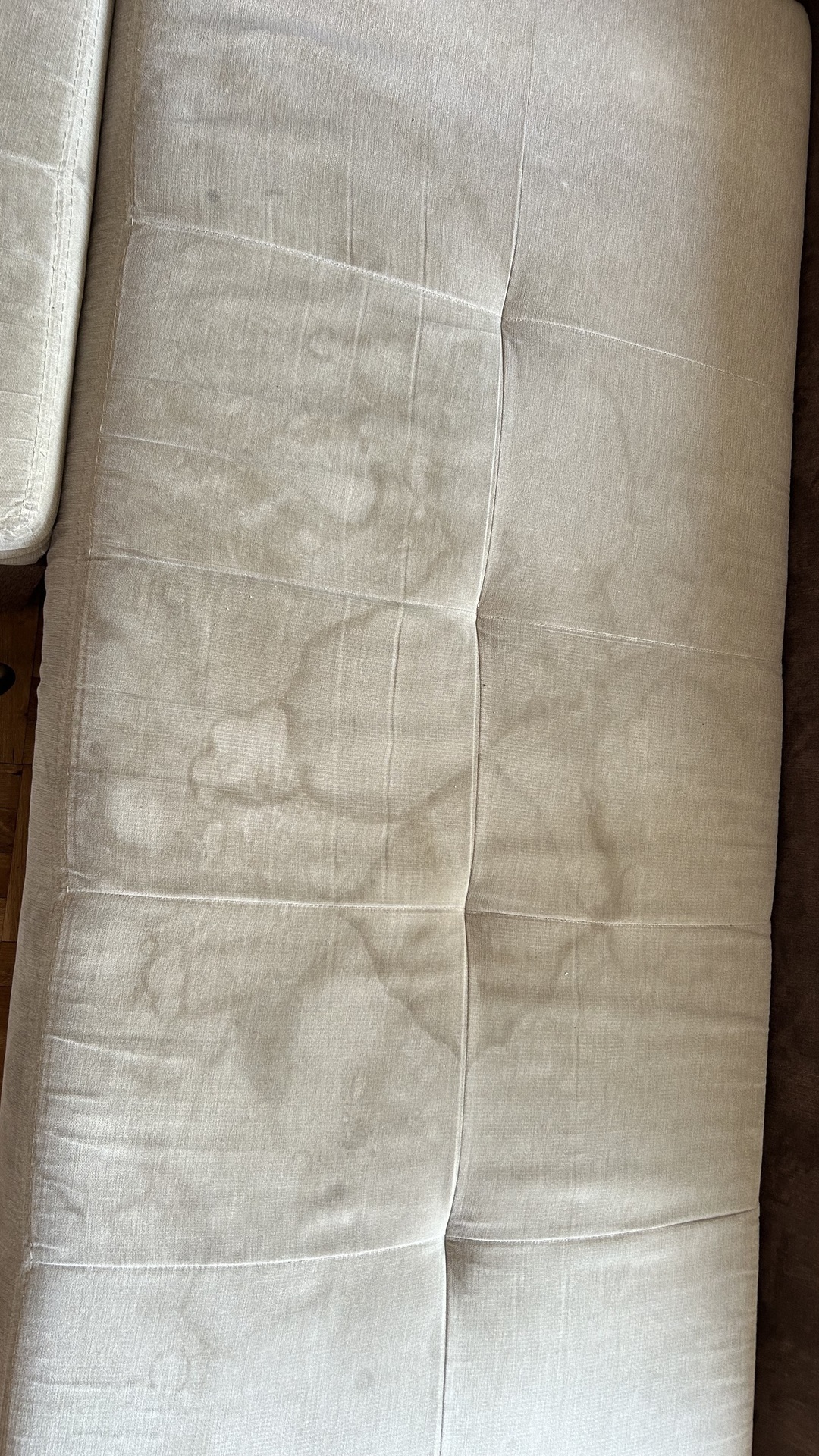
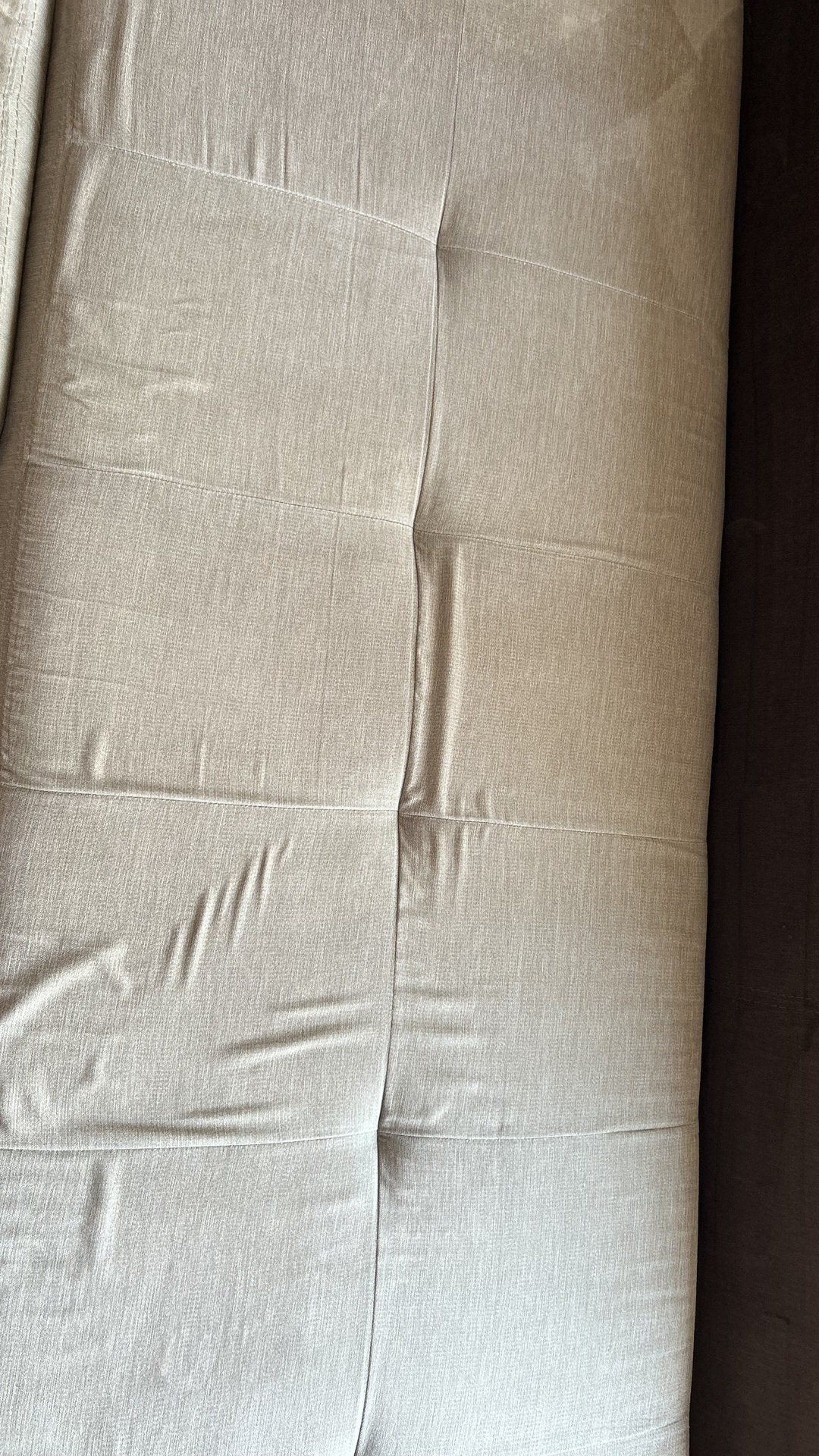
In spring, birch, grass, plane-tree pollen and blossom dust add another layer. Window ledges, sofas and mattresses should not wait until dirt is visible; targeted upholstery cleaning can help living areas where people ventilate, work and sleep in the same room.
When cleaning demand rises in Stuttgart
Cleaning needs in Stuttgart follow the calendar closely. After winter, windows, radiators, bathroom grout and kitchen surfaces become more urgent. In late summer and autumn, many rental contracts change, shared flats reorganise, and before the winter semester there are more handovers, short lets and move-ins in Vaihingen, Stadtmitte, Hohenheim, West and Süd. The University of Stuttgart lists the 2026/27 semester start as October 1 and regular classes as beginning on October 12.
Major visitor periods also spill into private households. The Cannstatter Volksfest brought 4.6 million visitors to the Wasen in 2024; the Stuttgart Christmas Market attracts more than three million visitors every year. Homes used for guests, family visits or short stays need attention to guest rooms, sofa beds, kitchens and bathrooms before arrivals, not only after everyone has left.
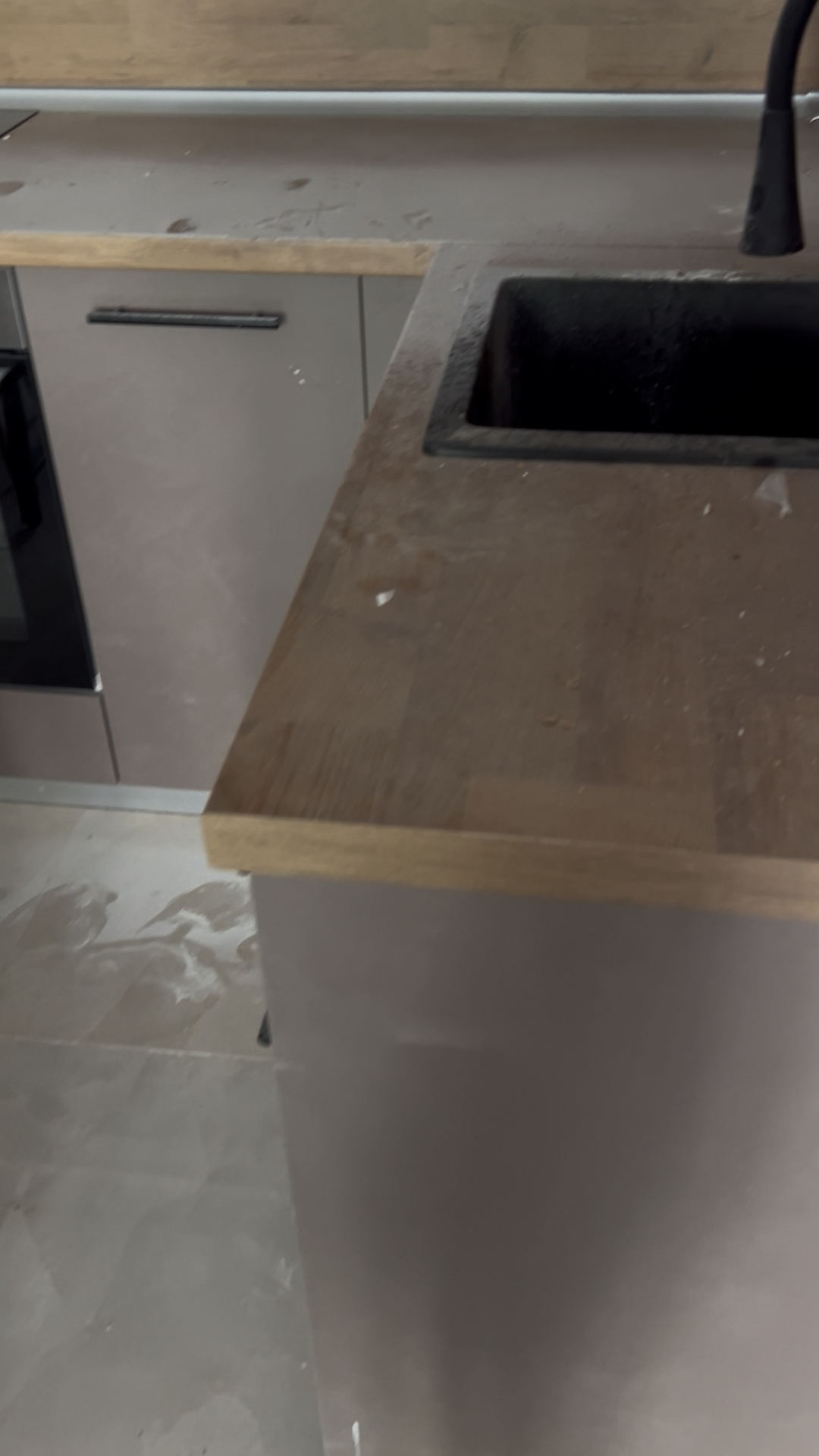
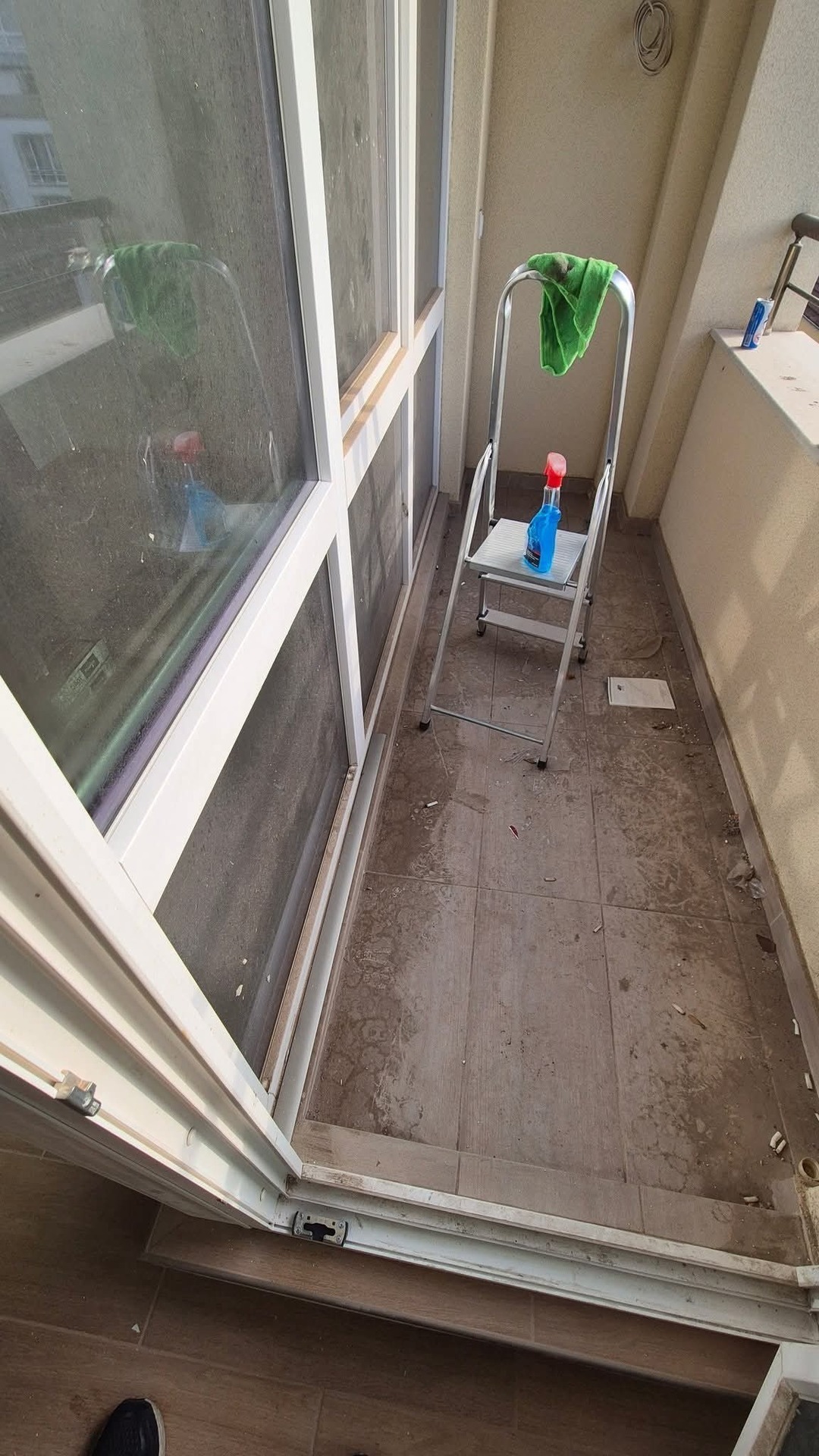
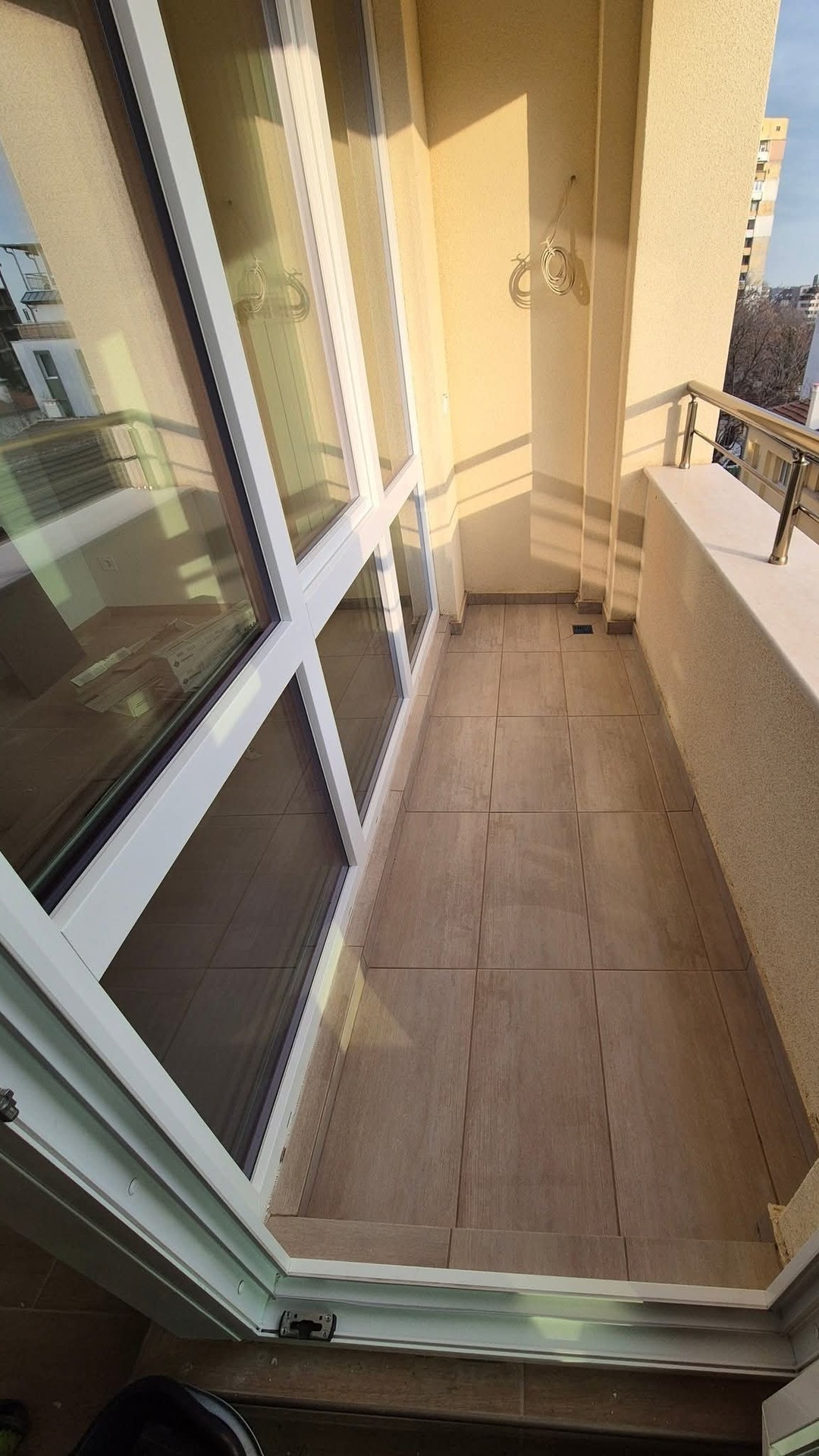
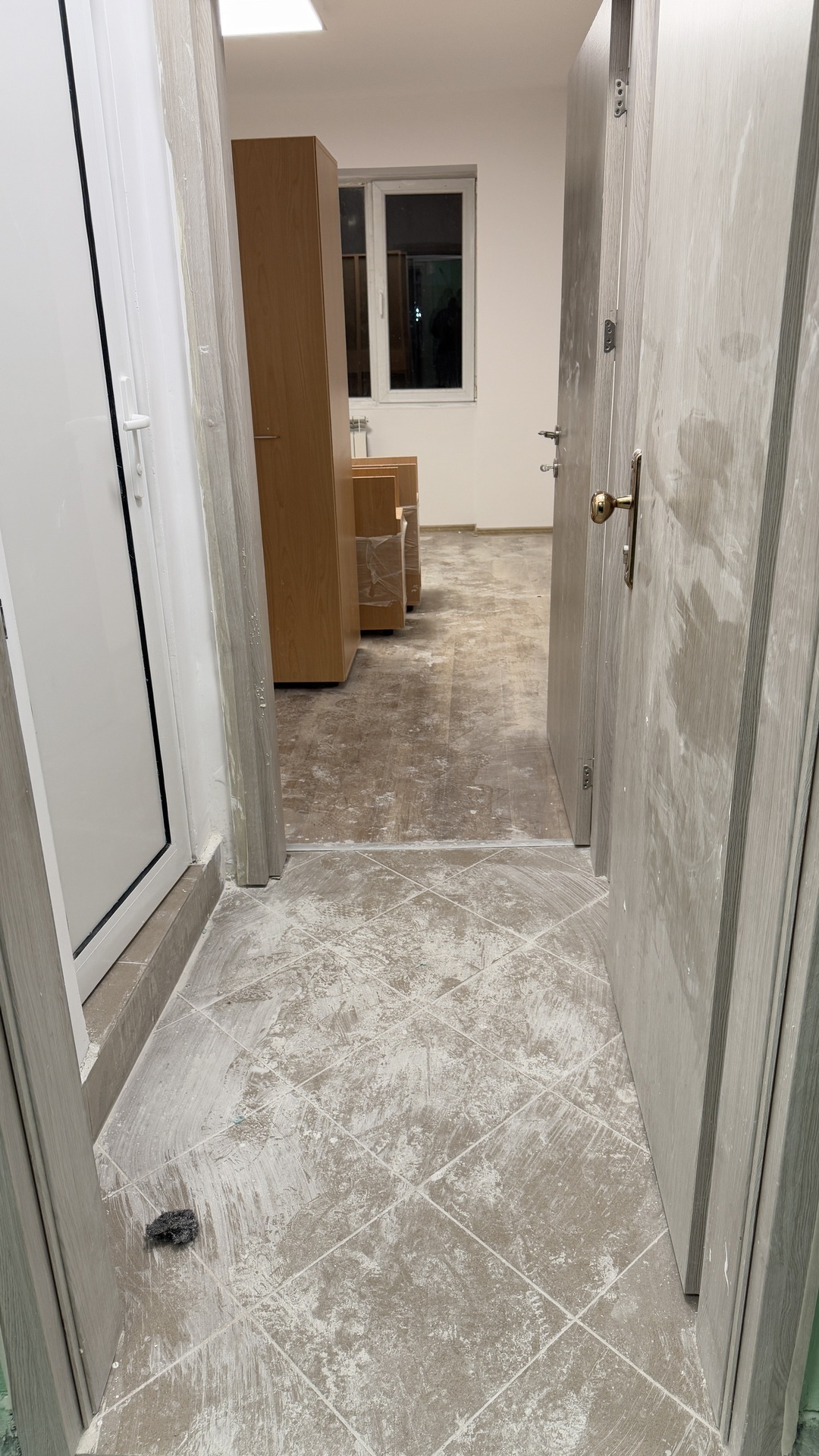
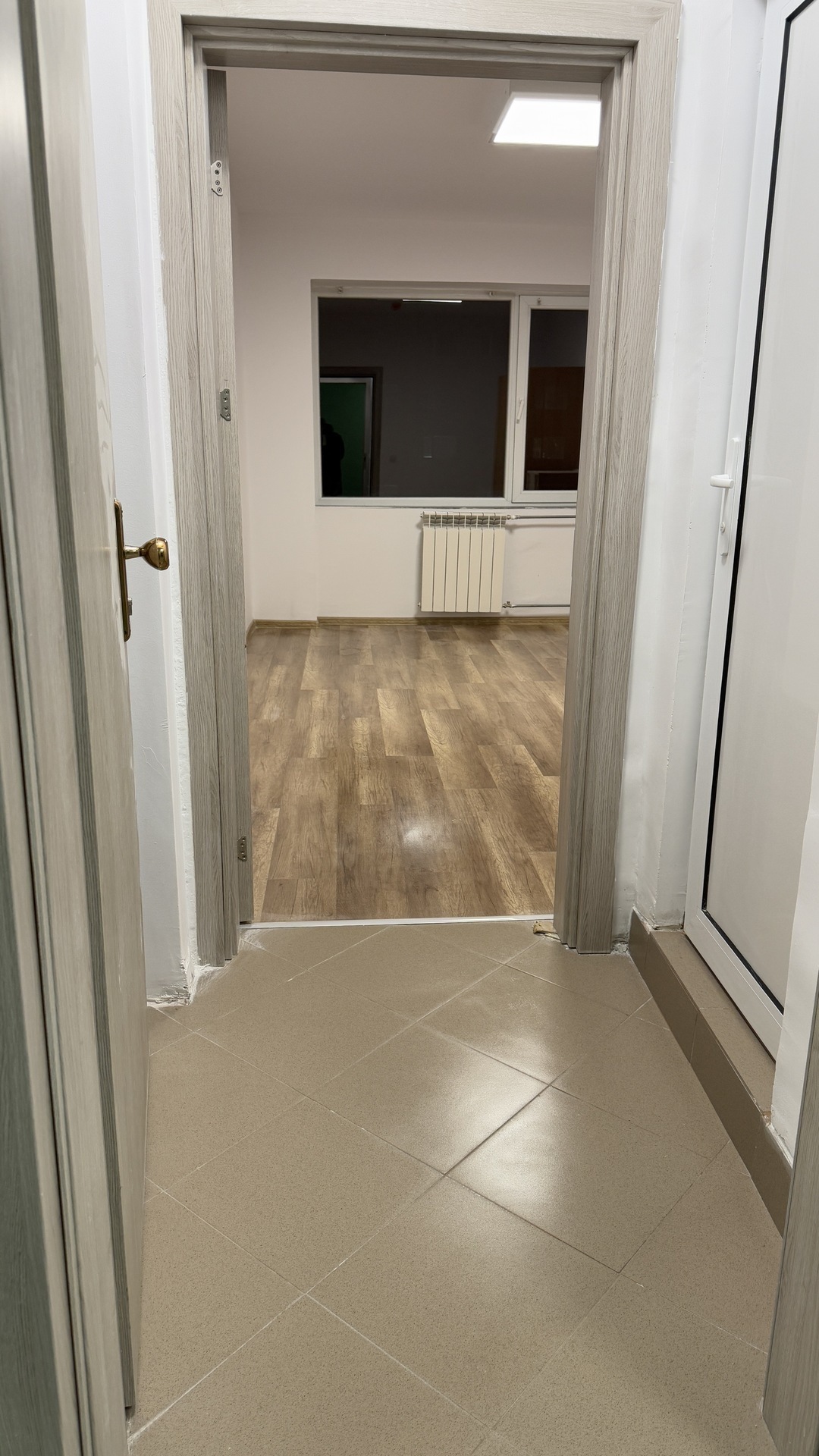
Renovations and moves create heavier work: drilling dust in joints, haze on glass, residue inside cupboards, bathroom limescale and kitchen grease. Depending on the situation, post construction cleaning or move out cleaning fits those larger handover tasks.
A practical order for Stuttgart households
Whether it is a 38-square-metre flat in Mitte, a family apartment in Bad Cannstatt or a terraced house in Möhringen, the most useful cleaning order starts where Stuttgart leaves the clearest marks: air, water, daily use and the transition between outside and inside.
- Check dust and window zones first Window ledges, frames, radiators, balcony doors and street-facing rooms show basin dust, pollen and traffic residue early.
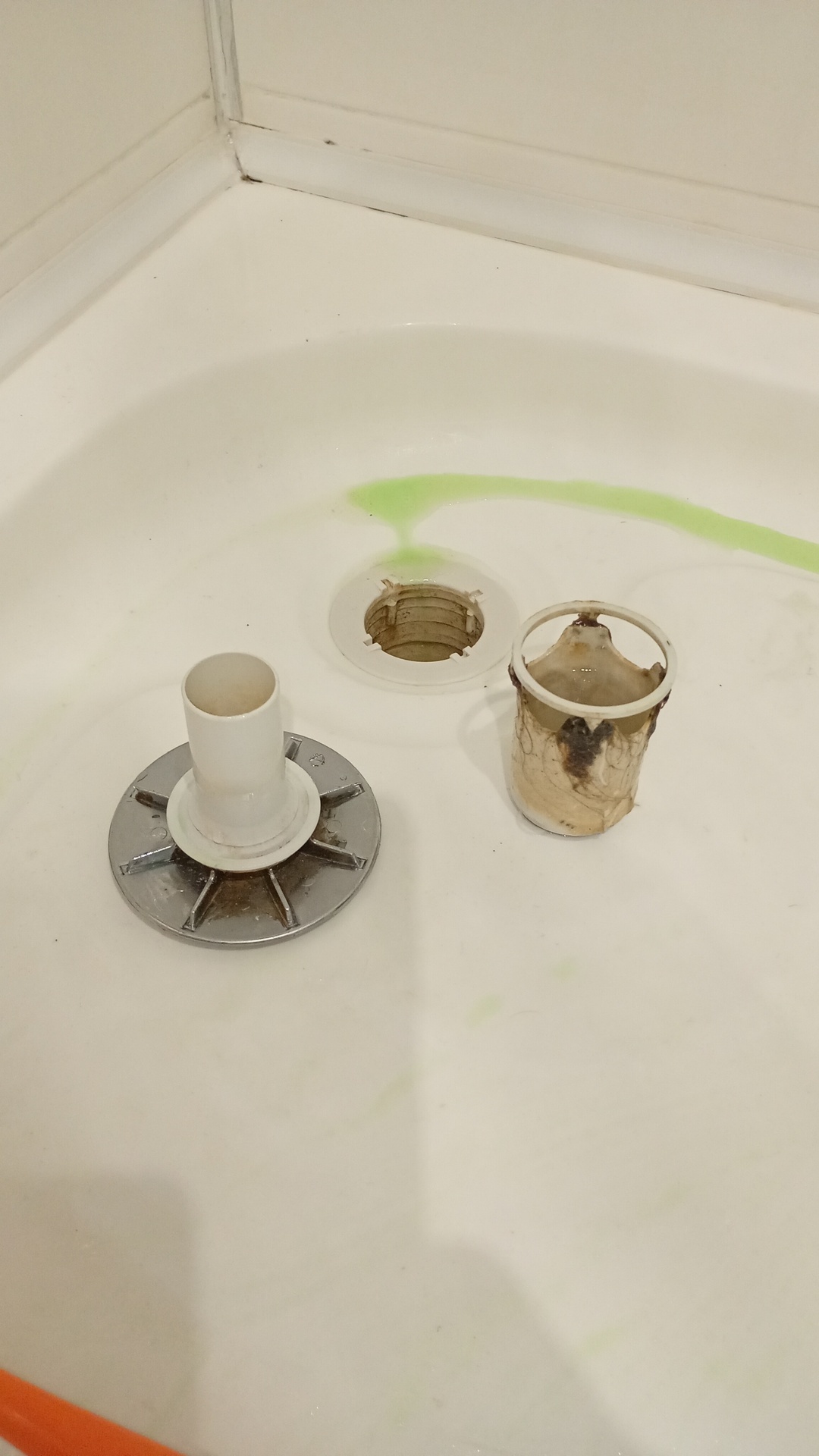
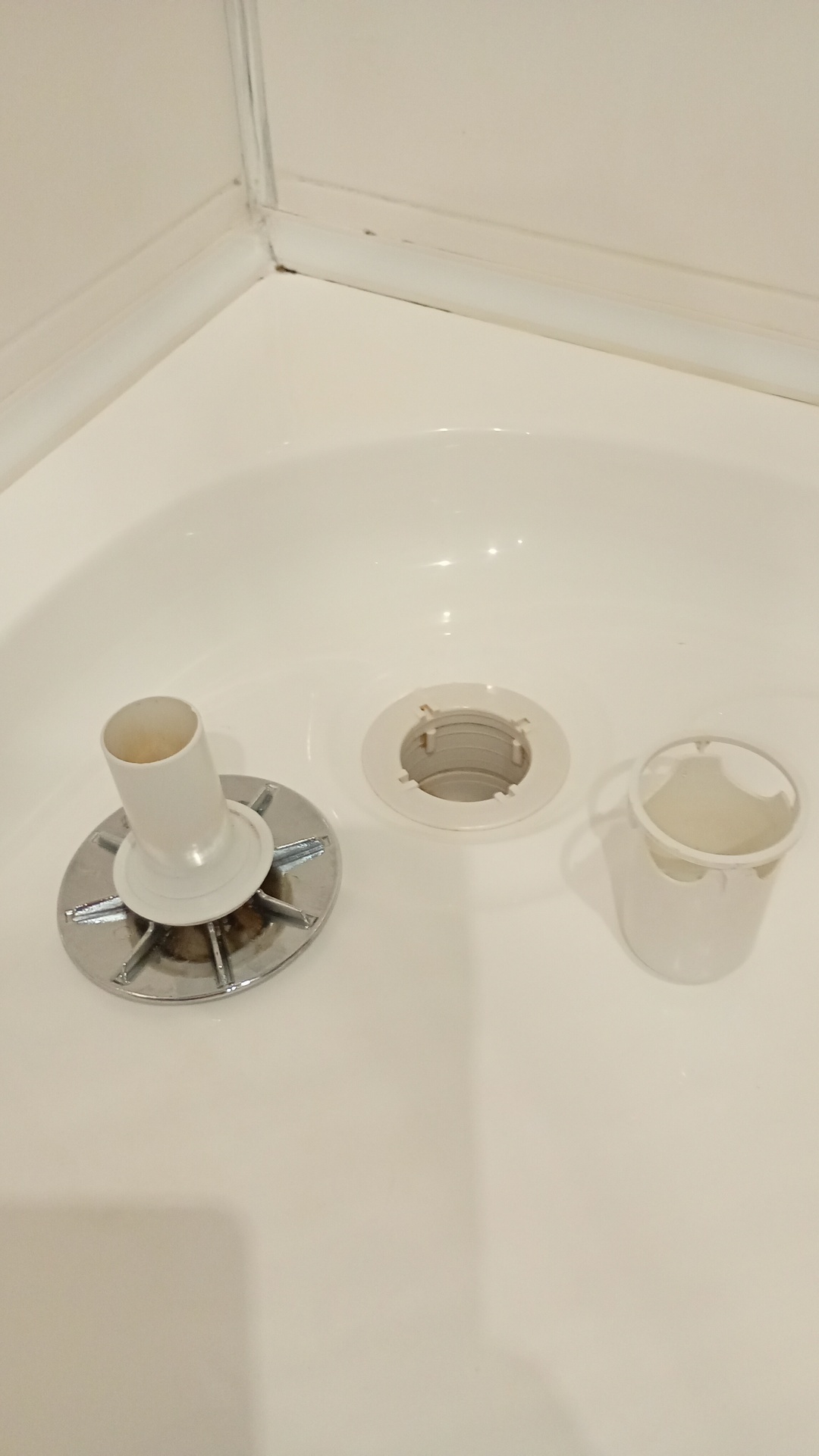
- Prioritise kitchen and bathroom next Hard water, steam, grease and daily use make taps, grout, extractor hoods, ovens and sinks the most important hygiene zones.
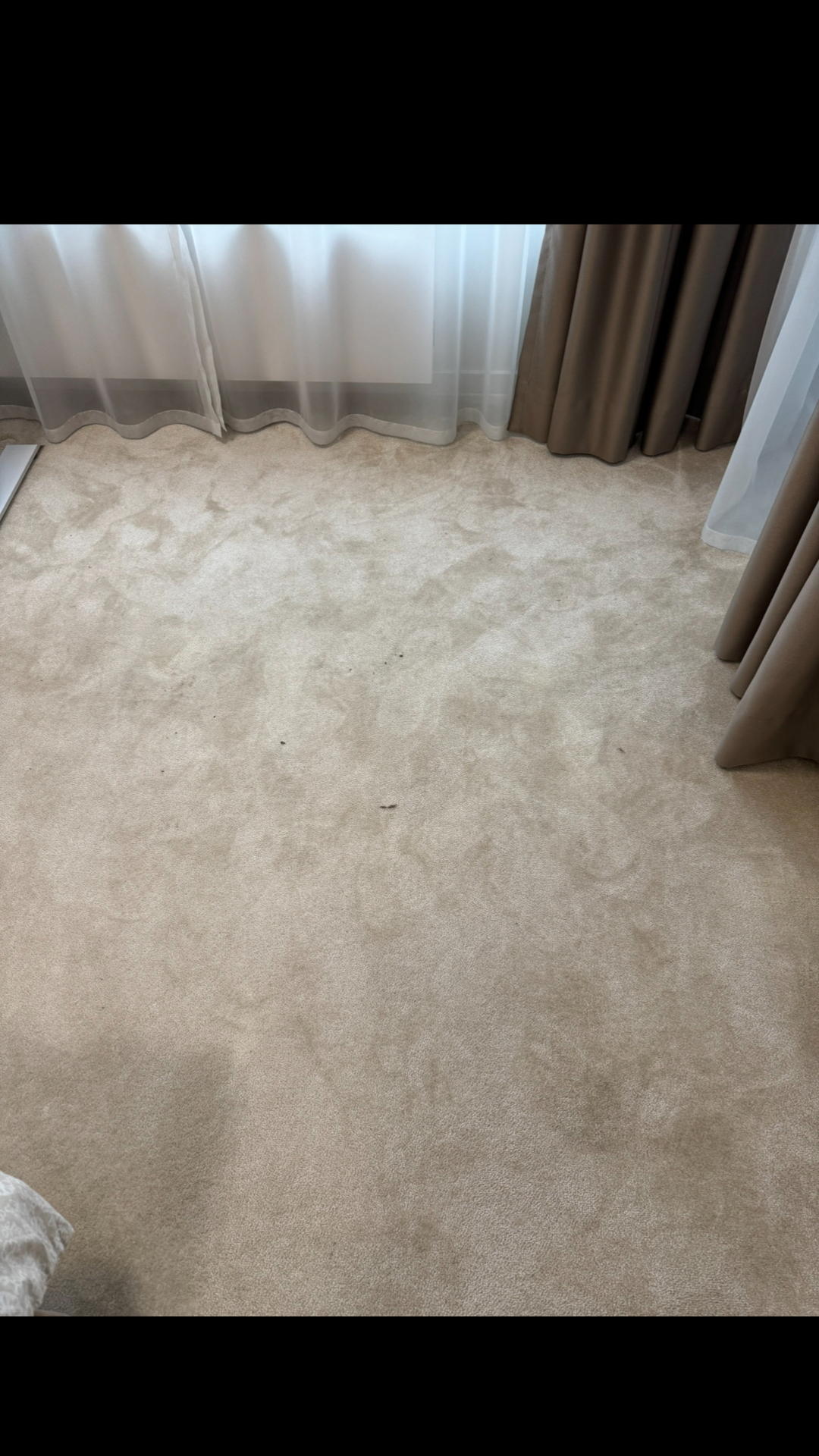
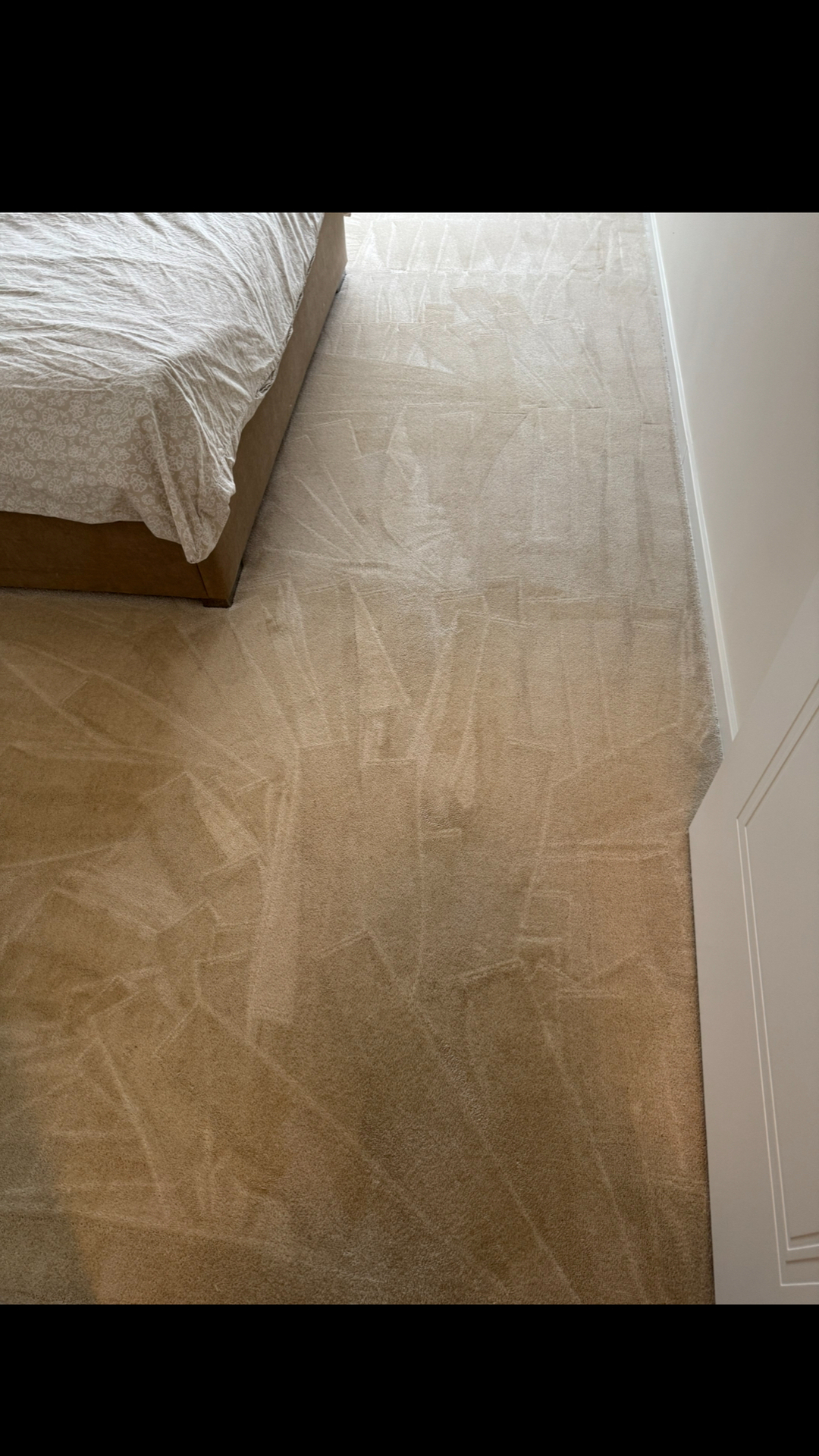
- Plan textiles after that Sofas, dining chairs, carpets and mattresses absorb odours, skin flakes and pollen even when the floor looks clean.
- Time handovers last For moving out, moving in or renovation, cupboards, skirting boards, windows, doors and sanitary areas should be cleaned after the final tradespeople or transport work.
For many ongoing households, a fixed fortnightly rhythm is enough; with pets, children, shared living, street-facing rooms or allergies, weekly cleaning is usually more realistic. Regular cleaning keeps these recurring zones stable, while one-off specialist tasks can be booked separately.
 WORK
WORK