


Cologne homes need cleaning that fits the neighbourhood
Cologne is a large city, but daily life is strongly shaped by its Veedel: old apartments in Südstadt, compact rentals in Ehrenfeld and Nippes, family houses in Rodenkirchen, Lindenthal or Porz, and dense apartment blocks in Kalk and Mülheim. The city reported 1,100,076 residents with a main or secondary address in 2025. In private homes, that means constant movement through kitchens, bathrooms, hallways and small storage corners.
The housing mix explains why residential cleaning in Cologne rarely follows one fixed pattern. According to the city’s housing statistics, Cologne had 577,459 dwellings with an average living space of 77.28 square metres in 2025; 55% of the stock had three to four rooms. At the same time, 52% of private households consisted of one person. In a studio near Barbarossaplatz, every dust trap matters; in a house in Sürth, stairs, children’s rooms, patio doors and larger bathrooms shape the workload.
- Older buildings in Innenstadt and NeustadtHigh ceilings, decorative edges, wooden floors and narrow bathrooms collect visible dust along skirting boards, radiators and window frames.
- Single households near universitiesCompact layouts around Lindenthal, Sülz and Zülpicher Straße benefit from predictable regular cleaning, because kitchen, bathroom and living space often overlap.
- Family homes near the green beltSand, pollen, sports bags and prams bring more dirt into hallways, upholstery and bathrooms than the floor area alone suggests.
Rhine air, rain and city dust move indoors quickly
Cologne sits on the Rhine, with mild winters, humid spells and regular rainfall across the year. The climate data for the Cologne/Bonn station is provided by the German Weather Service; at home, residents notice it in fogged windows, fine water marks on glass, darker grout lines and dust that clings to damp surfaces.
In busy locations such as the Ringe, Luxemburger Straße, Venloer Straße, Aachener Straße and Deutz, traffic residue also settles on sills and frames. The city states that an expanded low-emission zone in Cologne has applied since 2019, covering large parts of Rodenkirchen, Lindenthal, Ehrenfeld, Nippes, Mülheim and Kalk. For homes, that does not mean dust-free air; it means windows, fabrics and bathroom surfaces need planned intervals.
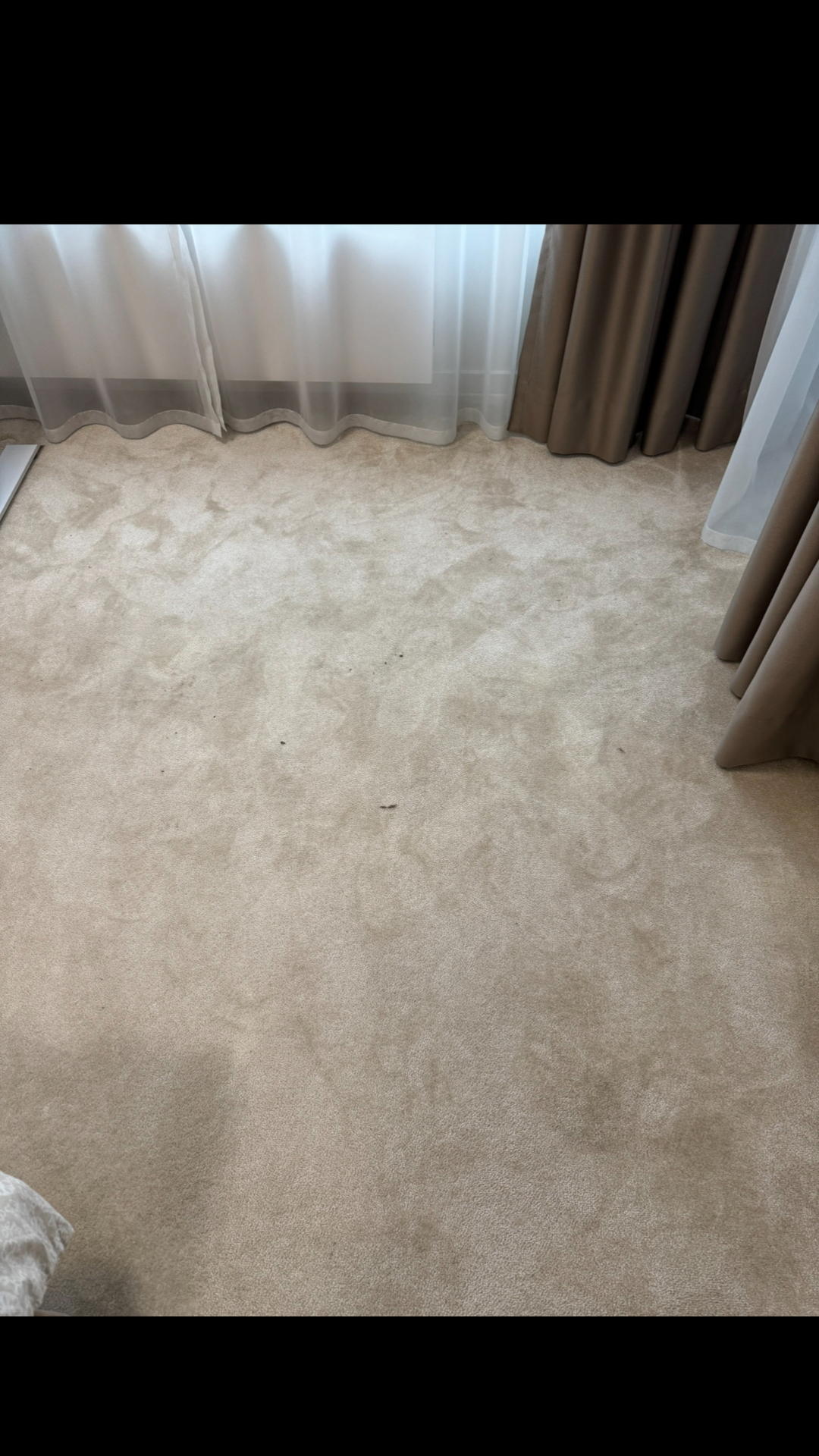
After rainy periods, window cleaning, frame care and bathroom descaling are especially useful. In spring, pollen from Rheinpark, Stadtwald, Vorgebirgspark and street trees adds another layer; in autumn, wet shoes carry fine dirt into entrances, rugs and living-room carpets.
City centre, green belt, right bank: different routes, different dirt patterns
People living near Eigelstein or in the Belgian Quarter often deal with short walking routes, restaurants nearby and more street dust at the door. In Marienburg, Junkersdorf or Widdersdorf, garden paths, patios, pets and larger glass surfaces tend to matter more. On the right bank, the mix of established residential streets, new developments and commuter traffic in Deutz, Mülheim, Kalk and Porz creates its own cleaning priorities.
- Dust central apartments first In Altstadt, Neustadt, Ehrenfeld and Nippes, it makes sense to start with windowsills, shelves, radiators and skirting boards before mopping floors.
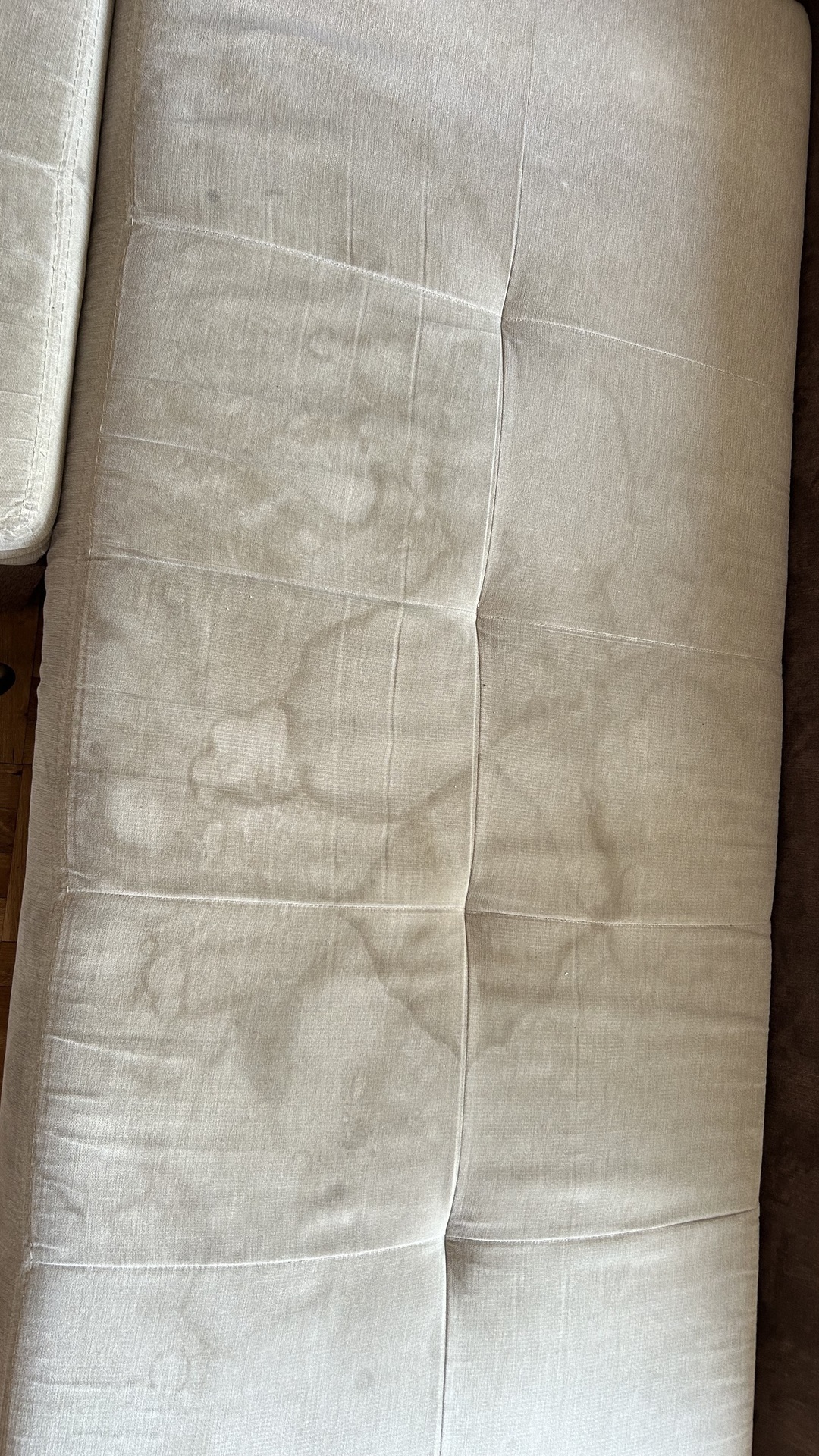
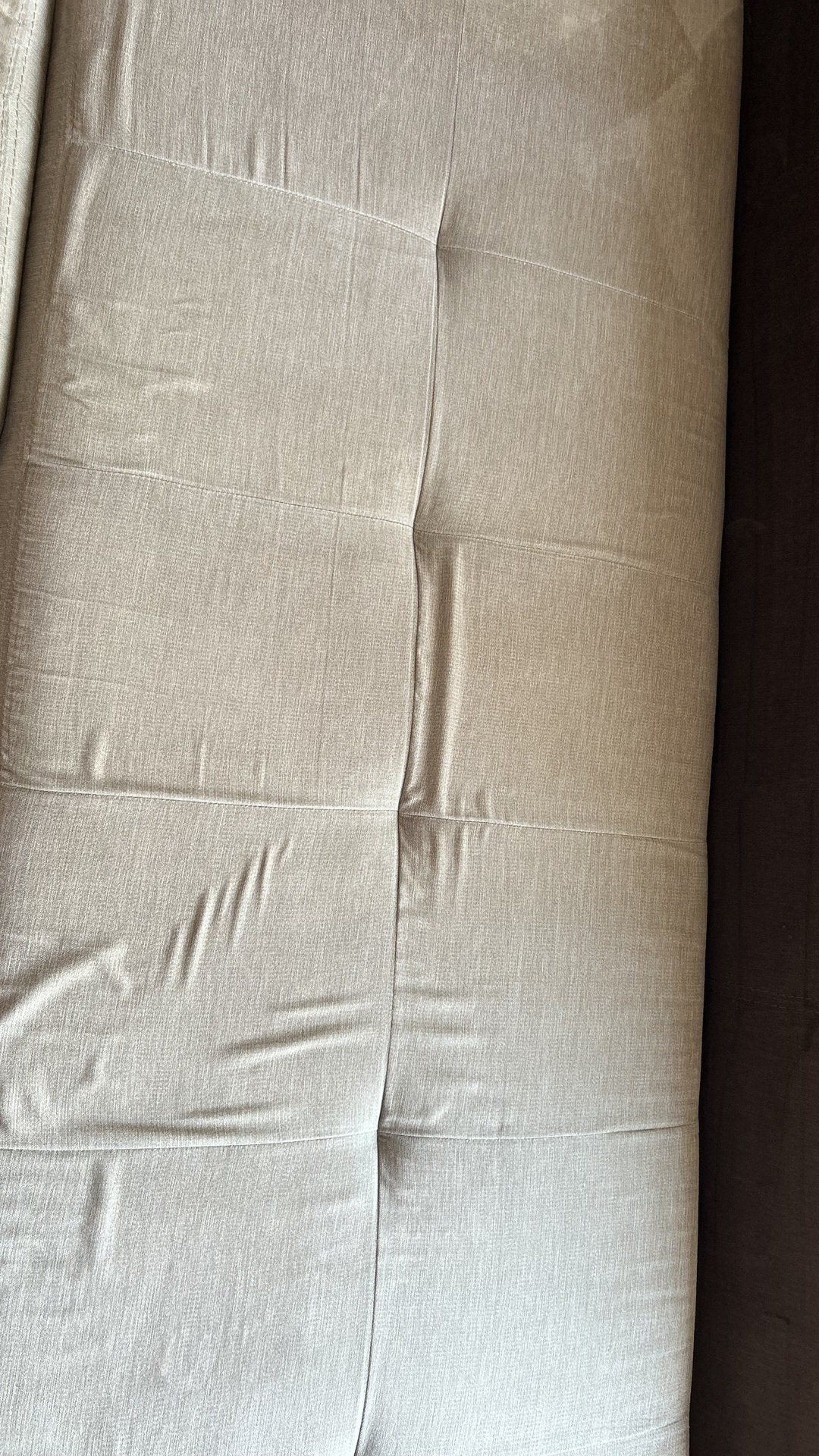
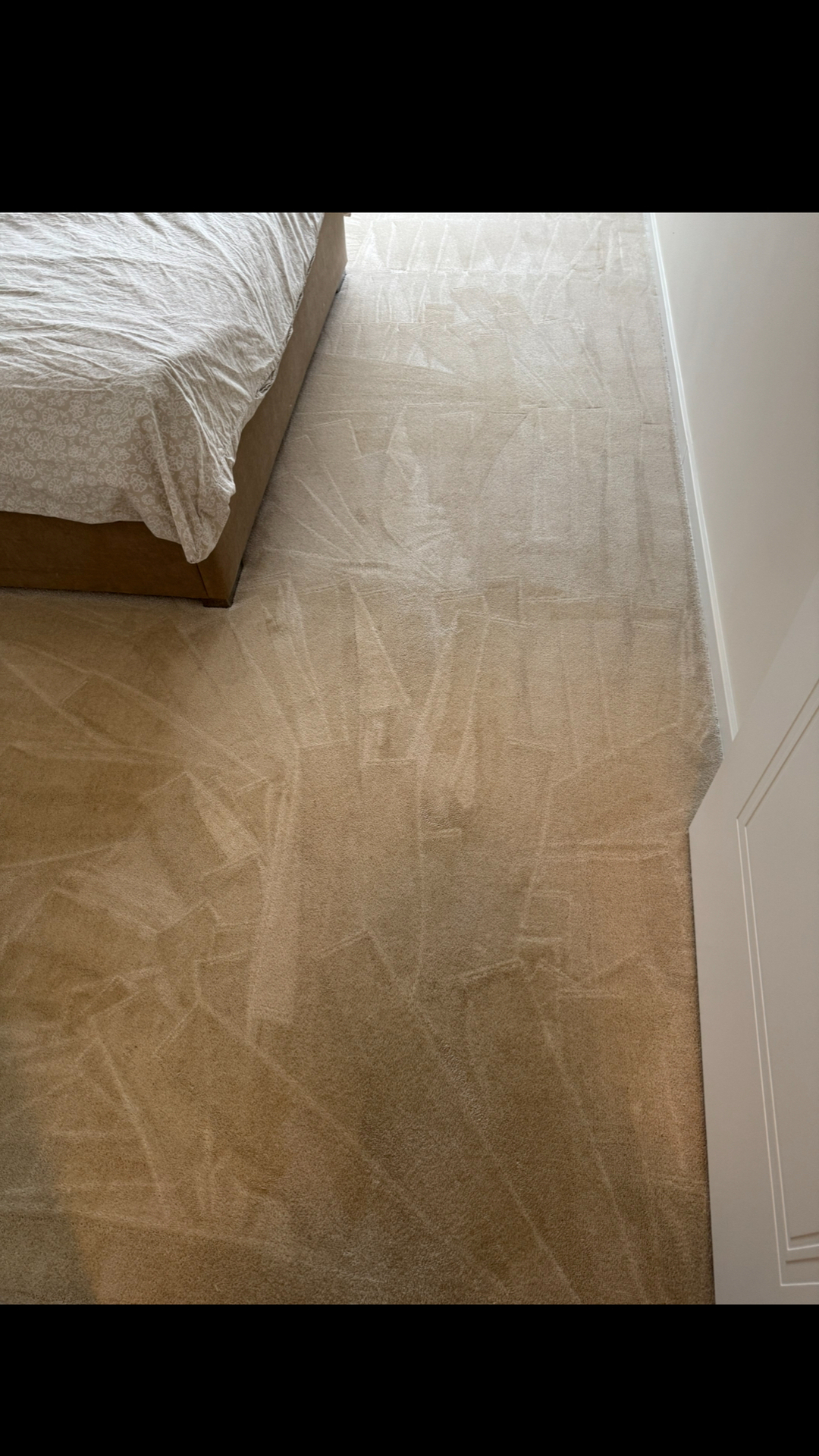
- Plan textiles in riverside and park areas In Riehl, Rodenkirchen, Bayenthal and Klettenberg, walks, dogs and bicycles bring more particles into carpets, mattresses and sofa upholstery.
- Time wet areas in family houses In Porz, Lövenich, Longerich and Sürth, the kitchen, guest toilet, main bathroom and entrance area show use fastest when several people live together.
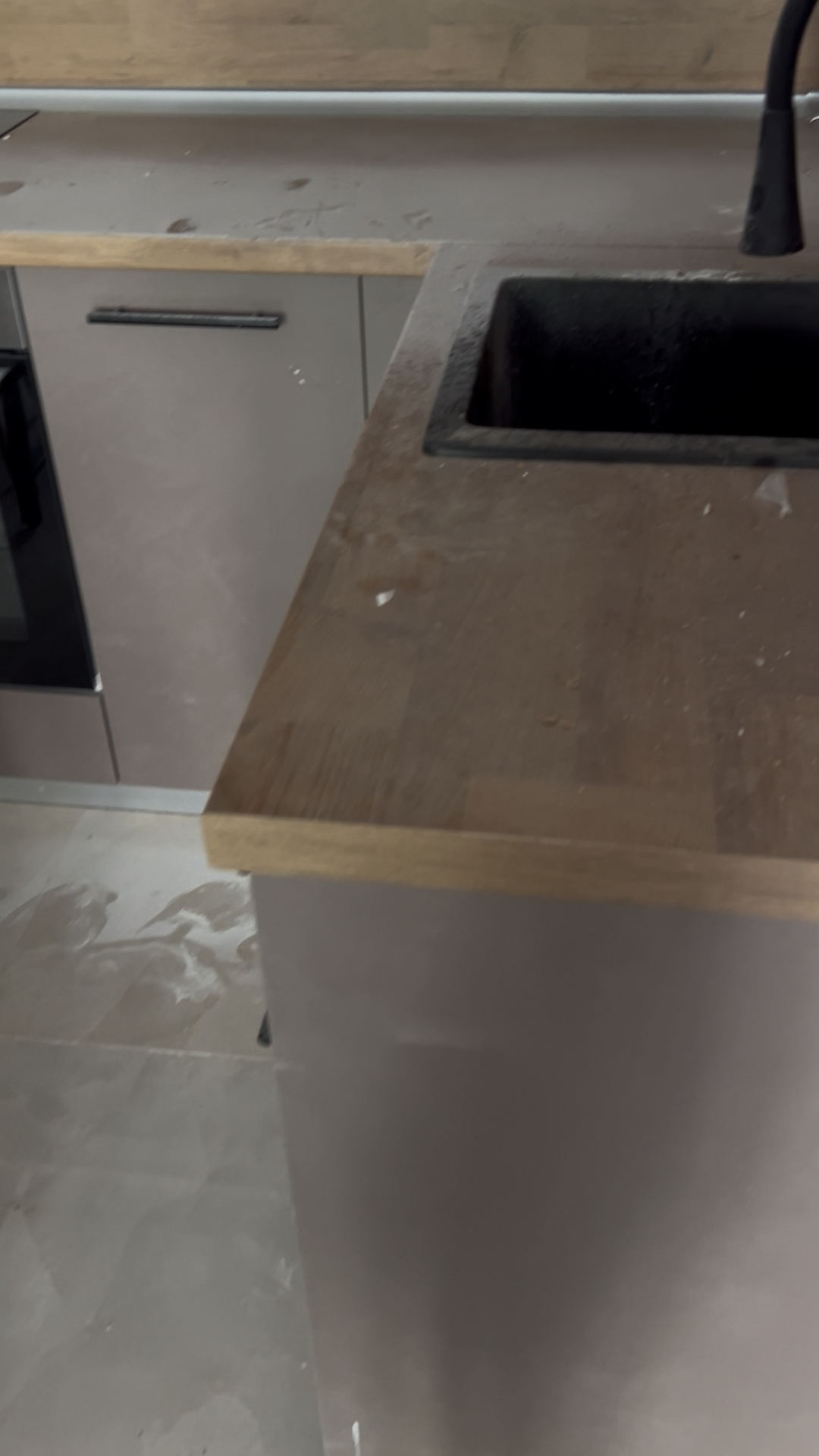
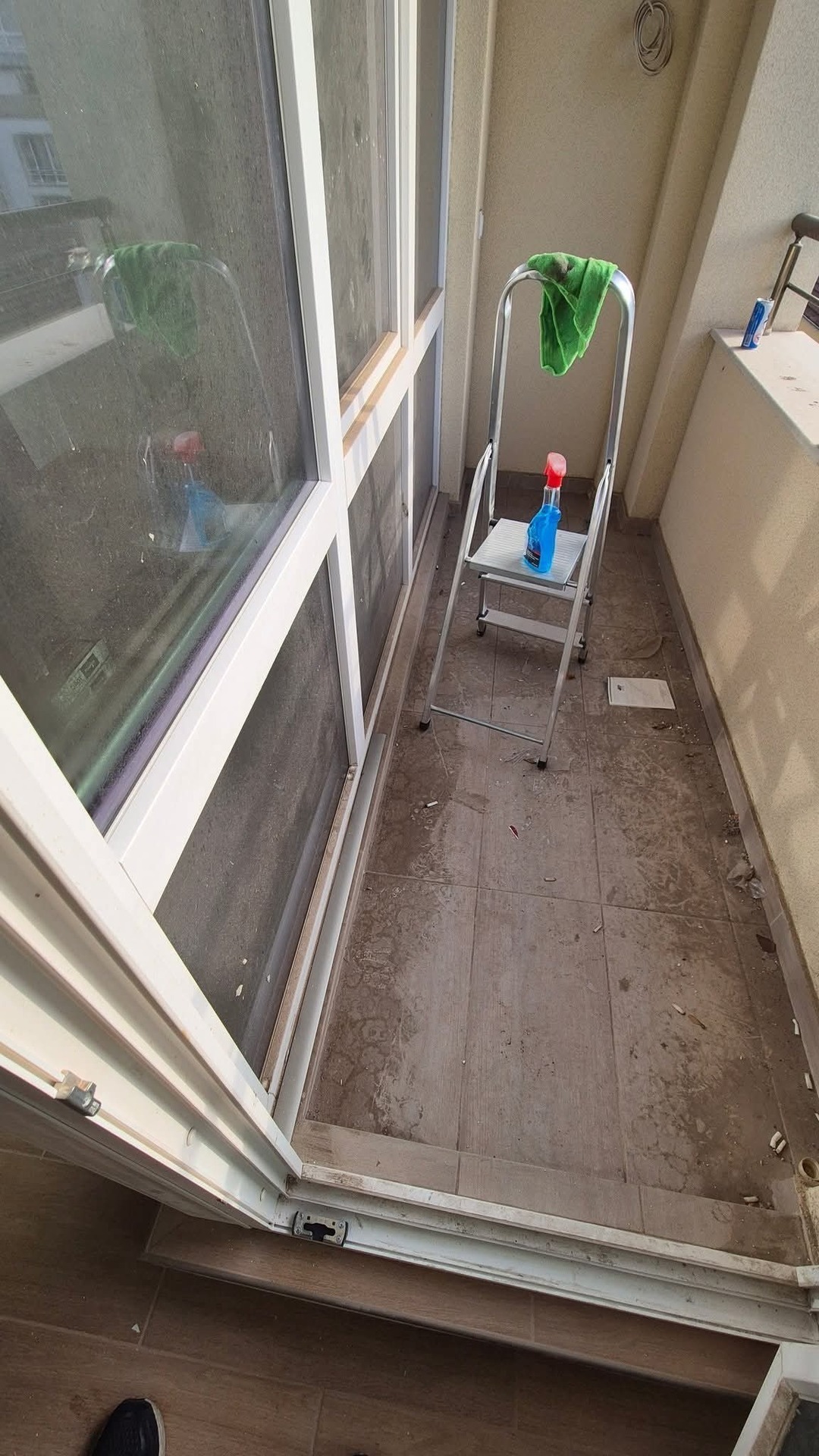
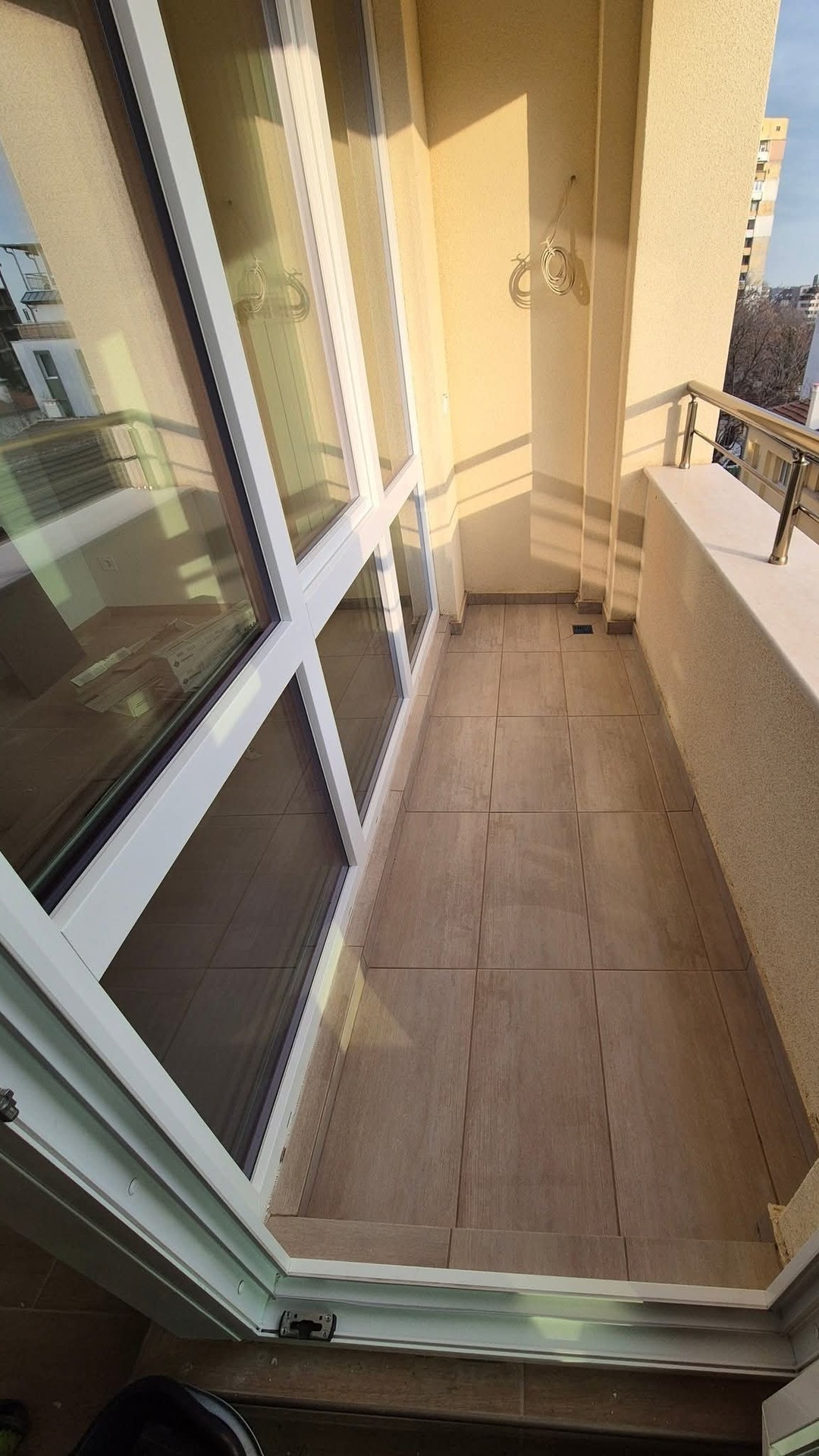
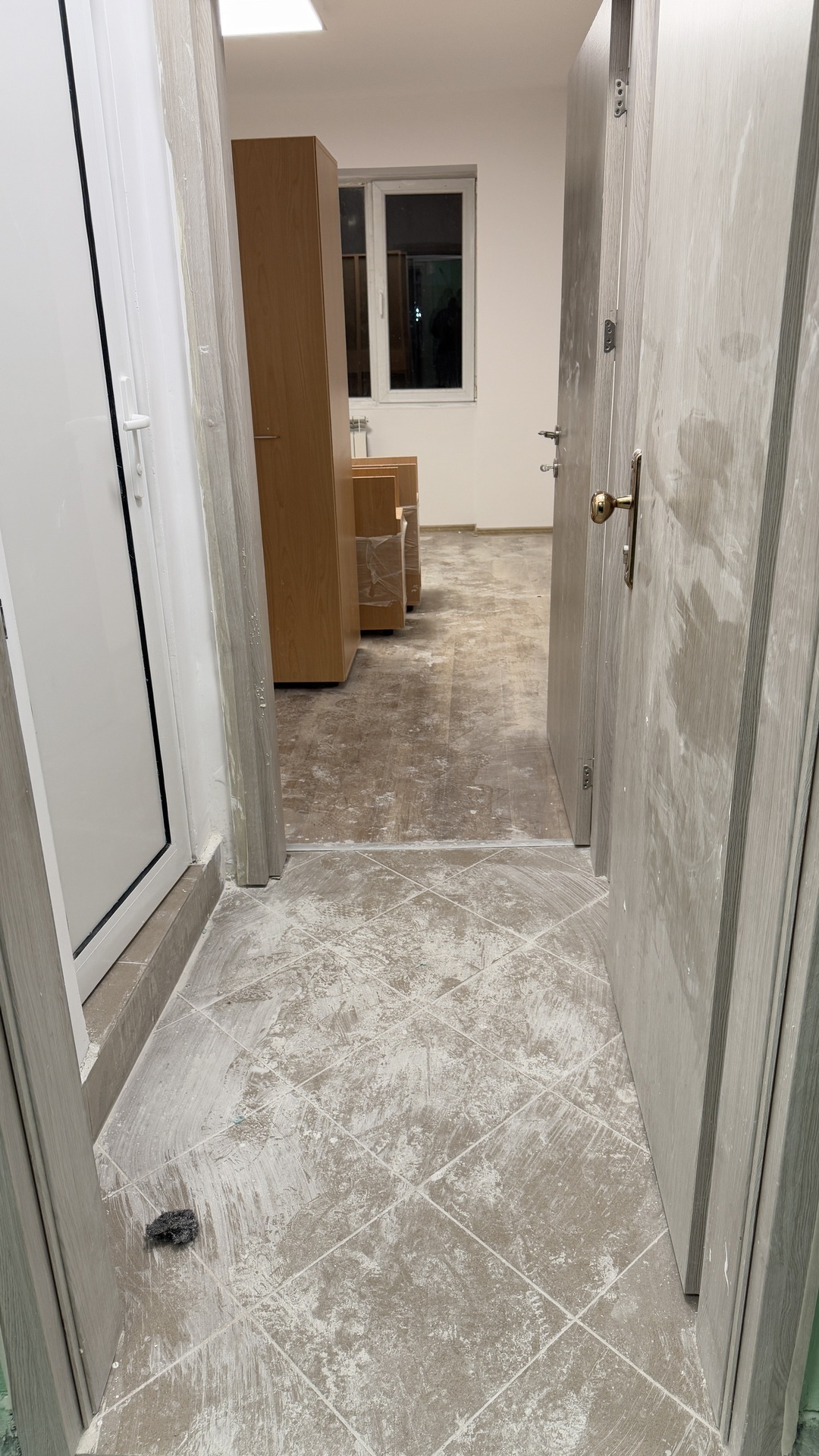
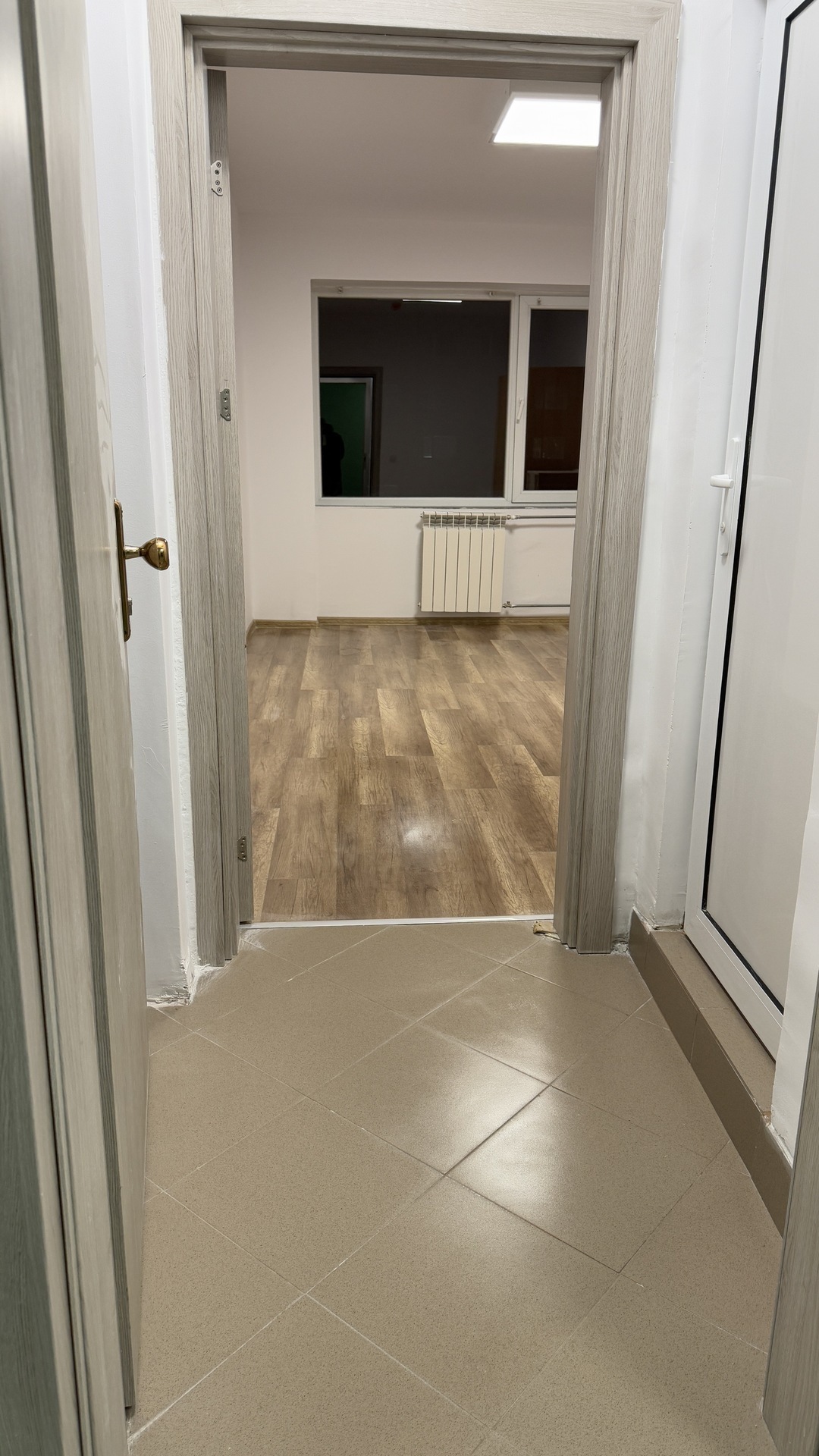
- Treat new-build homes after construction phases In growing neighbourhoods, fine building dust, silicone haze and label residue often stay visible on tiles, glass and fitted kitchens longer than coarse debris.
Seasonal peaks: Carnival, semester starts, moves and visitors
Cologne’s calendar has a direct effect on private homes. Around Carnival, Christmas markets, trade fair weeks and summer weekends, friends and relatives sleep on sofa beds more often, bathrooms get heavier use and kitchens collect glasses, returnable bottles and costume pieces. Cologne Tourism reported around 4.25 million guests and 7.22 million overnight stays in hotels in 2025; private households also feel that visitor rhythm when people stay with locals.
The universities set another clear rhythm. The University of Cologne lists the start of lectures for summer semester 2026 as 13 April 2026 and for winter semester 2026/27 as 12 October 2026. Before these dates, many people move in, set up shared flats or hand over rooms. That is typical timing for bathroom cleaning, oven cleaning, fridge cleaning and move out cleaning.
Renovations often cluster before new tenancies, after ownership changes or before moving into a freshly modernised flat. Standard wiping is not enough then: drilling dust sits on door frames, around sockets, on tile edges and inside drawers. For those cases, deep cleaning works when the home remains furnished, while a post-renovation clean is better after small building works.
Broad home cleaning for kitchens, bathrooms, glass, upholstery and floors
Residential cleaning in Cologne covers more than vacuuming and mopping. In an older apartment near Rathenauplatz, a bathroom with aged grout can take the most time; in a new-build flat in Deutz, glass, taps and open kitchen fronts may be more delicate. In houses on the edge of the city, patio doors, children’s rooms, guest rooms and upholstered furniture add to the plan. When booking professional house cleaning, tasks can be grouped by room, surface and season.
A practical order works well: dry dusting first, then kitchen and bathroom, followed by glass, upholstery or mattresses, and floors last. For Cologne homes under about 50 square metres, a short recurring appointment is often enough, while households with three or more rooms, or homes after renovations, usually need longer slots. Bookings can be arranged as one-off, weekly, fortnightly or before fixed dates such as a handover, visitor weekend or semester start.
 WORK
WORK