


Hamburg homes need a cleaning rhythm that fits the water
Hamburg is large, densely lived in, and damp: 1,862,565 people lived in the city at the end of 2024, and many households share fairly compact living space. For private apartments and houses, that means kitchens, bathrooms, hallways, and window sills show use faster than they would in a larger detached home outside the dense city.
The maritime climate is part of daily housekeeping. Hamburg’s official page on climate development in Hamburg tracks temperature, rainfall, and sunshine as key weather data for the city over recent decades. In practical terms, this shows up as wet coats in the hallway, moisture on bathroom grout, quicker dust films on window frames, and more floor cleaning after rainy days.
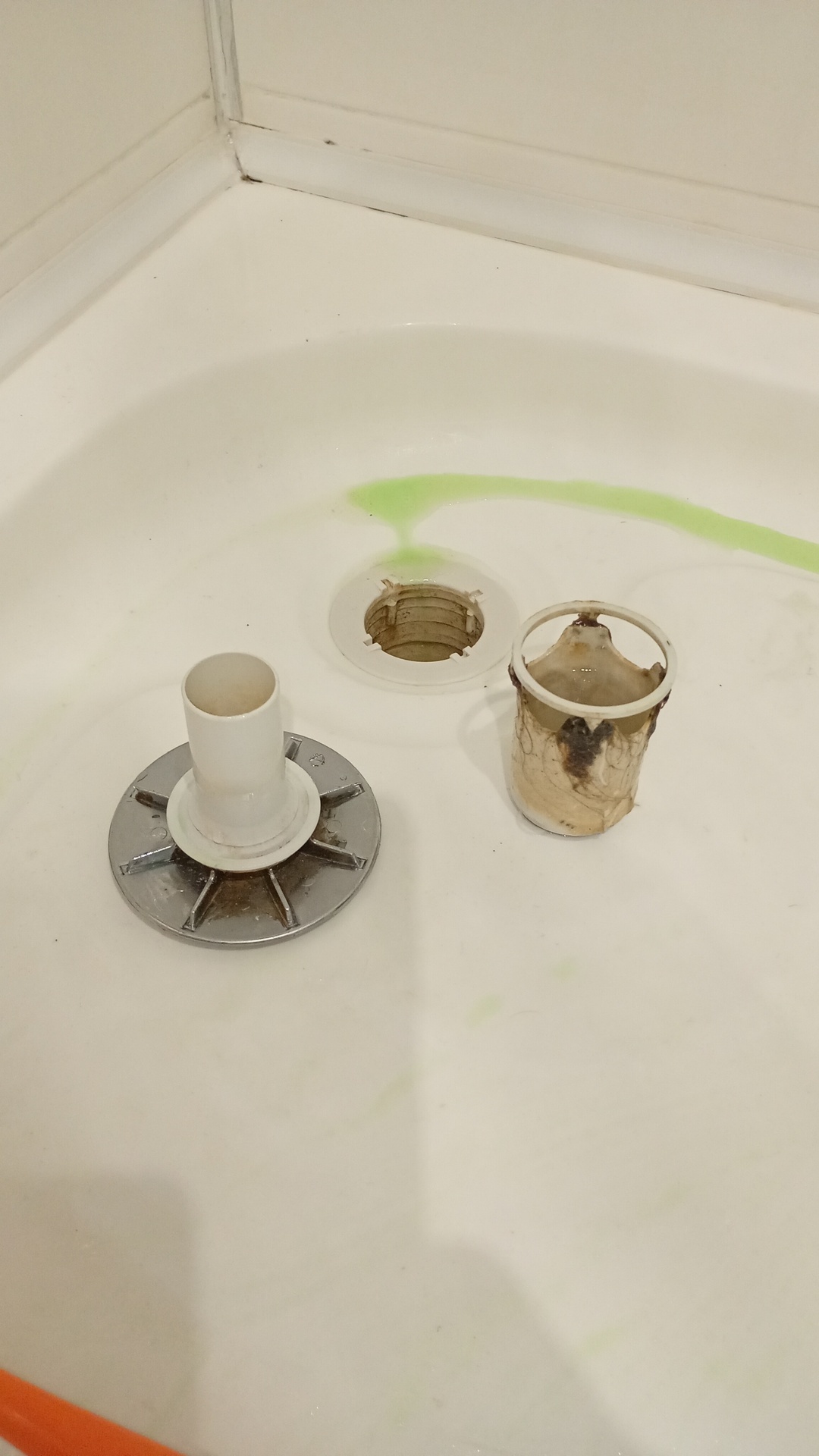
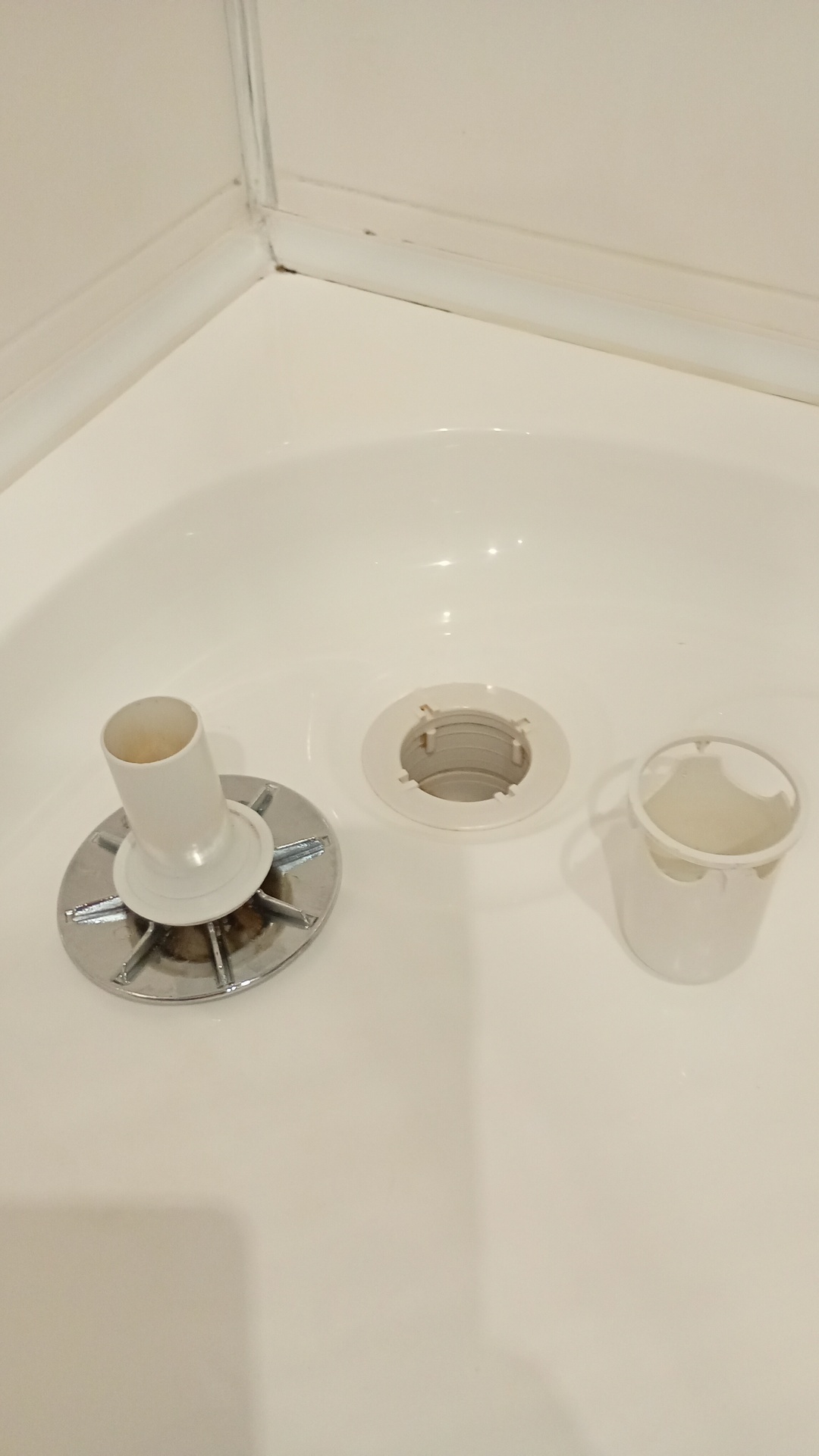
- Bathroom moistureInternal bathrooms in Eimsbüttel, St. Georg, or Barmbek often stay damp for longer; regular descaling and drying help prevent dark deposits around grout and silicone.
- Hallway dirtWet shoes, bicycles, and pushchairs bring sand, leaves, and street dirt into old-building hallways and narrow apartment entrances.
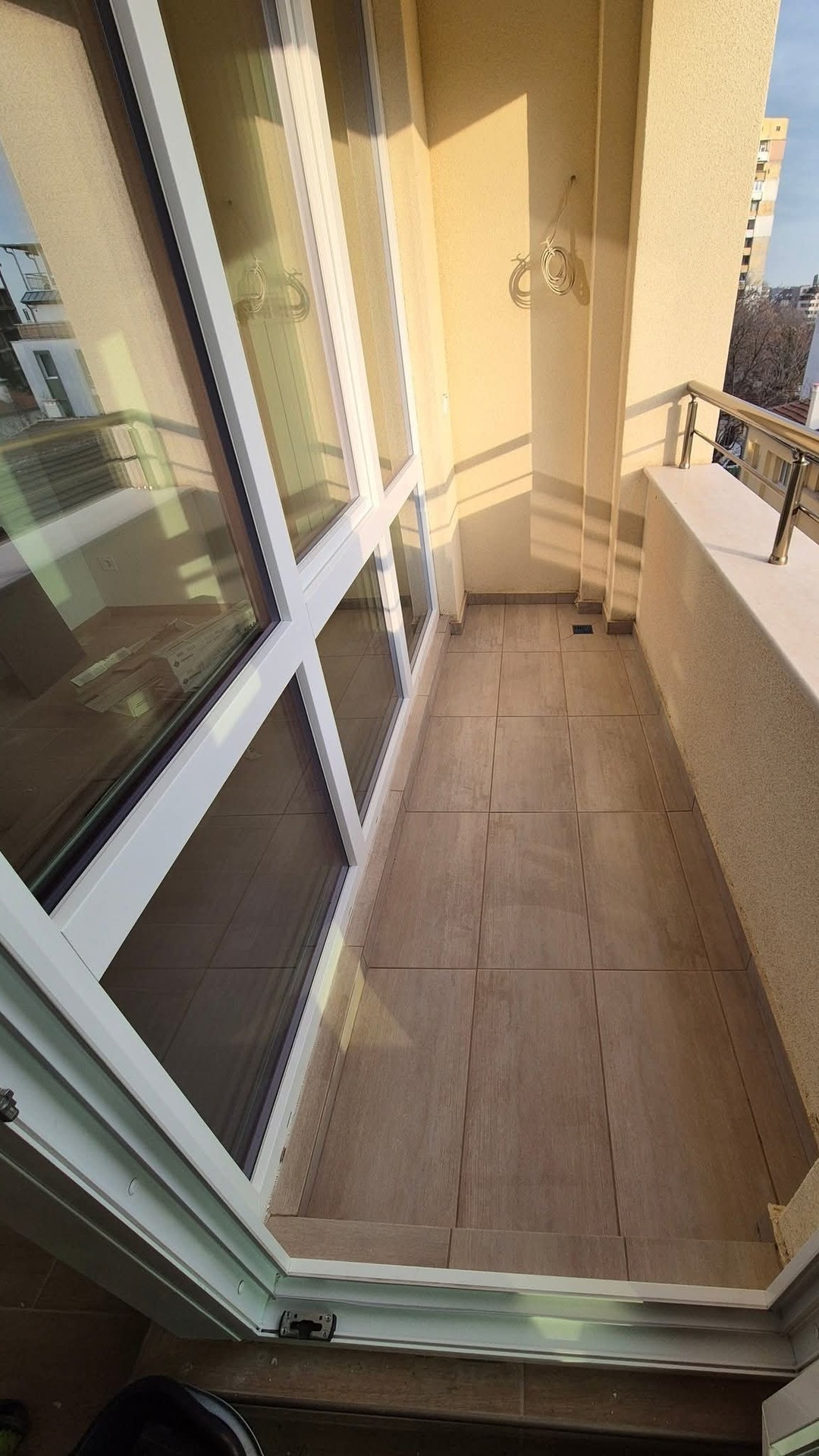
- Window surfacesIn bright homes near the Alster, the Elbe, or HafenCity, water marks and pollen on glass become visible very quickly.
Old buildings, new builds, townhouses: the layout sets the workload
Hamburg’s housing stock is mixed: Wilhelminian-era apartments in Altona, Eppendorf, and Hoheluft, post-war flats in Barmbek and Hamm, newer developments in HafenCity, and family houses in Rahlstedt, Volksdorf, Bergedorf, or the Elbe suburbs. According to the Statistical Office for Hamburg and Schleswig-Holstein, there were 998,363 dwellings in Hamburg at the end of 2023; the average dwelling size was 76.4 square metres, and single- and two-family houses made up around 20 percent of dwellings.
In real homes, square metres are only one part of the work. Older apartments often have high skirting boards, gaps in wooden floors, panelled doors, and radiator niches. New builds bring floor-to-ceiling windows, open kitchens, and sensitive matte surfaces. Houses on the edge of the city add stairs, utility rooms, children’s bedrooms, patio doors, and busier entrances.
That is why many households do better with a blend of regular cleaning and targeted add-ons rather than one rigid plan. A 55-square-metre apartment in Ottensen may need the kitchen, bathroom, and floors prioritised; a townhouse in Farmsen-Berne may need bathrooms, stairs, dusting across several levels, and more detailed care around the dining and living areas.
City dust, harbour air, and plenty of glass
Hamburg is a harbour city, a commuter city, and a city with ongoing building work. The environmental authority lists road and ship traffic, industry, energy generation, and building heating as relevant sources of air pollution; Hamburg’s air monitoring network has collected data since 1984, as shown in the report on air quality in Hamburg. Inside homes, this is usually not one dramatic issue but a recurring film on window sills, shelves, screens, and kitchen fronts.
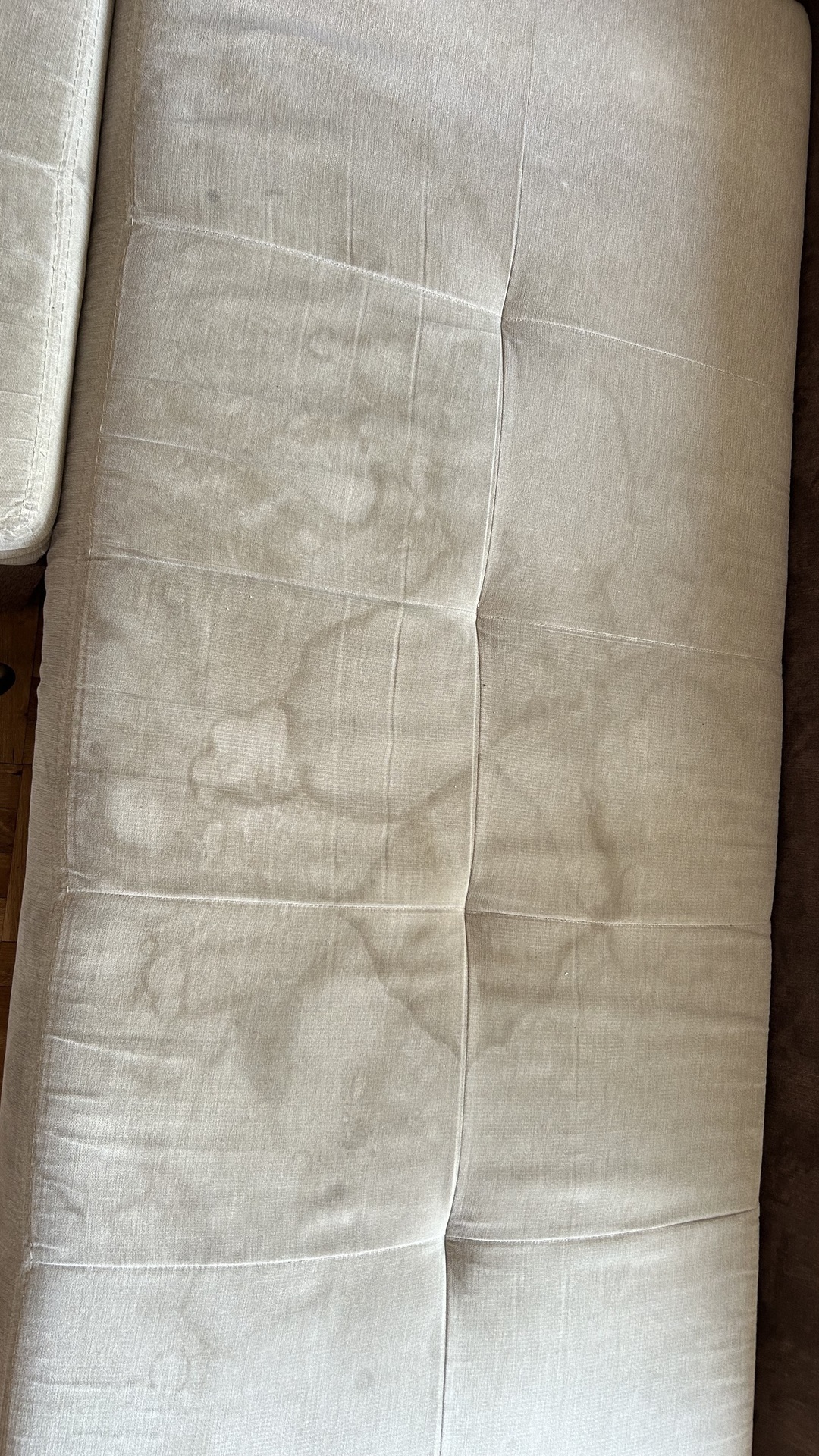
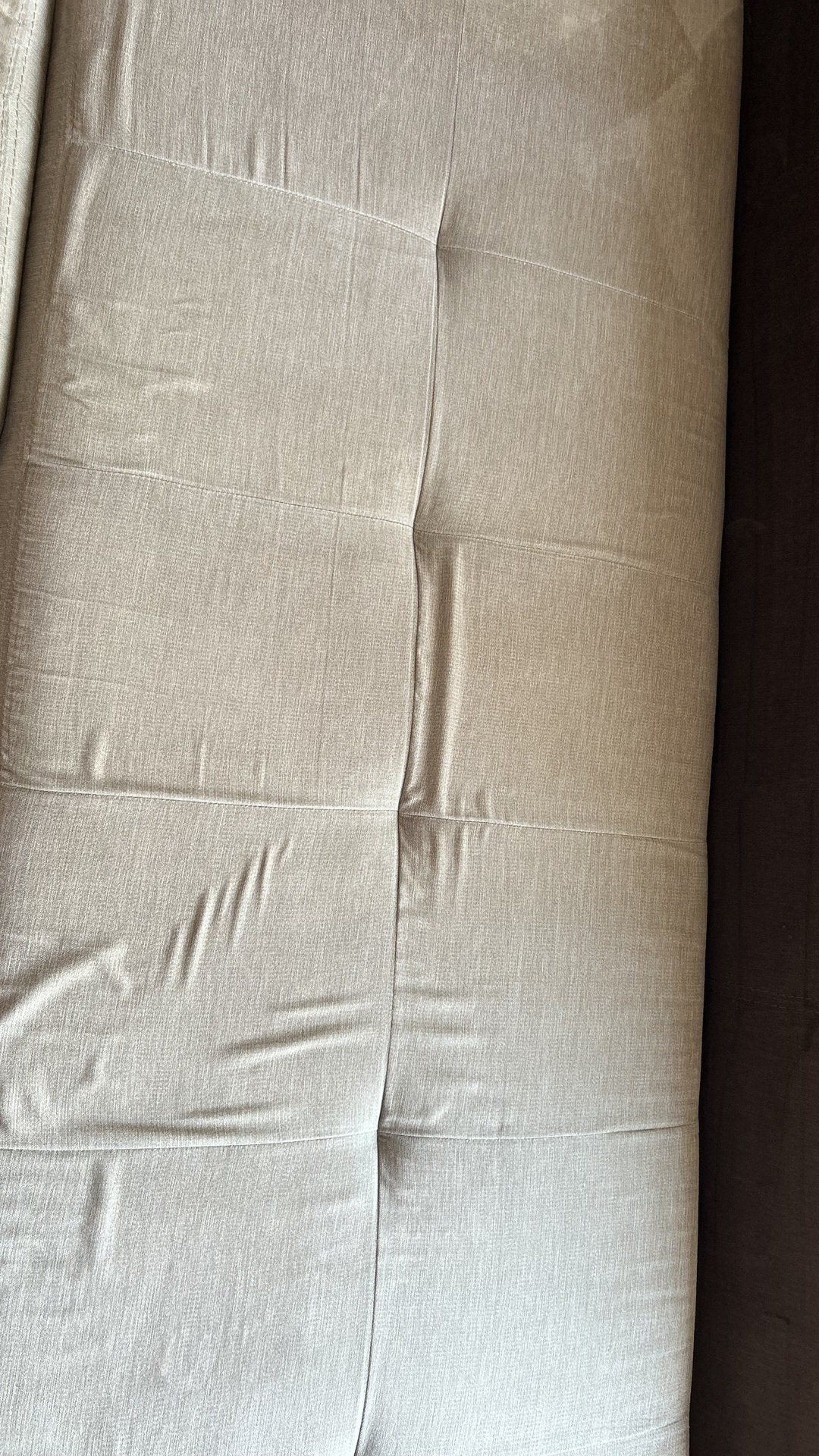
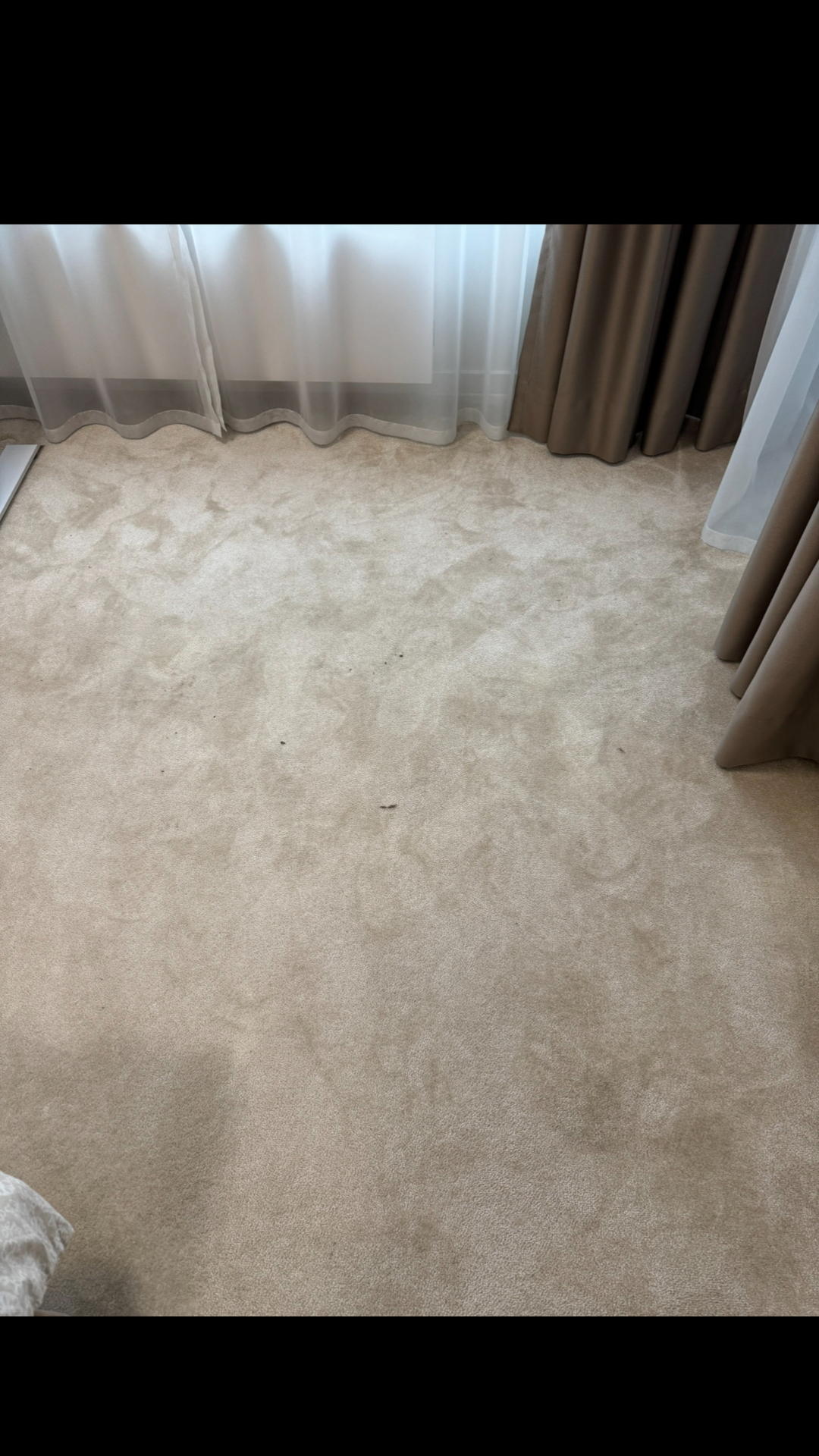
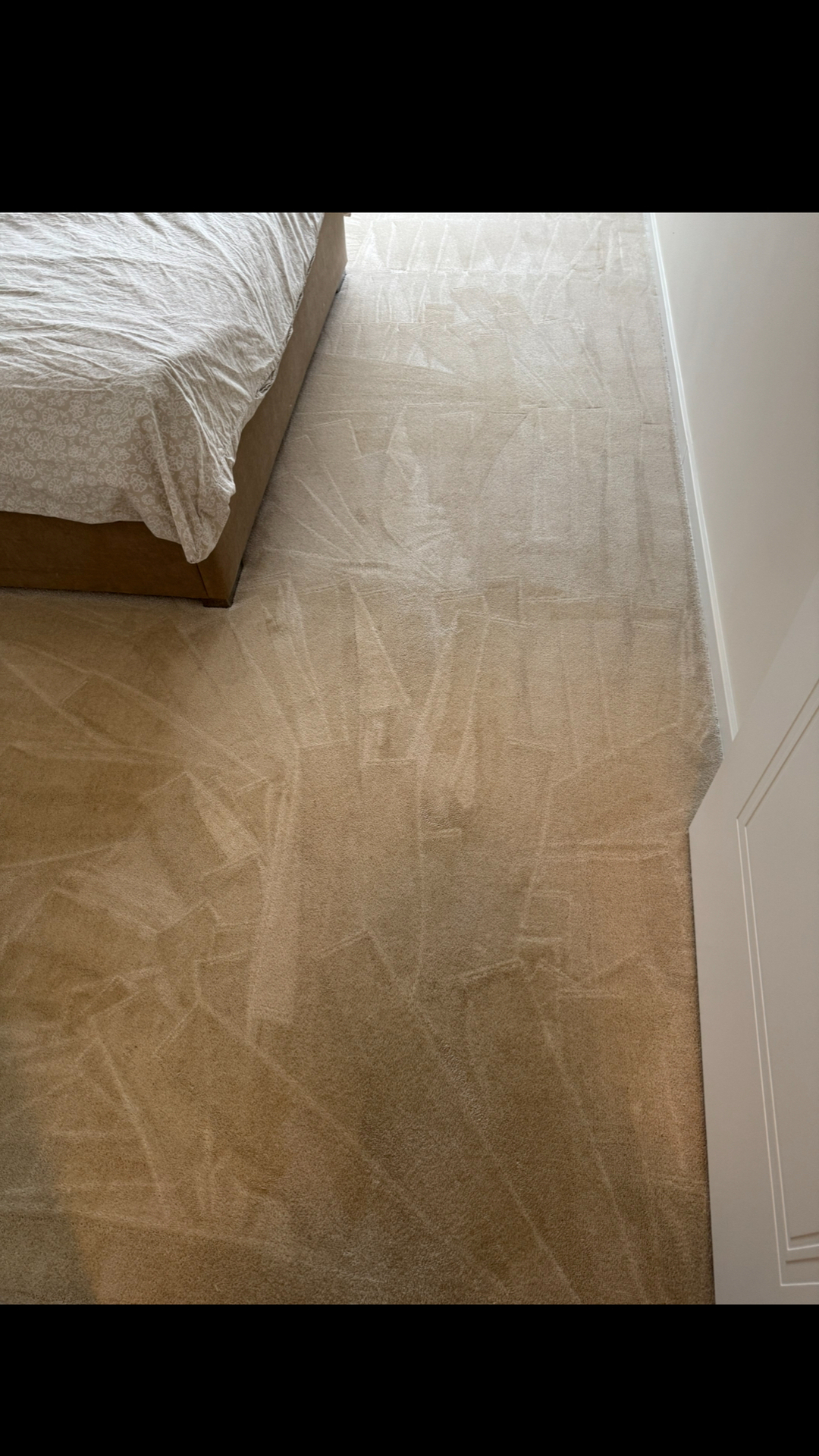
Along busy streets in Altona, Eimsbüttel, Winterhude, Wandsbek, or near larger arterial roads, a steady routine for dust, glass, and textiles pays off. Upholstery, curtains, carpets, and mattresses hold fine dirt for longer than hard floors. Homes close to water also tend to show limescale and water marks more quickly on windows, taps, and shower screens.
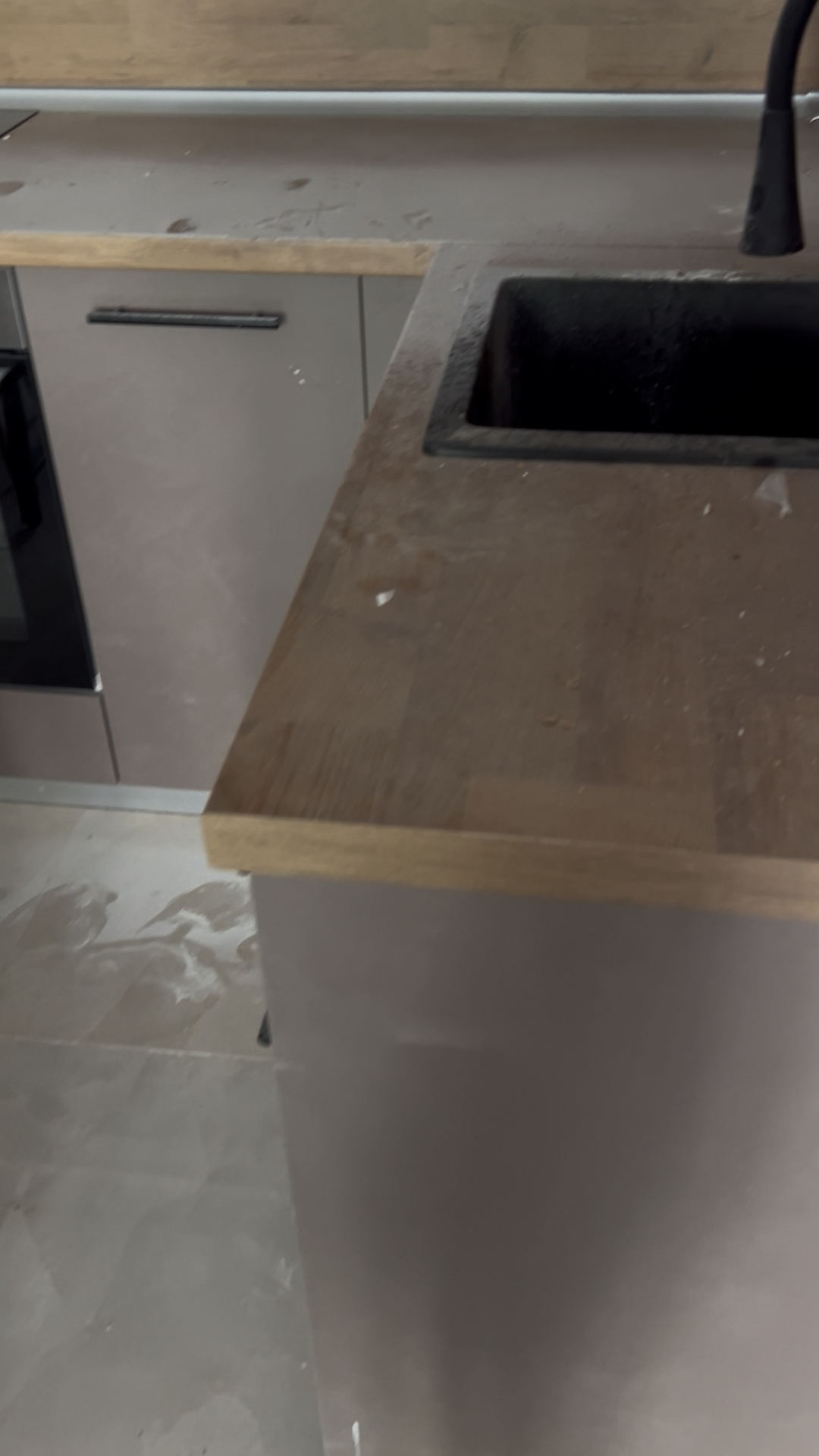
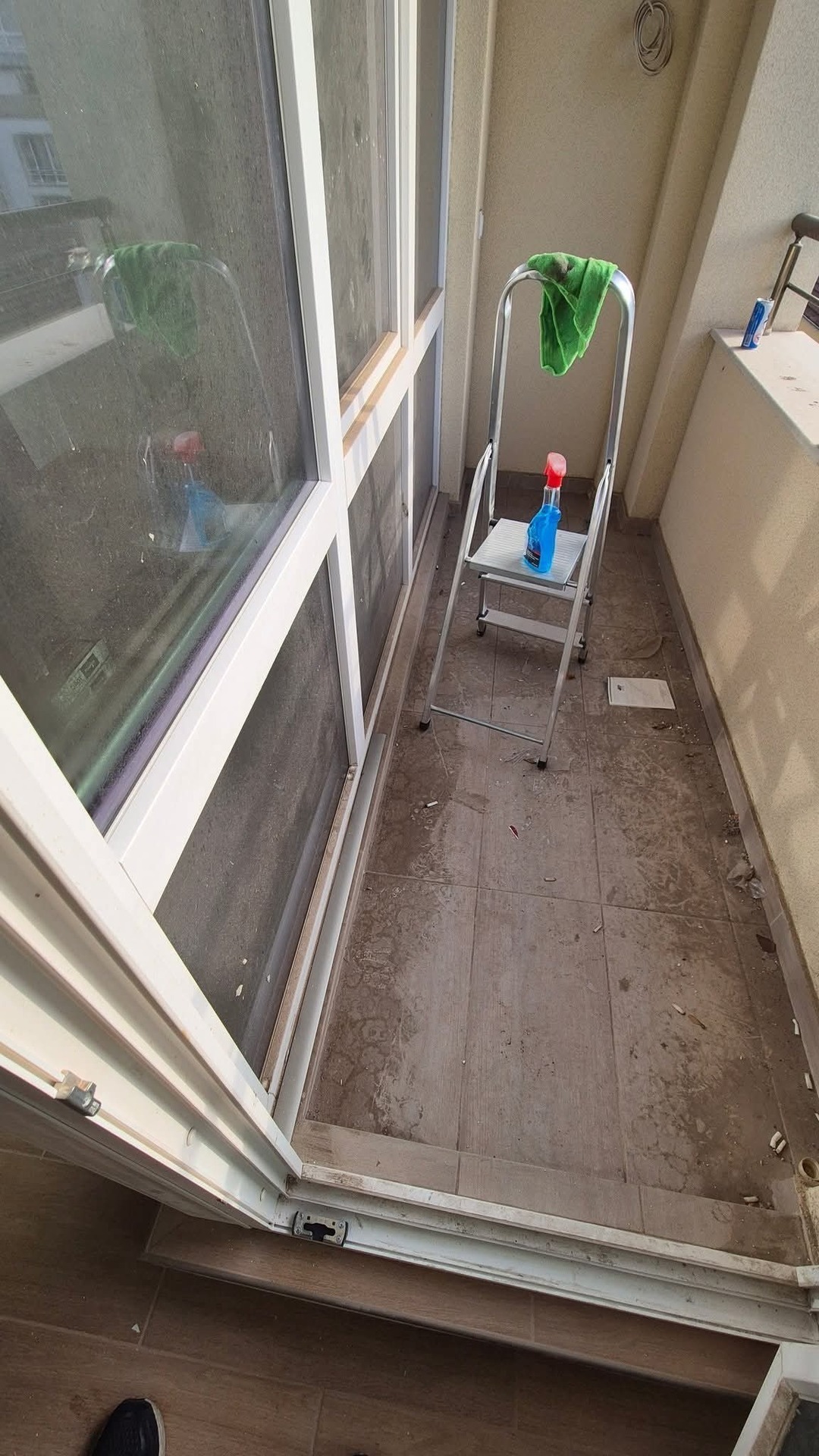
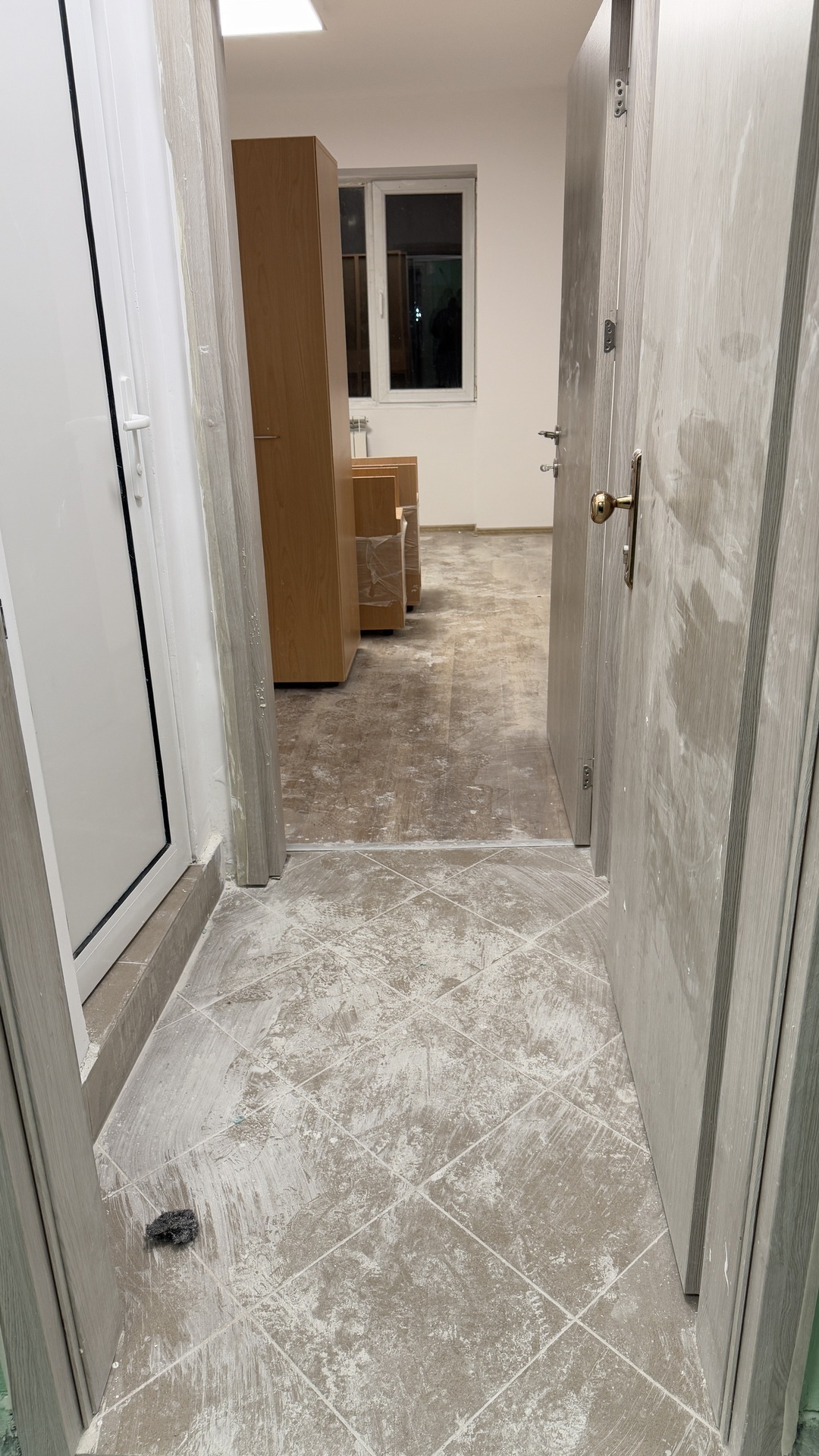
That is why general home cleaning, window cleaning, bathroom care, oven cleaning, and upholstery care are often combined in Hamburg bookings. After renovation work in an older apartment, construction dust can settle in joints, on door frames, and around radiators; at that point, deep cleaning is usually more realistic than a standard wipe-down appointment.
When private households in Hamburg clean more often
Cleaning demand in Hamburg follows clear seasonal patterns. After winter, grit, wet shoe marks, and heating dust remain. In spring, pollen lands on window sills and balconies; in summer, there are more visitors, open windows, and evenings on balconies or terraces. In autumn, leaves, rain, and mud return, especially in ground-floor flats and houses with gardens.
- March to May Many households plan a more thorough clean covering windows, bathrooms, kitchens, and upholstery once brighter days make dust and streaks easier to see.
- July and August Hamburg is busy with visitors: in August 2024, accommodation providers reported 1,592,000 overnight stays. Private households also clean more often before guests, family gatherings, or longer trips away.
- Late March and late September Around semester changes, training starts, and new jobs, many shared flats and small households move; cleaning for deposits, handovers, and listing photos becomes very time-sensitive.
- November and December Before the holidays, kitchens, ovens, bathrooms, and guest areas move up the list because people cook more, host more, and prepare sleeping space for visitors.
From St. Pauli to Bergedorf, daily life inside the home matters
In St. Pauli, Sternschanze, and Ottensen, many homes are compact, central, and heavily used: shoes stay near the entrance, bicycles may be kept indoors, and kitchens are often open to the living area. A clear sequence works well there: surfaces and bathroom first, kitchen next, floors last, so dust and crumbs are not spread twice.
In Winterhude, Eppendorf, and Uhlenhorst, larger old-building apartments with parquet floors, tall shelving, and generous daylight are more common. Dusting, wood care, and glass surfaces take more time in these homes. In Wandsbek, Rahlstedt, Bergedorf, Poppenbüttel, or Blankenese, family households often add children’s rooms, multiple bathrooms, stairs, and garden access. A move out cleaning appointment there is usually more extensive than in a one-room apartment near the university.
When booking professional cleaning for private homes in Hamburg, it helps to state the number of rooms, living area, floor types, pets, balcony, window count, and any specific add-ons right away. From that, it is easier to judge whether two hours are enough for the bathroom, kitchen, and floors, or whether four to six hours are more realistic for a detailed clean with oven, upholstery, windows, and cupboards.
 WORK
WORK