


Why Munich homes need a different cleaning rhythm
Munich is dense, expensive and built in many different layers: old apartments in Maxvorstadt, compact flats in Schwabing, family homes in Neuhausen-Nymphenburg, terraced houses in Trudering, detached houses in Pasing or Aubing-Lochhausen-Langwied. Since Munich became a city of 1.6 million residents at the end of October 2024, many households live on limited floor space. That affects cleaning directly: dust settles faster on open shelving, kitchens are used more intensively, and limescale marks show earlier in small bathrooms than in larger suburban houses.
In central districts such as Altstadt-Lehel, Ludwigsvorstadt-Isarvorstadt and Schwanthalerhöhe, cleaning often means working efficiently in apartments with little storage space. In Bogenhausen, Harlaching, Obermenzing and Solln, larger window areas, patio doors, guest rooms and multiple bathrooms are more common. Planning professional cleaning in Munich is therefore less about one city-wide formula and more about the home itself: square metres, flooring, number of windows, daily use and season all shape the workload.
- Period apartments in the centreHigh ceilings, decorative mouldings, parquet, floorboards and radiator niches add time to dusting and detail work.
- Flats near the Mittlerer RingHomes close to heavy traffic collect fine dirt, tyre residue and soot more quickly on sills and floors.
- Houses in the greener west and southGardens, terraces, pets and prams bring more soil, pollen and moisture into hallways and living areas.
Climate, pollen and the Munich seasons at home
Munich’s climate has enough Alpine influence to keep homes busy: damp winters, sudden foehn spells, warm summers, heavy rain and long pollen periods. The city identifies changes in annual precipitation patterns and more heat events as relevant urban-climate factors, while the German Weather Service uses 30-year averages for climate values. In apartments and houses, those patterns show up on windows, frames, mattresses, upholstery and bathroom grout.
- Spring in Munich Birch and grass pollen settle on window frames, curtains, sofas and mattresses, making thorough dust and textile care useful.
- Summer after storms Open windows bring in pollen, street dust and moisture; silicone joints in bathrooms and kitchens dry more slowly.
- Autumn around Oktoberfest More guests, traditional clothing, shoes and late returns from events increase the cleaning load in hallways, bathrooms and kitchens.
- Winter with grit and slush Shared building areas are outside the service scope, but inside the home salt marks, small stones and moisture collect near the entrance.
After winter, spring cleaning is especially practical: radiators, skirting boards, inside windows, kitchen cupboards and upholstery can be handled systematically before balcony season and Isar weekends begin.
Housing pressure, moving dates and thorough cleaning
Munich’s housing market creates clear cleaning peaks. In 2024, the city’s statistical office recorded 113,142 people moving within Munich, alongside substantial moves into and out of the city. The 2025 rent index lists an average net cold rent of €15.38 per square metre, so new lets and handovers are often inspected closely: ovens, taps, grout, windows, floors and built-in cupboards stand out immediately.
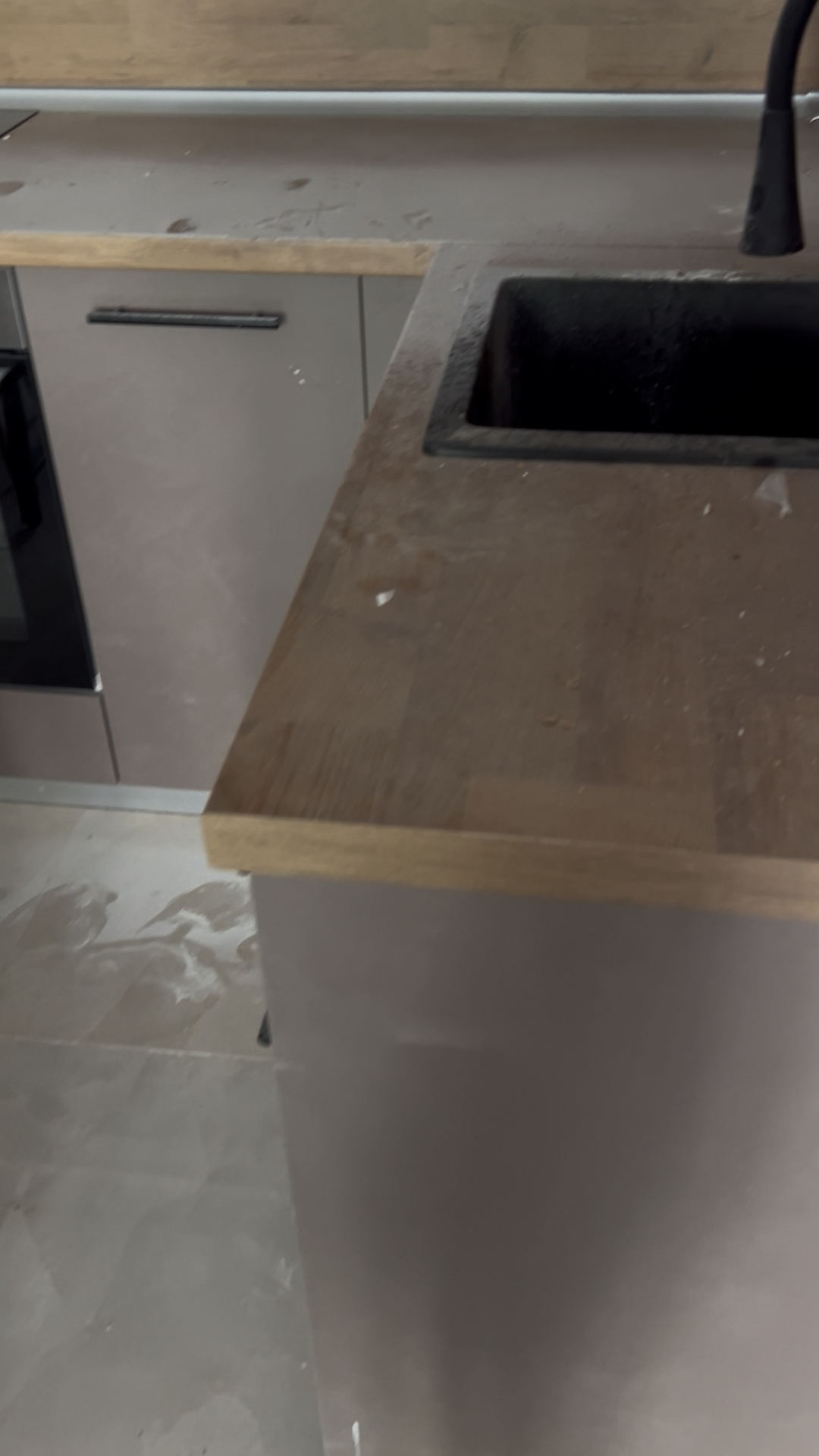
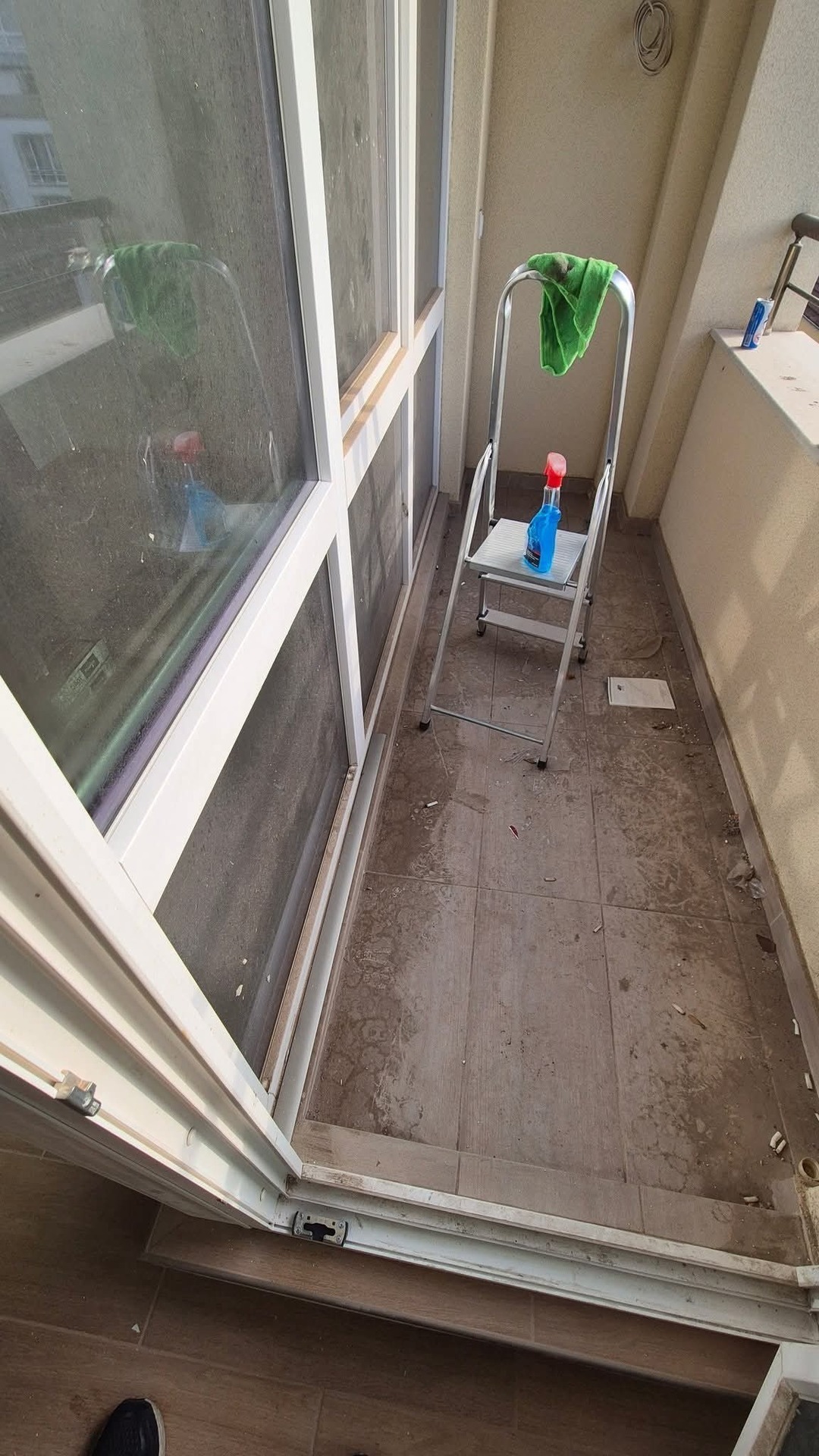
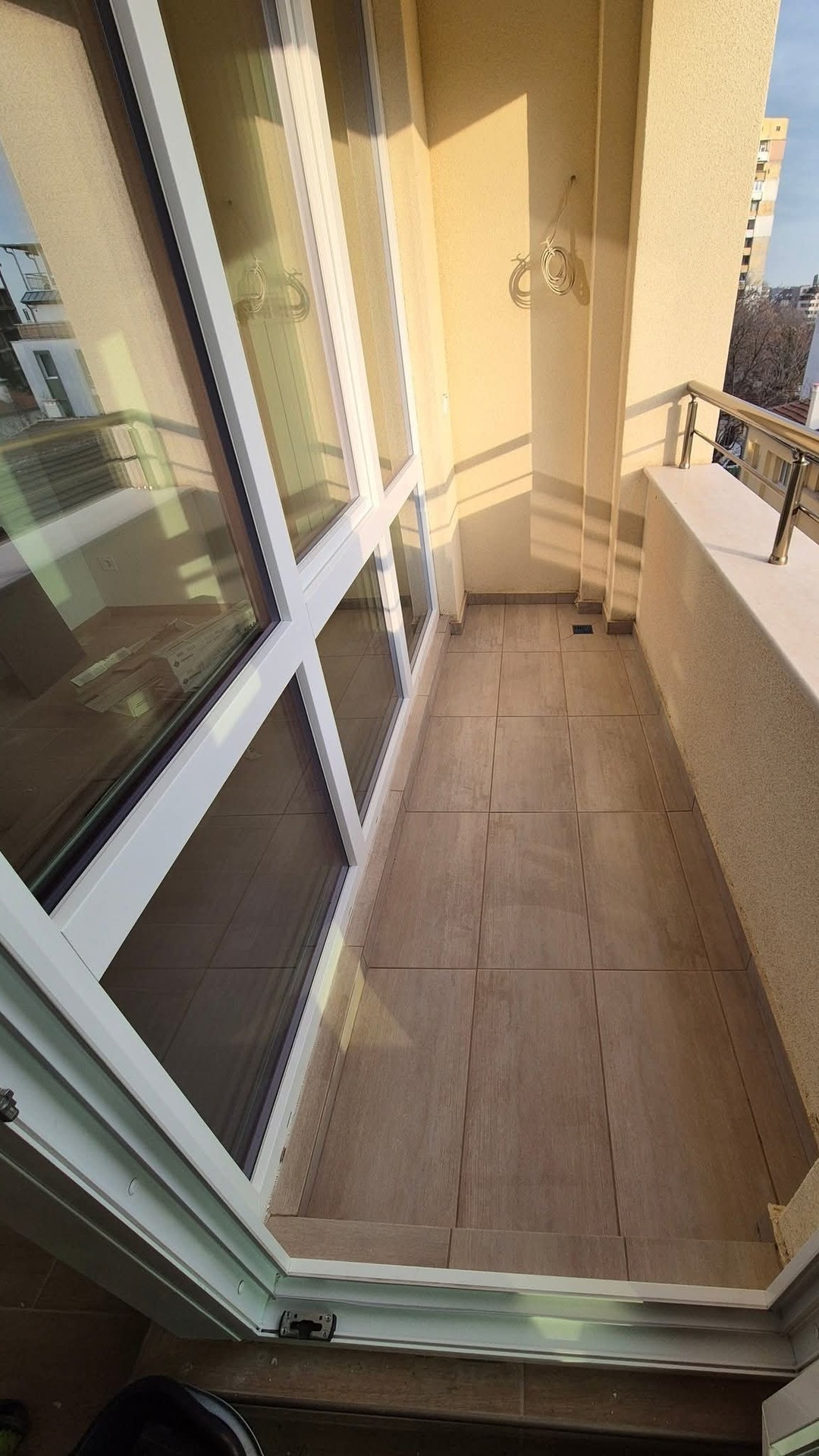
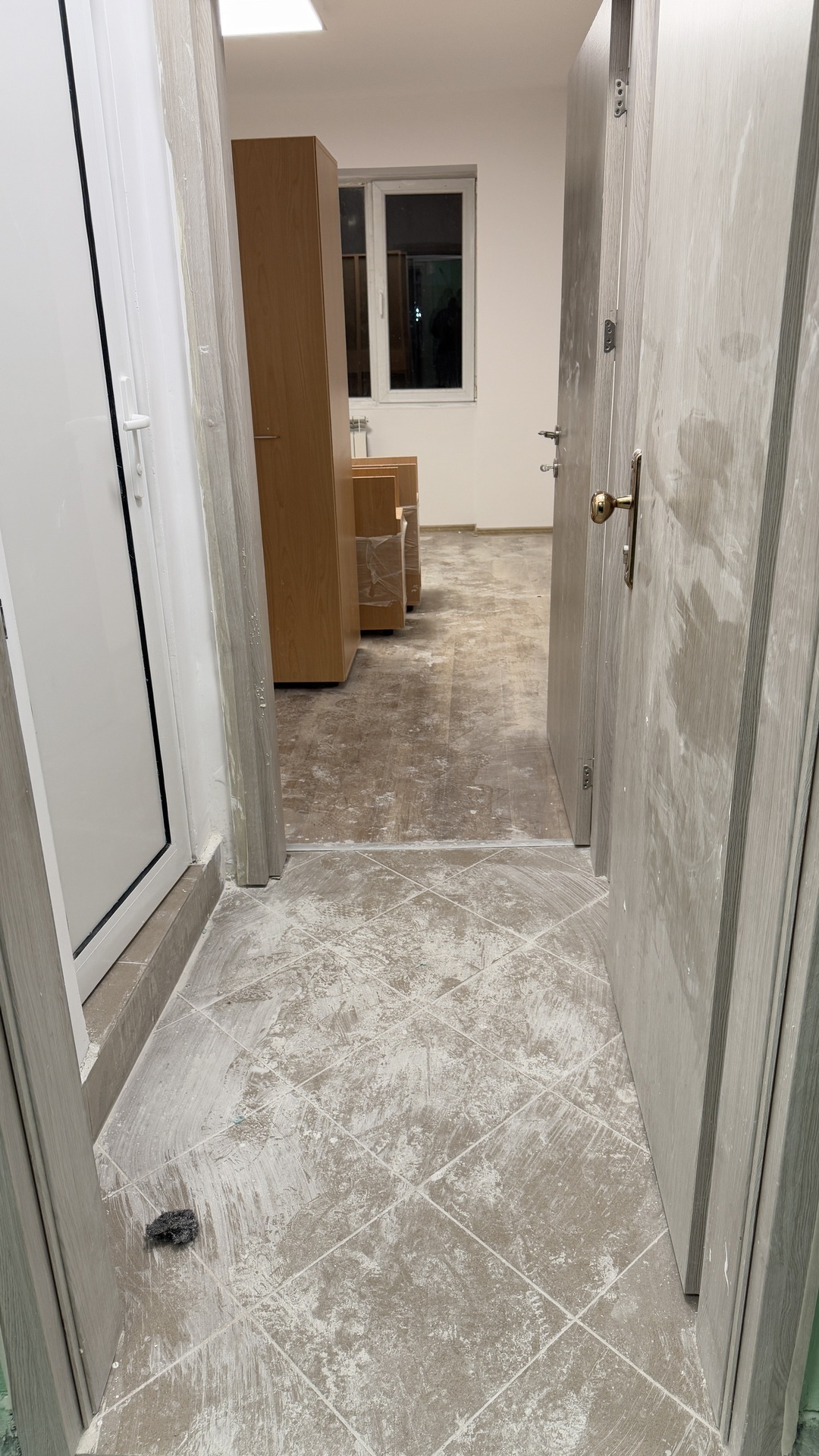
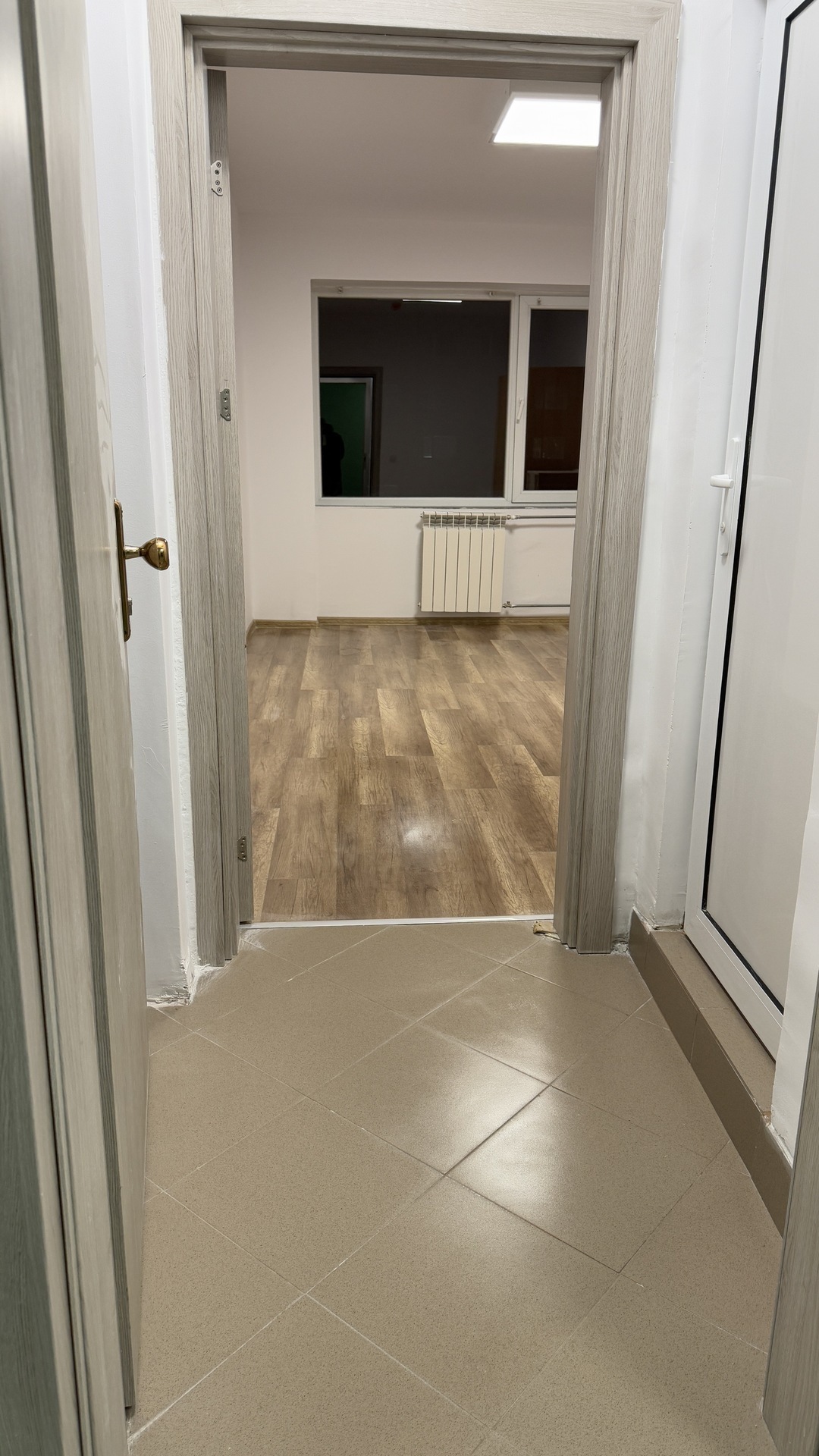
The work differs sharply between moving out, buying, and entering a newly renovated property. An empty flat in Sendling needs different steps from a lived-in family apartment in Moosach or a freshly renovated house in Trudering. Move out cleaning focuses on handover surfaces, kitchen, bathroom, windows and floor edges; cleaning after renovation removes fine drilling dust from doors, skirting boards, sockets, radiators and cupboard tops.
For occupied homes, a regular rhythm is often enough when the kitchen, bathroom and floors are maintained weekly. After building work, guest stays or long tenancy periods, deep cleaning is more suitable because it reaches the areas that routine cleaning rarely covers.
Tourism, universities and changing households
Munich has many temporary living situations: students, expats, project workers, commuter households, sublets and furnished apartments. Across Munich’s higher-education location, 110,366 students were enrolled in winter semester 2024/2025. There are also households that move between the city and surrounding employment hubs such as Garching, Freising, Martinsried, Unterhaching and the western suburbs.
Tourism also affects private homes, especially when guest rooms, sofa beds or temporarily rented living spaces are used. The 2024 tourism year brought 19.7 million overnight stays in Munich’s commercial accommodation, while Oktoberfest 2024 counted 6.7 million visitors on the Theresienwiese. In homes around Ludwigsvorstadt, Isarvorstadt, Westend, Sendling and near the main station, that period often means more laundry, heavier bathroom use, more kitchen work and more dirt on floors.
- Semester startsOctober and April bring move-ins, flatshare changes, mattress changes and extra demand for bathroom and kitchen cleaning.
- Guests at homeSofa beds, dining areas, fridges, bathroom mirrors and towel zones need extra attention after short stays.
- Oktoberfest weeksHallways, shoe areas, upholstery, bathrooms and ovens are used more heavily, especially in homes close to the centre.
What becomes visible fastest in Munich homes
Munich’s air quality has improved overall: the city reported that in 2024 the annual mean limit for nitrogen dioxide was met at all measuring points for the first time, and particulate-matter limits have been met since 2012. Even so, homes near traffic, construction sites, pollen and dry heating periods still show the effects indoors. Window sills near Landshuter Allee, Stachus, Tegernseer Landstraße and major arterial roads usually need more frequent care than quiet courtyard-facing rooms.
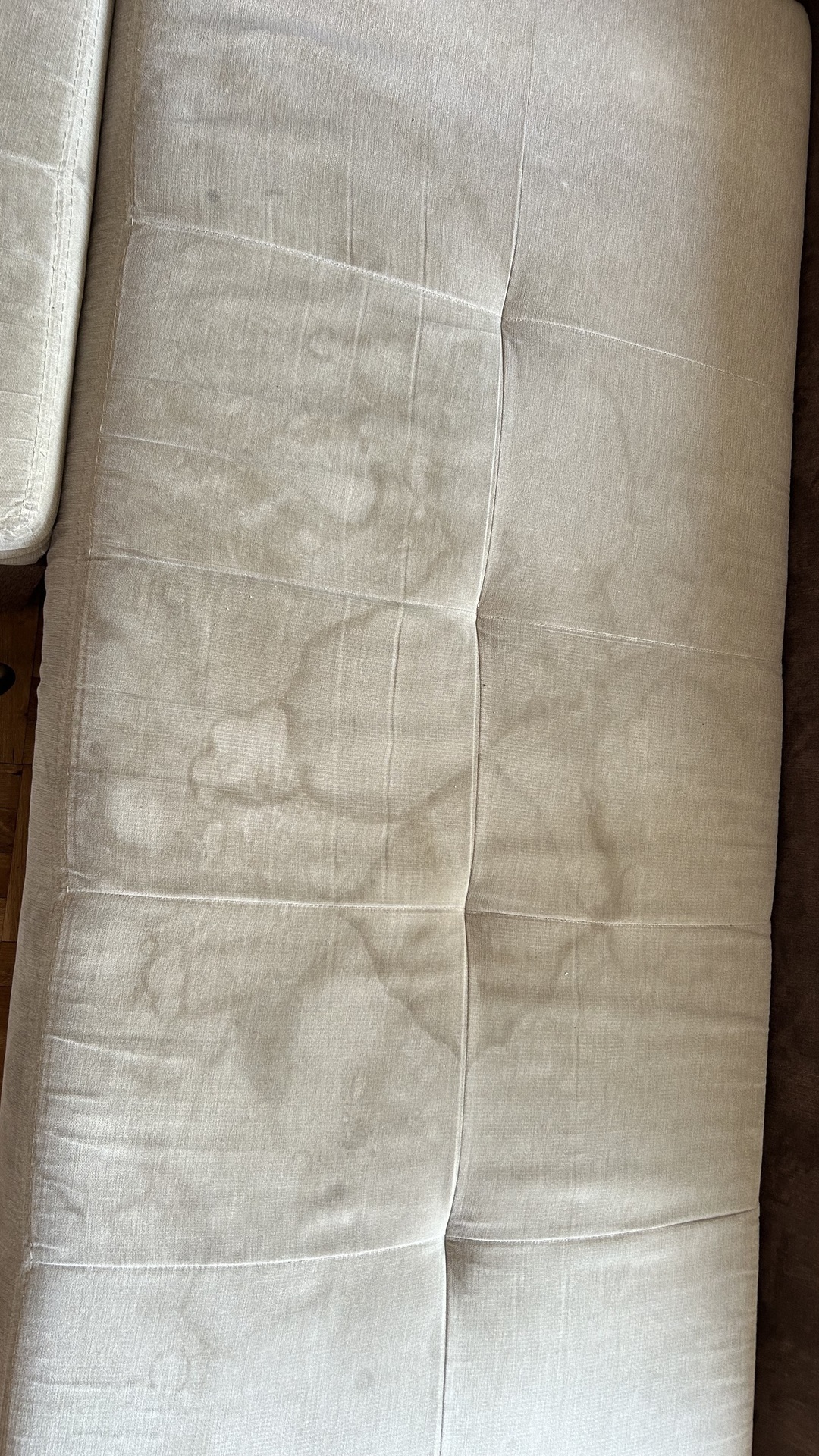
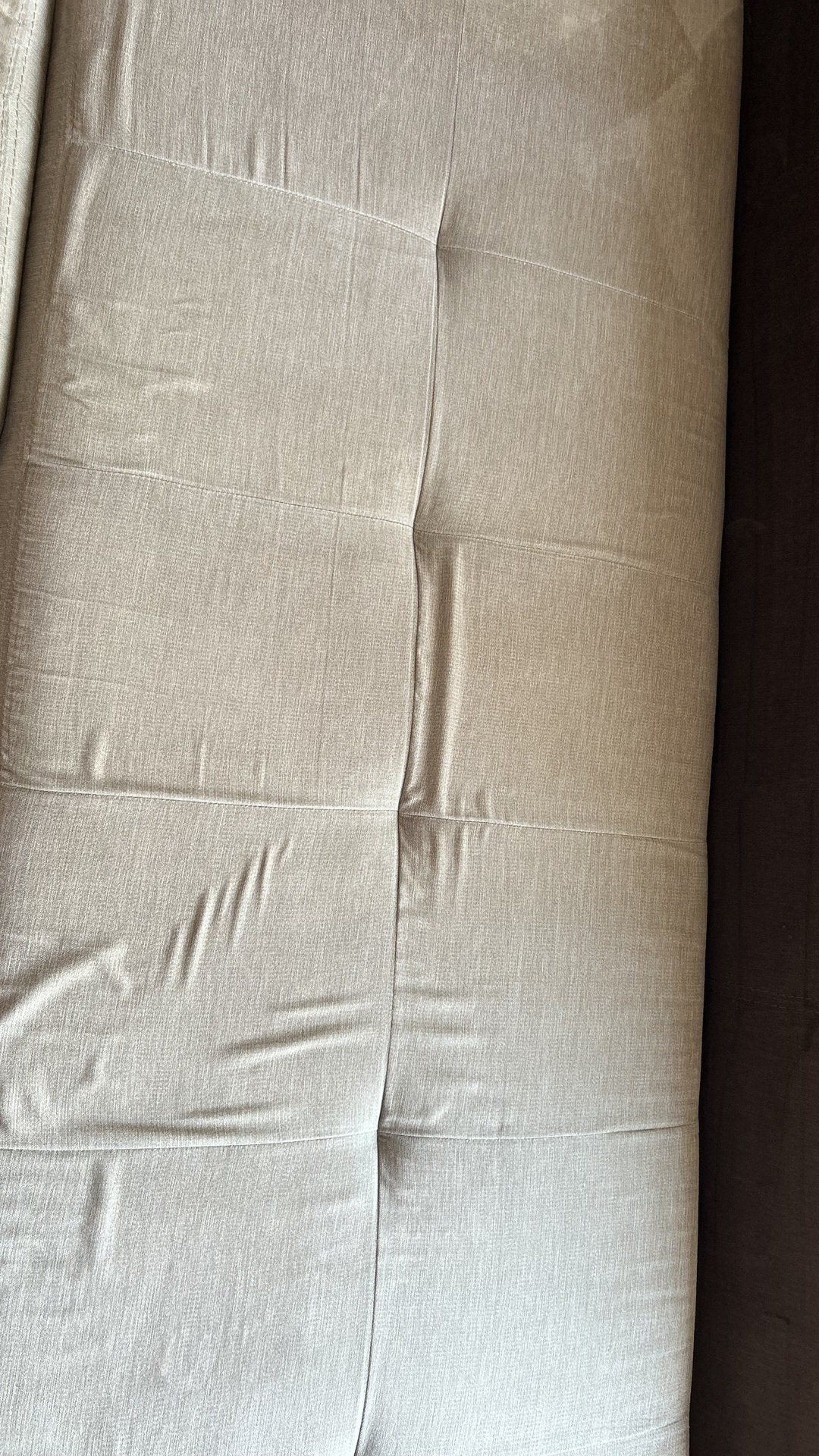
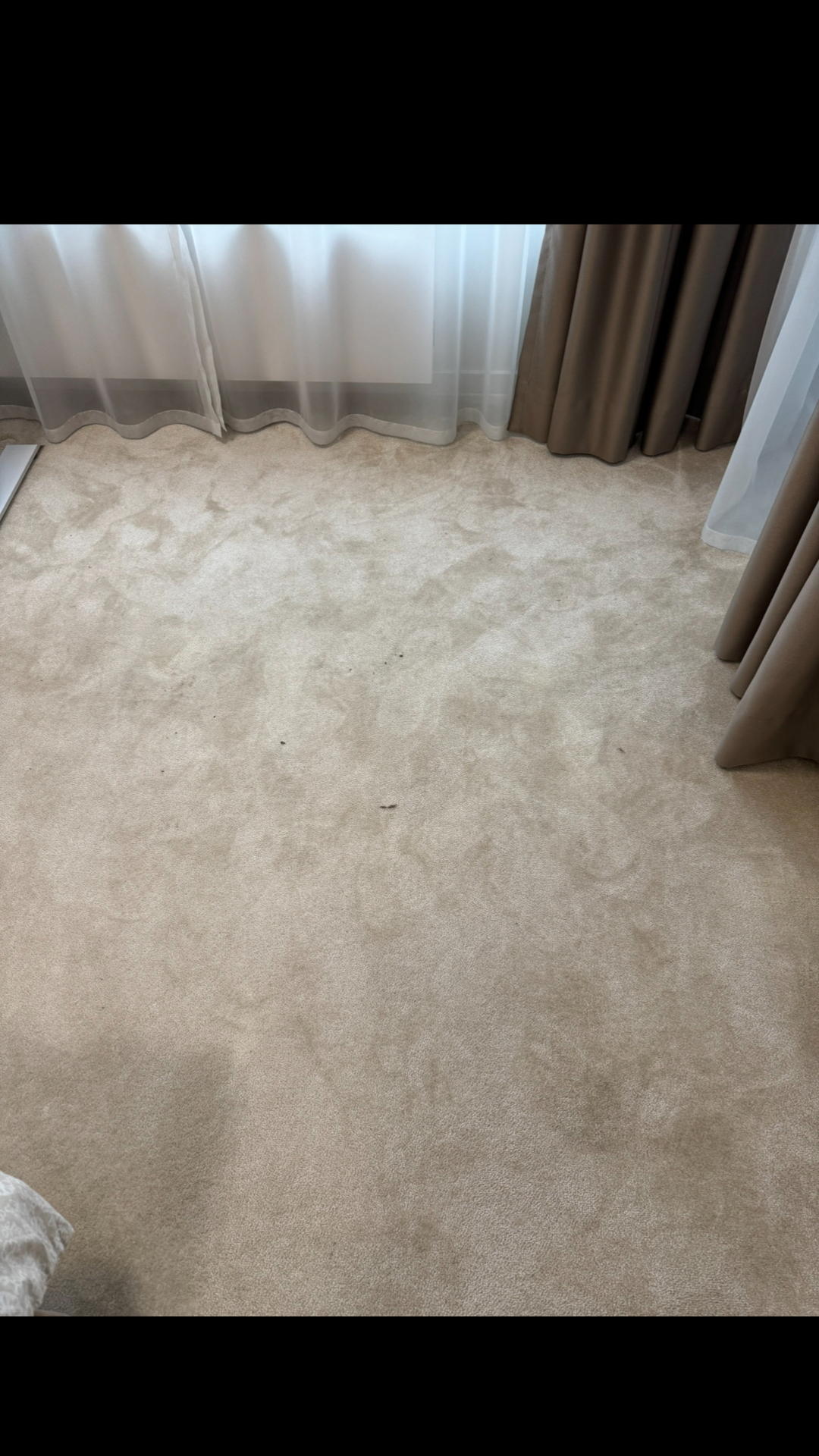
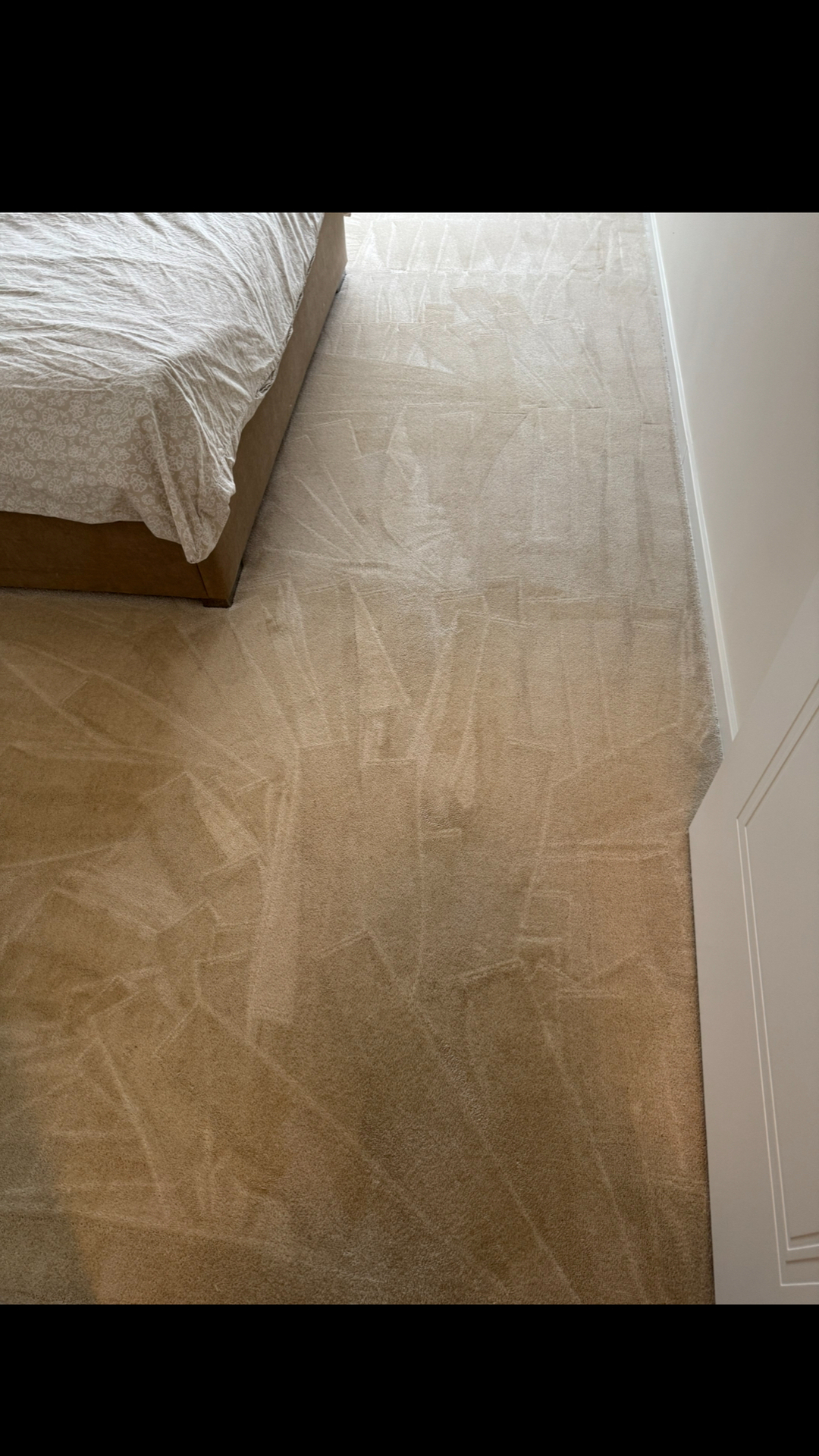
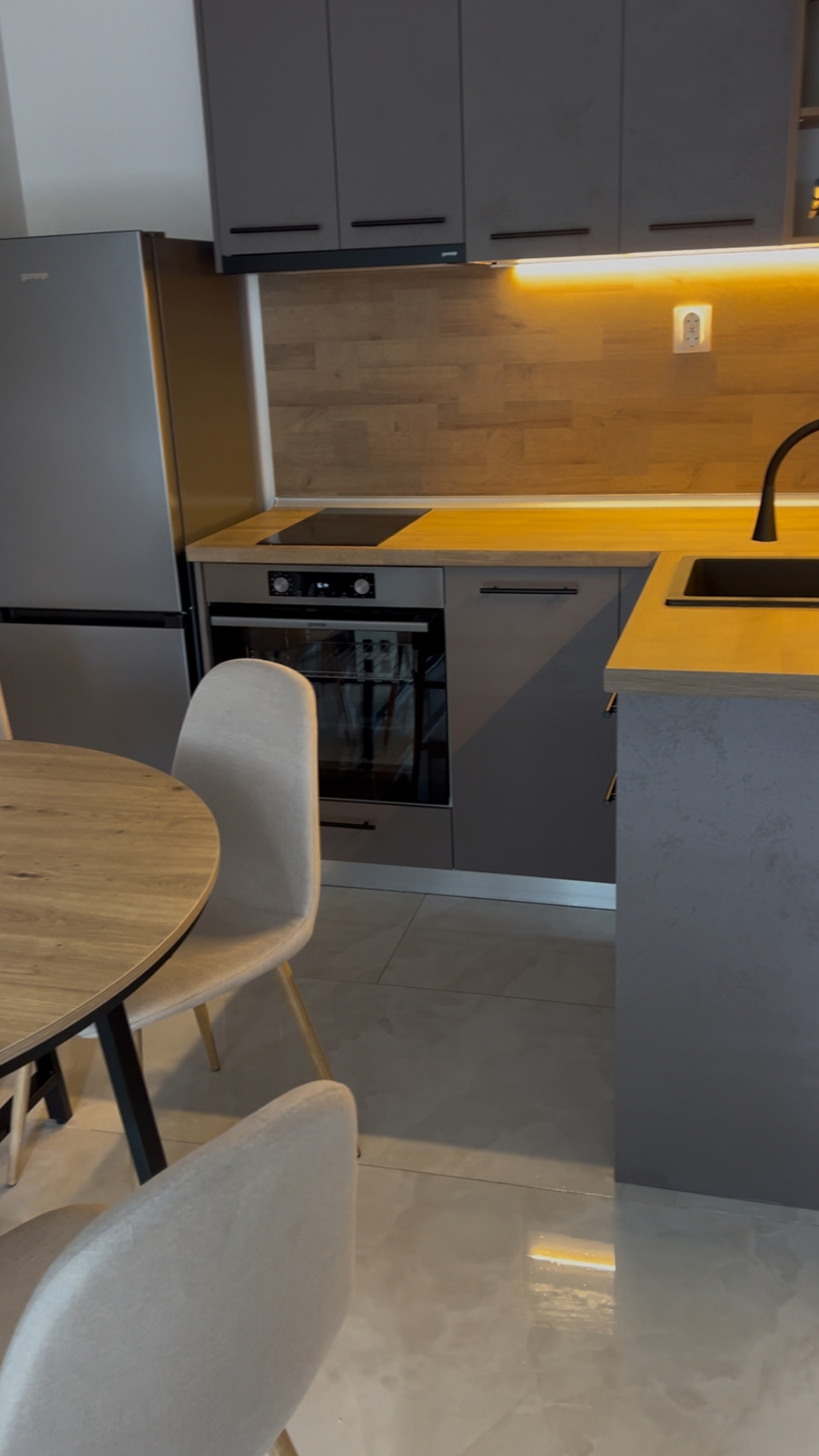
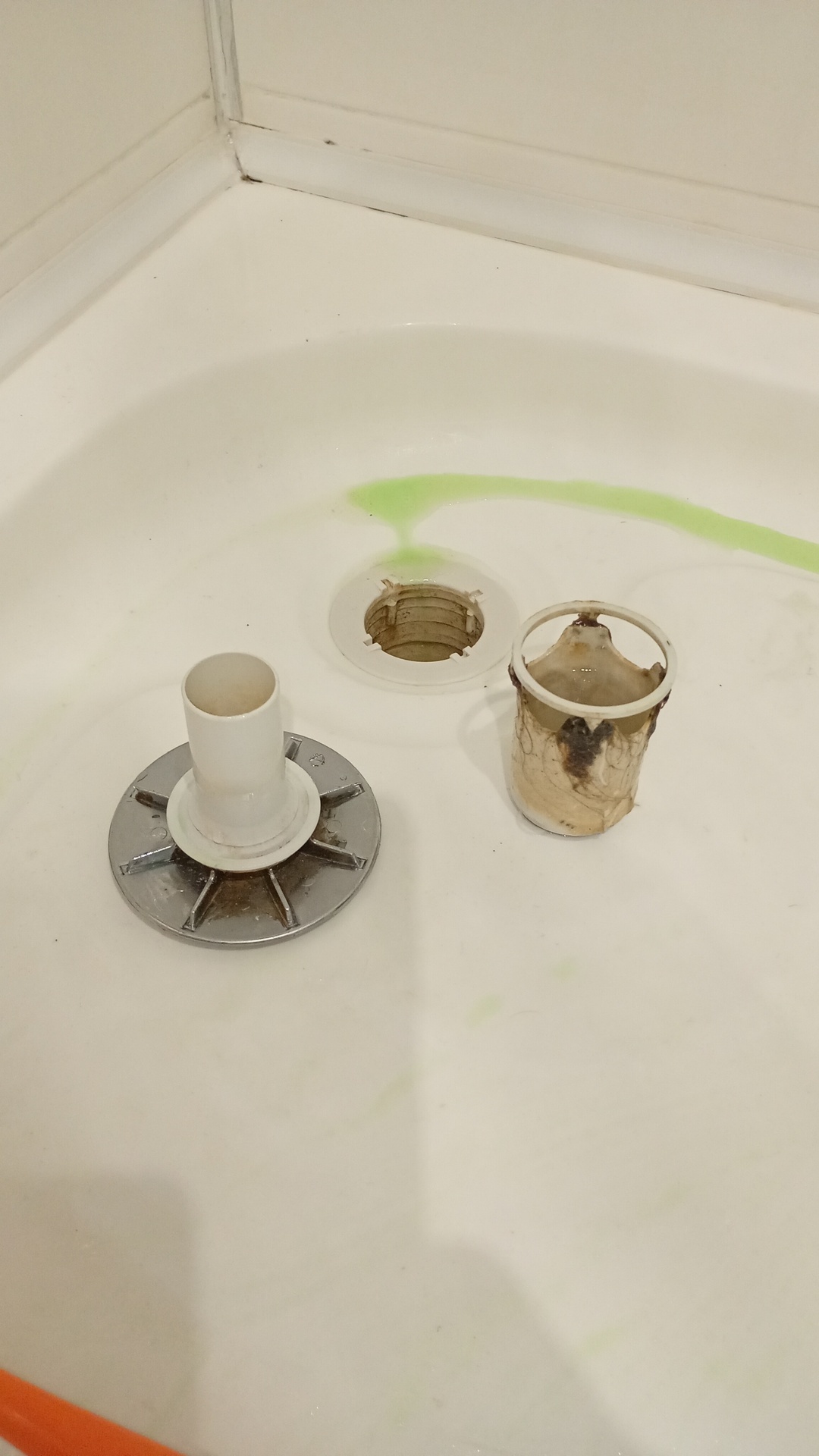
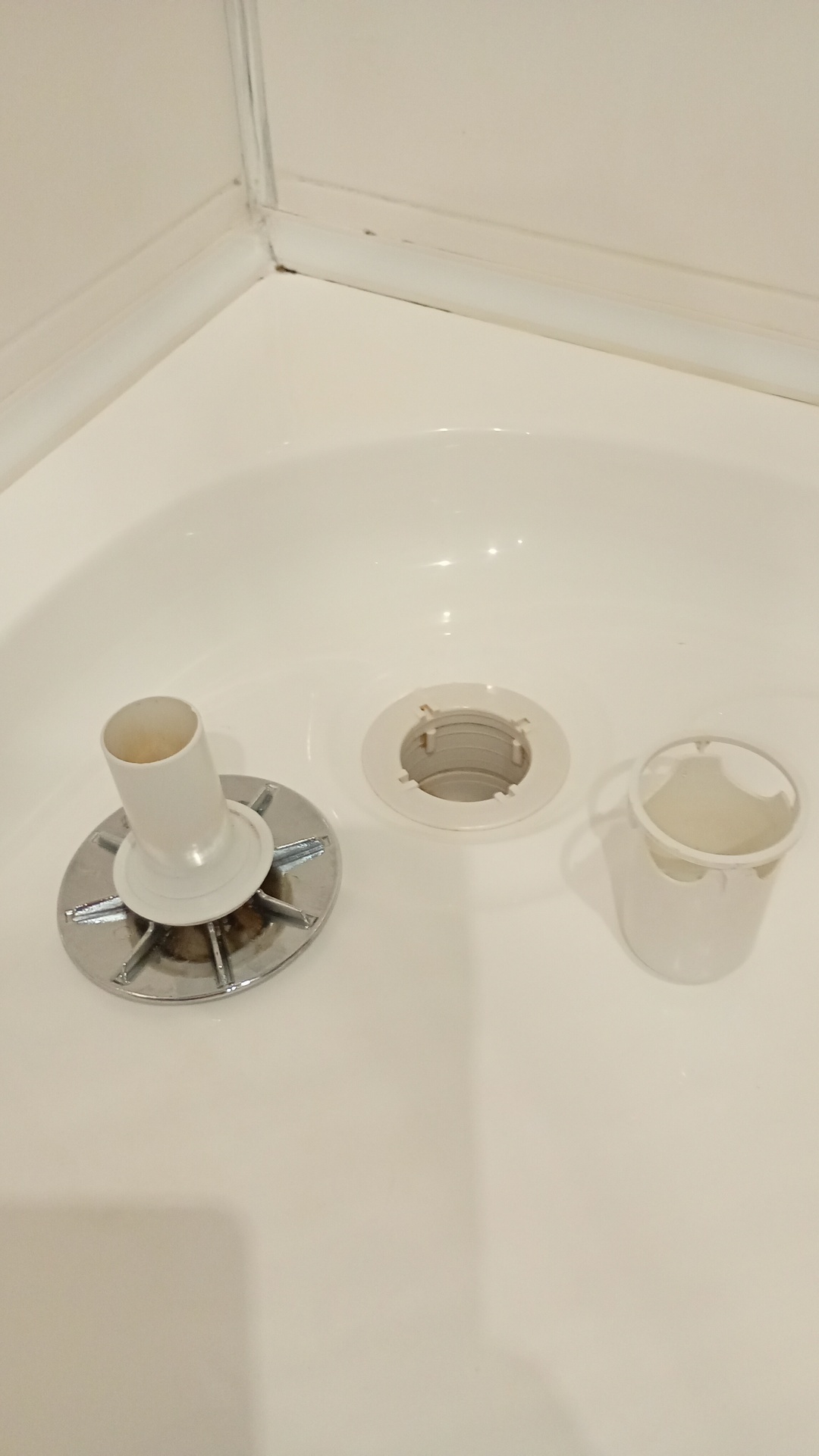
In bathrooms, limescale is a constant issue, especially on glass showers, dark tiles and taps. In kitchens, grease film, extractor hoods, ovens and fridges show use faster than in lightly used holiday homes. With sofas, rugs and mattresses, the concern is not only appearance but crumbs, hair, pollen and odours that settle into textile surfaces. Window cleaning is especially noticeable in Munich after pollen season, renovation work, autumn rain and winter, when low sunlight makes every streak visible.
For booking, the district name matters less than the real home setup: number of rooms, bathrooms, windows, pets, children, balcony, renovation dust and desired add-on tasks. Those details are enough to plan regular cleaning, bathroom cleaning, oven care, upholstery, mattress, windows or an intensive one-off cleaning correctly.
 WORK
WORK