


Dortmund homes do not all need the same cleaning rhythm
Dortmund is not a single compact city center; it is a patchwork of dense neighborhoods, former industrial areas, postwar apartment blocks, terraced houses, new waterfront flats, and quieter outer districts. At the end of 2024, 614,495 people had their main residence in Dortmund, and the housing stock grew by around 13,000 dwellings between 2014 and 2024. For home cleaning, that matters: a 55-square-meter flat in Nordstadt usually needs different attention than a detached house in Aplerbeck, Hombruch, or Lücklemberg.
In inner and near-inner neighborhoods such as Kreuzviertel, Kaiserstraßenviertel, Hafen, Dorstfeld, or around the city ring, road dust settles faster on window sills, floors, and upholstery. In Hörde by Phoenix Lake, large glass areas, open kitchens, and light-colored floors are common cleaning priorities. In southern and eastern residential areas, terrace dirt, garden paths, pets, and pollen from green corridors often play a bigger role.
- Dense rental apartmentsRegular dusting, bathroom cleaning, kitchen surfaces, and floors keep fine urban dust from sitting visibly in joints, skirting boards, and fabrics.
- Houses with gardensThe hallway, patio door, stairs, and upholstery are more exposed to soil, leaves, dog hair, and children’s shoes.
- Homes near waterAround Phoenix Lake and in wind-exposed areas, window frames, balcony floors, and limescale marks on fittings deserve closer attention.
Rain, wind, and Ruhr air leave traces indoors
Dortmund’s weather is demanding for homes: mild and sometimes humid summers, long gray winters, many windy days, and rainfall spread across the year. Climate data for Dortmund describe the summers as comfortable and partly cloudy, while winters are cold, windy, and mostly cloudy; temperatures typically range from around 0 to 23 degrees Celsius throughout the year. That mix brings damp shoe marks, window condensation, dust films, and bathroom limescale back faster than in drier regions.
Urban air also affects household cleaning. The city measures pollutants including PM10 and PM2.5; PM10 has long been recorded at stations in Eving and on Brackeler Straße, where an annual mean value of 10 µg/m³ is reported for both stations in Dortmund’s air-quality measurements. For homes near the B1, B54, Mallinckrodtstraße, port routes, or major junctions, windows, radiators, frames, curtains, and upholstery need more regular attention.
- After rainy spells Shake out door mats, mop the hallway, and check skirting boards because fine road dirt stays trapped in wet shoe soles.
- After windy days Clean window sills, balcony entrances, and radiator tops, especially in upper-floor flats or homes facing busy roads.
- During heating season Remove dust from radiators, lamps, and cupboard tops so dry indoor air does not circulate old dust layers.
- When humidity is high Descale and dry bathroom joints, silicone edges, and shower screens more often before gray residue sets firmly.
From student flats to family houses: what builds up in daily life
Dortmund is young and mobile, yet strongly shaped by established residential districts. At TU Dortmund University, 29,502 students were enrolled in the 2025/26 winter semester. This is especially visible in Eichlinghofen, Barop, Dorstfeld, Innenstadt-West, and well-connected shared-apartment areas: small kitchens, shared bathrooms, mattresses, carpets, and upholstered furniture are used intensively and often handed over in short rental cycles.
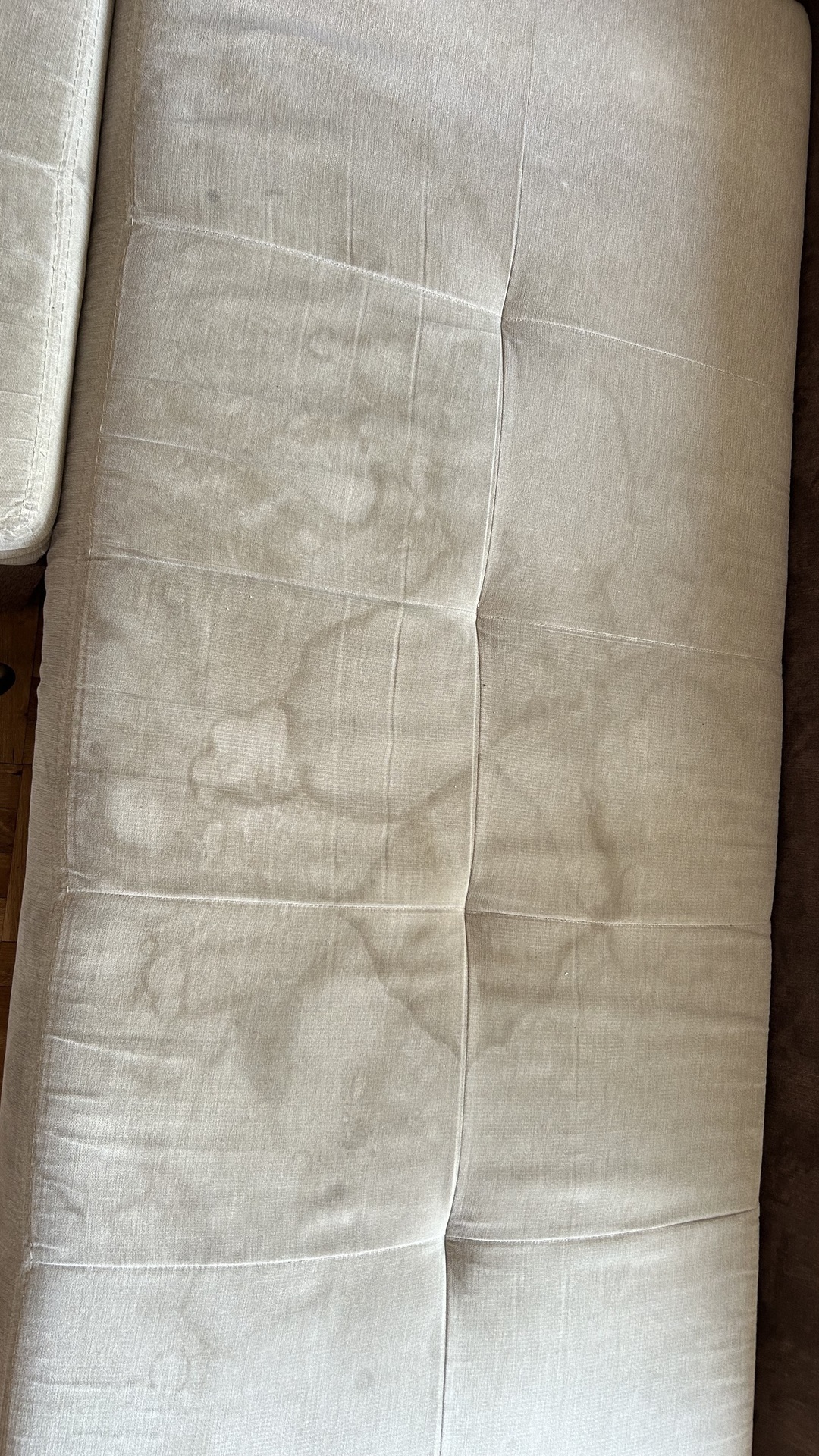
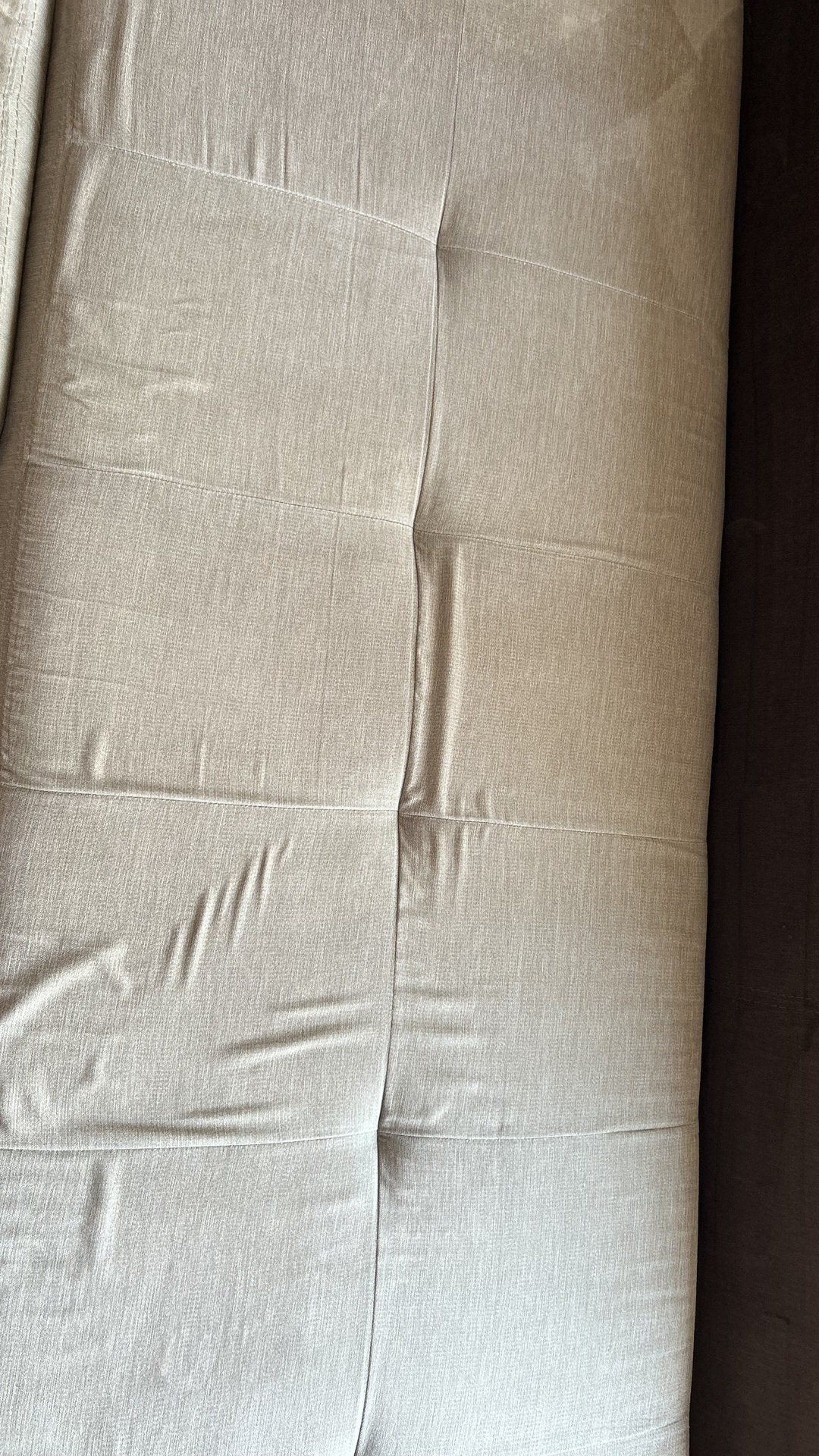
Family households in Mengede, Scharnhorst, Brackel, Aplerbeck, or Hombruch face different wear. School runs, sports bags, garden work, pets, and larger bathrooms all add up. A weekly regular cleaning service fits kitchens, bathrooms, floors, and dusting; occasional upholstery cleaning, mattress care, or oven cleaning can be added when fabrics and appliances show heavier use.
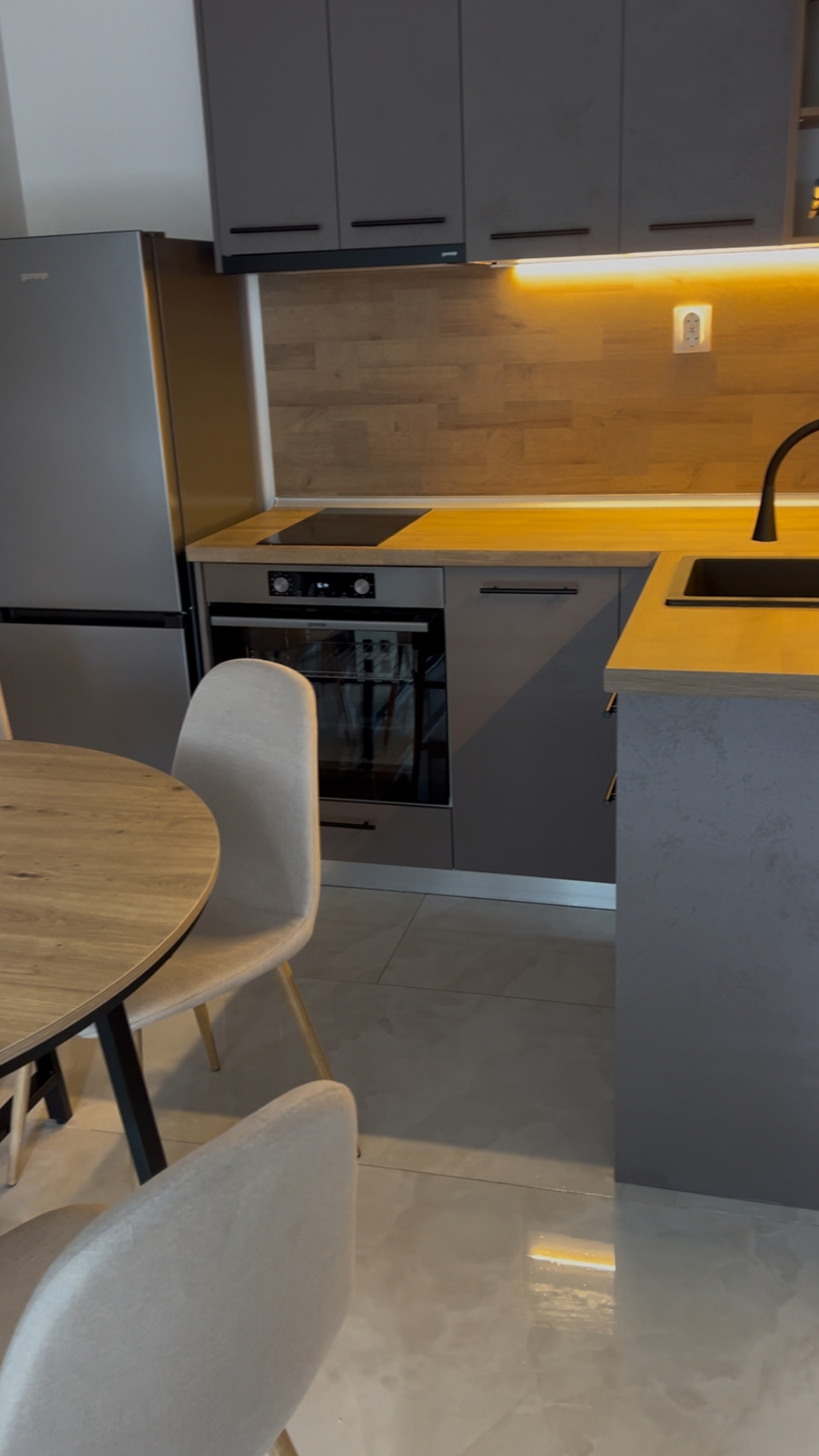
Older apartments in Nordstadt, Unionviertel, Körne, or Kaiserstraßenviertel often have high ceilings, radiator niches, older windows, wide sills, and sensitive wooden floors. Newer homes around Phoenix Lake, Stadtkrone Ost, or modernized developments tend to bring glass surfaces, smooth cabinet fronts, stainless steel, open-plan kitchens, and larger bathrooms into focus.
Seasonal peaks come from moves, events, and pollen
Cleaning demand in Dortmund follows the calendar clearly. In March and April, spring jobs increase: windows, frames, radiators, balcony floors, upholstery, and carpets show the winter’s residue. In summer, barbecue marks, construction dust, pollen from Westfalenpark, Rombergpark, and garden areas, plus more open windows add to the workload. During this period, a combined deep cleaning with a window or bathroom focus often fits best.
In autumn, many tasks shift toward moving and handover cleaning. Dortmund’s housing market remains tight; the city reports that demand rose in 2024 alongside the housing stock, while newly completed dwellings were still mainly smaller units. Viewings, short-term lets, and handovers are often closely scheduled. A move out cleaning appointment then focuses on the kitchen, bathroom, limescale, oven, inside windows, cupboards, skirting boards, and floors.
Visitor peaks matter too: Dortmund reported more than 1.5 million overnight stays in 2024. Football, concerts, trade fairs, the Christmas city, and family visits create extra guest traffic in private homes, especially near the city center, Westfalenhallen, Kreuzviertel, Saarlandstraßenviertel, and Hörde.
After renovation, fine dust is the stubborn part
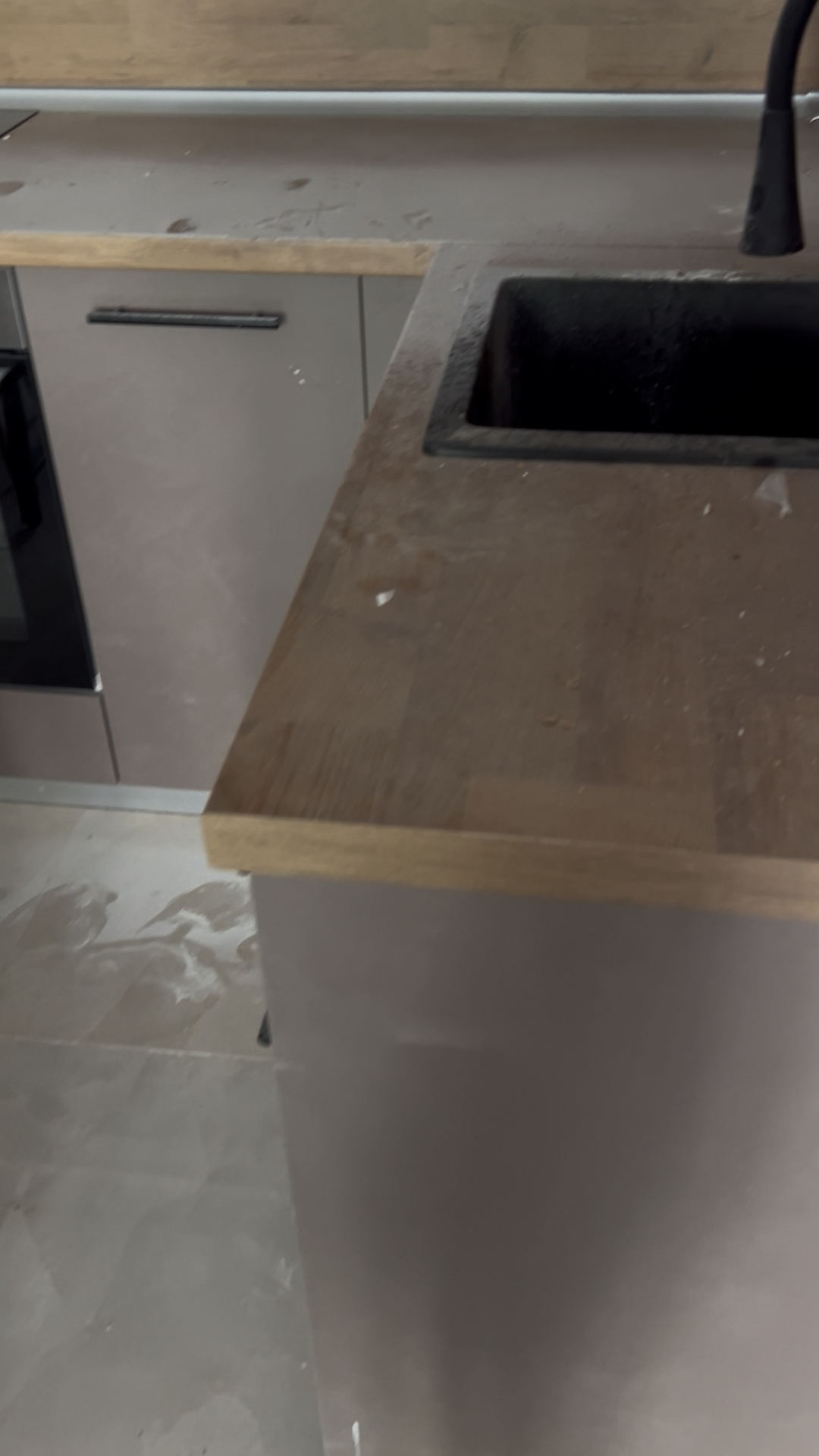
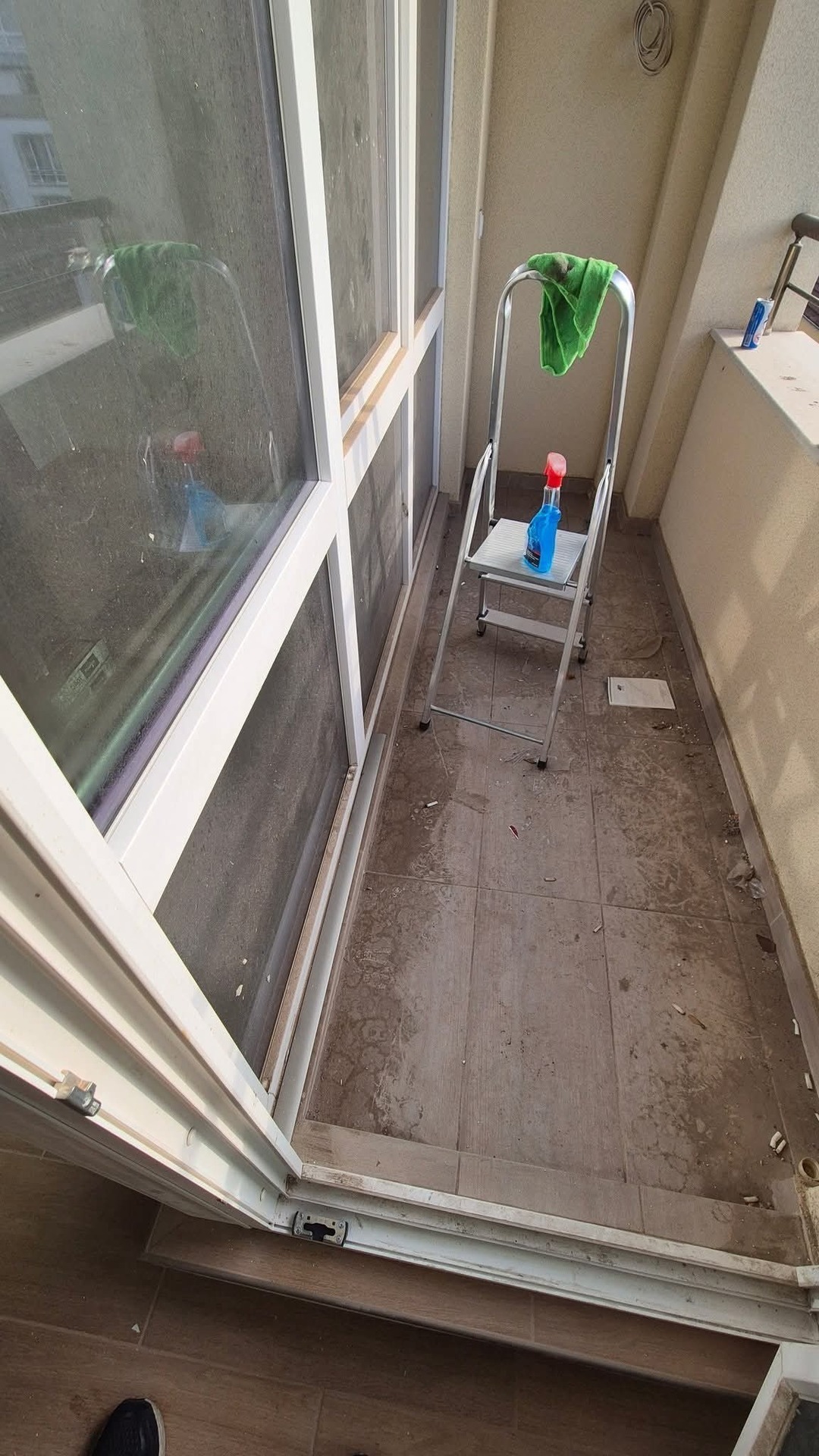
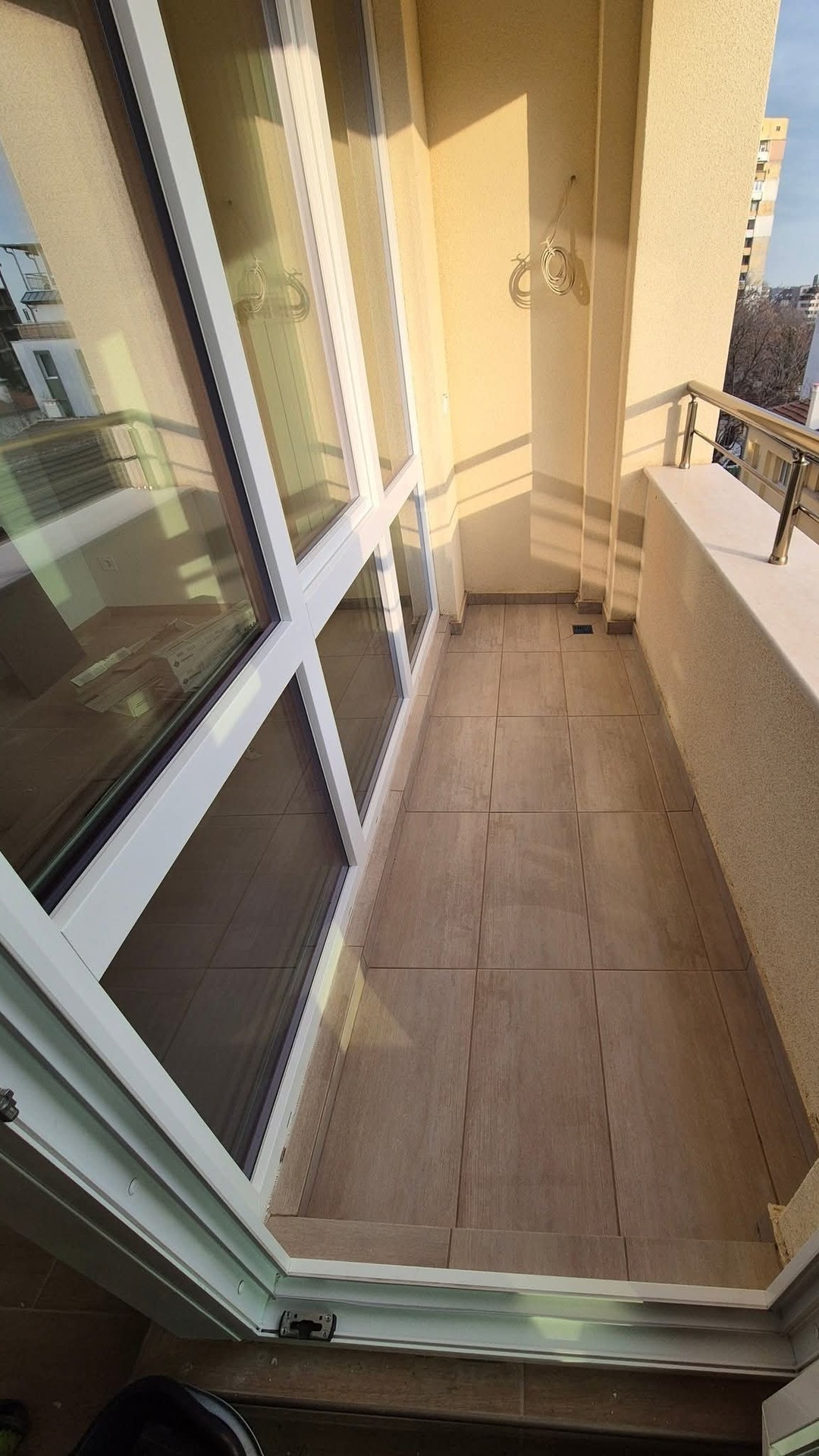
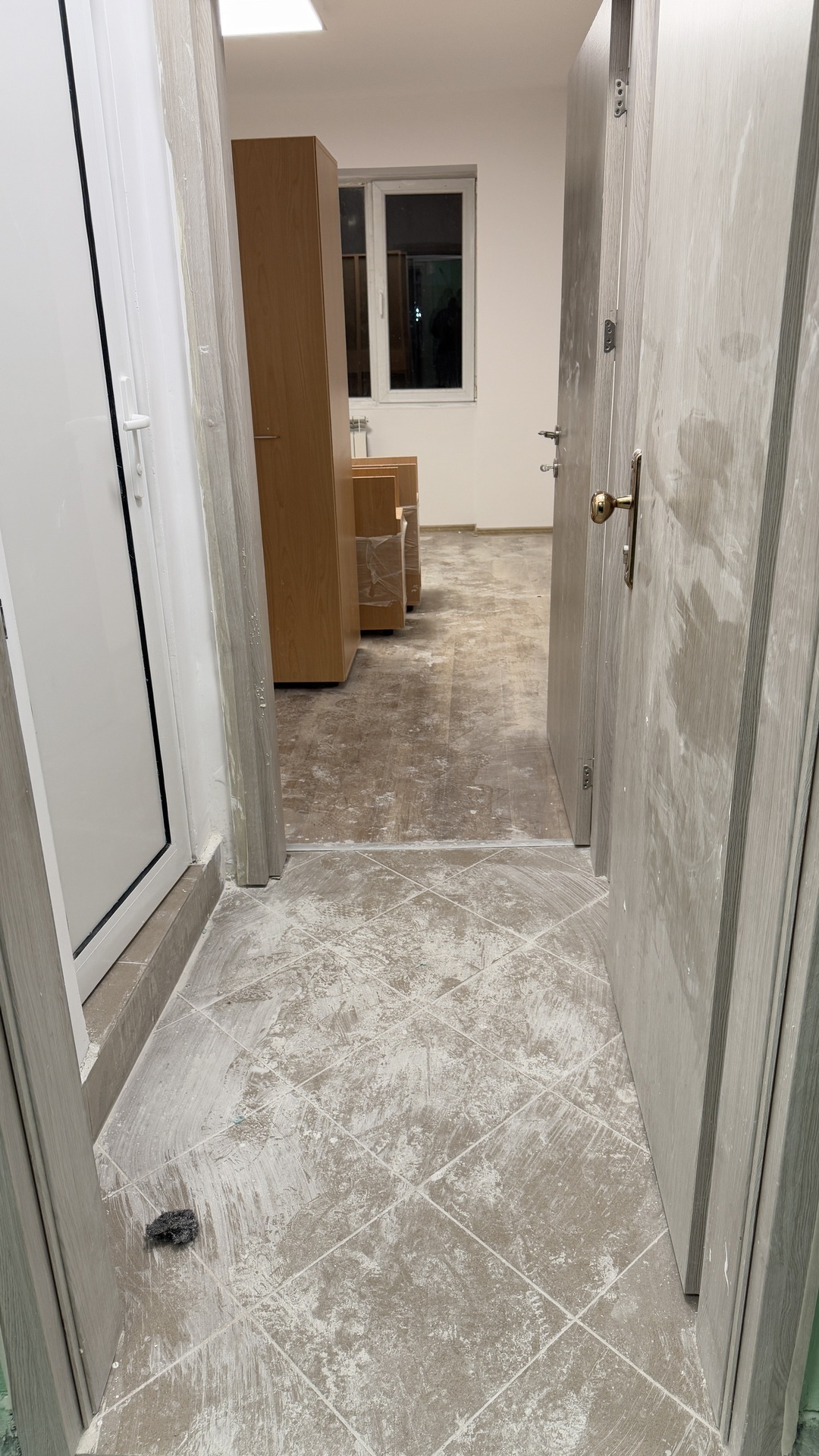
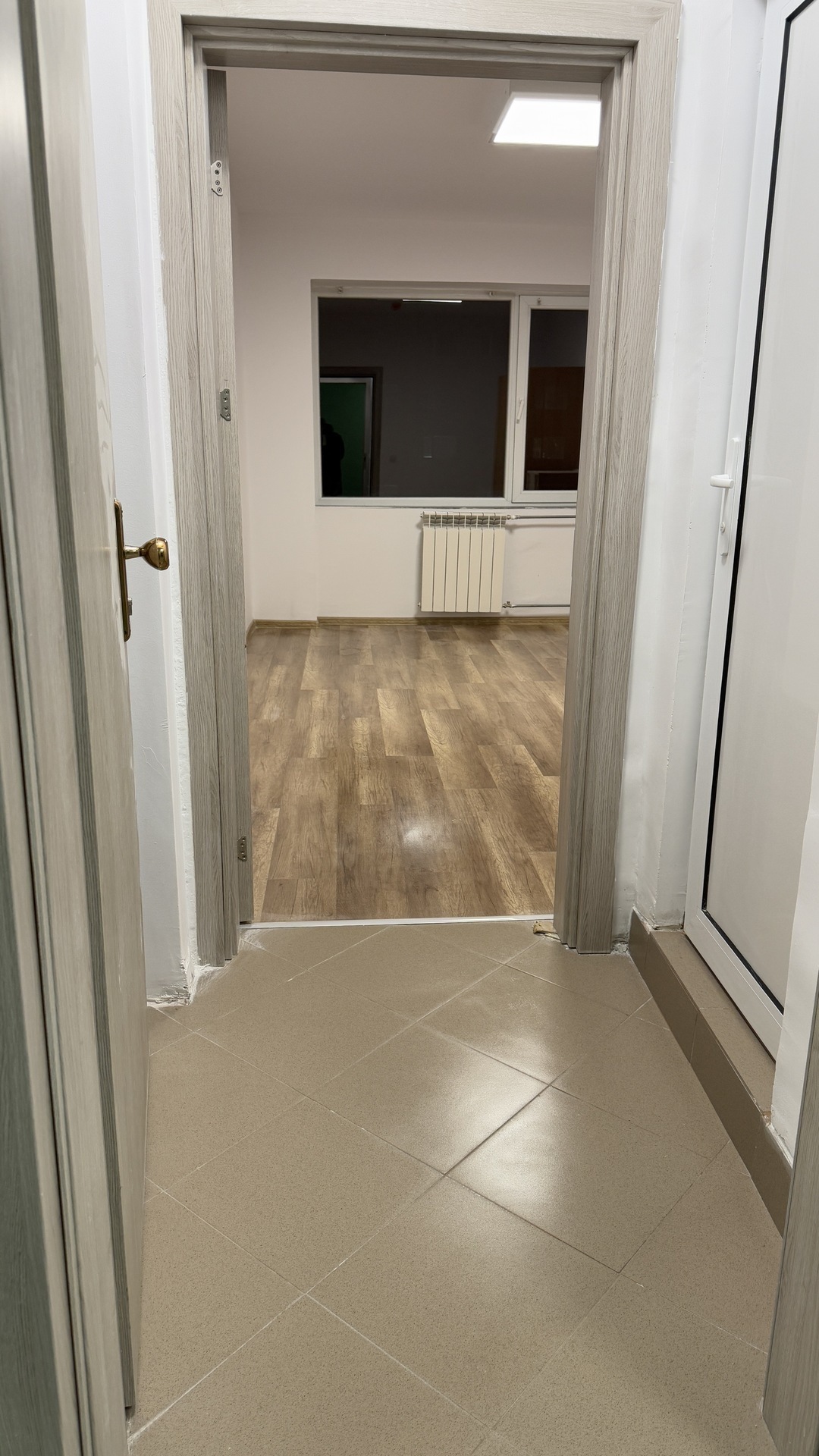
Many Dortmund homes are continually being modernized: new bathrooms, flooring, kitchen units, radiators, windows, or paintwork. After renovation, ordinary mopping is rarely enough because drilling dust settles on door frames, sockets, tile joints, cupboard tops, and window rebates. In older apartment buildings, fine dust can spread through air movement and the apartment door back into the hallway and living areas; cleaning is carried out only inside the private apartment or house.
Post construction cleaning in Dortmund should cover both dry and wet work: first loosen dust systematically from top to bottom, then finish surfaces, floors, sanitary areas, and glass. In new kitchens, drawers, cabinet interiors, and stainless-steel surfaces also deserve attention because packaging dust and adhesive residue show up quickly there.
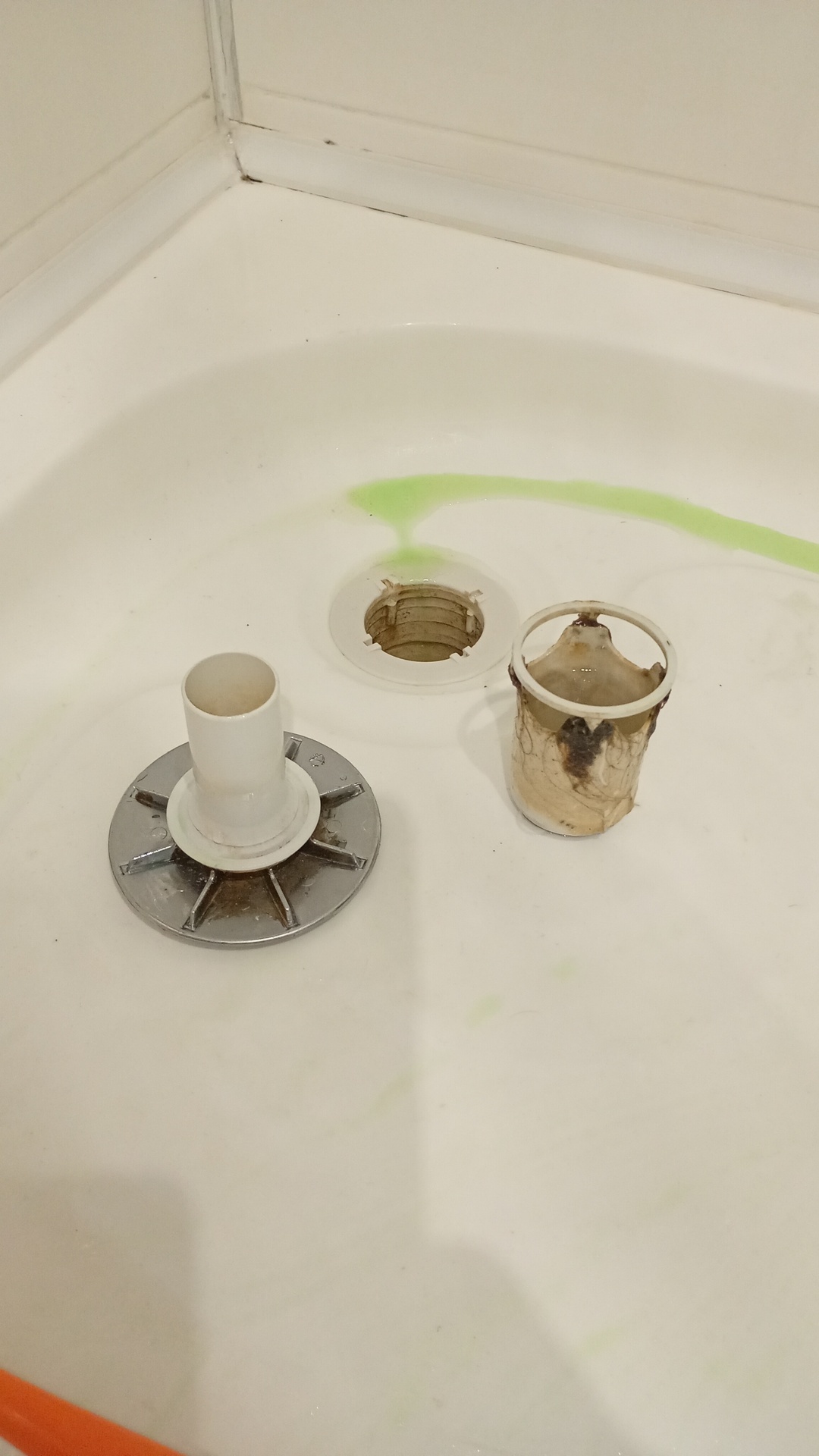
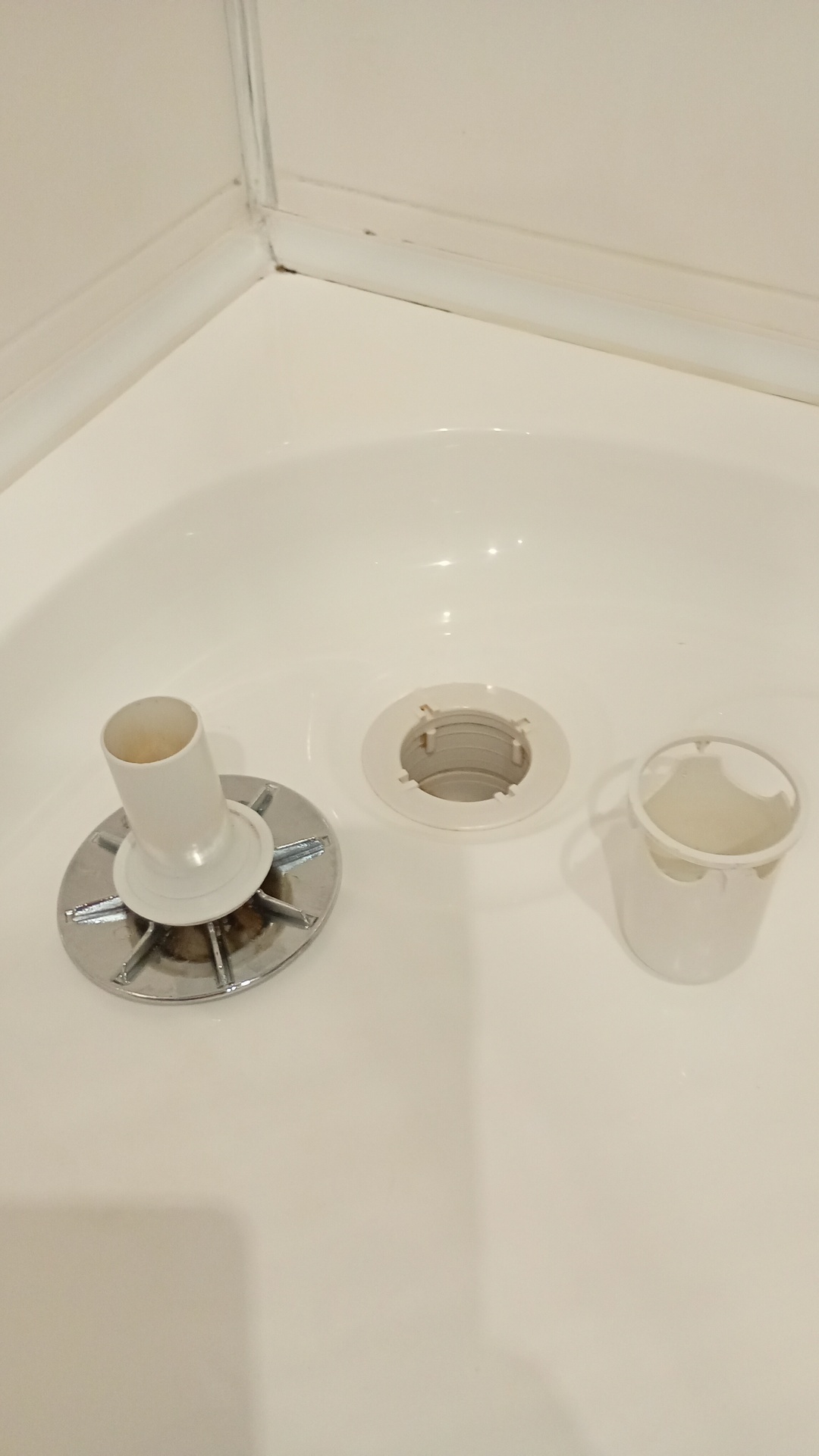
- Bathroom renovationTile haze, silicone residue, mineral dust, and marks on fittings need different handling than weekly bathroom care.
- Flooring workSanding dust settles on skirting boards, radiators, door frames, and gaps between the wall and floor.
- New windowsFrames, rebates, handles, and glass should be cleared of drilling dust, label residue, and fingerprints after installation.
How professional cleaning fits Dortmund residential life
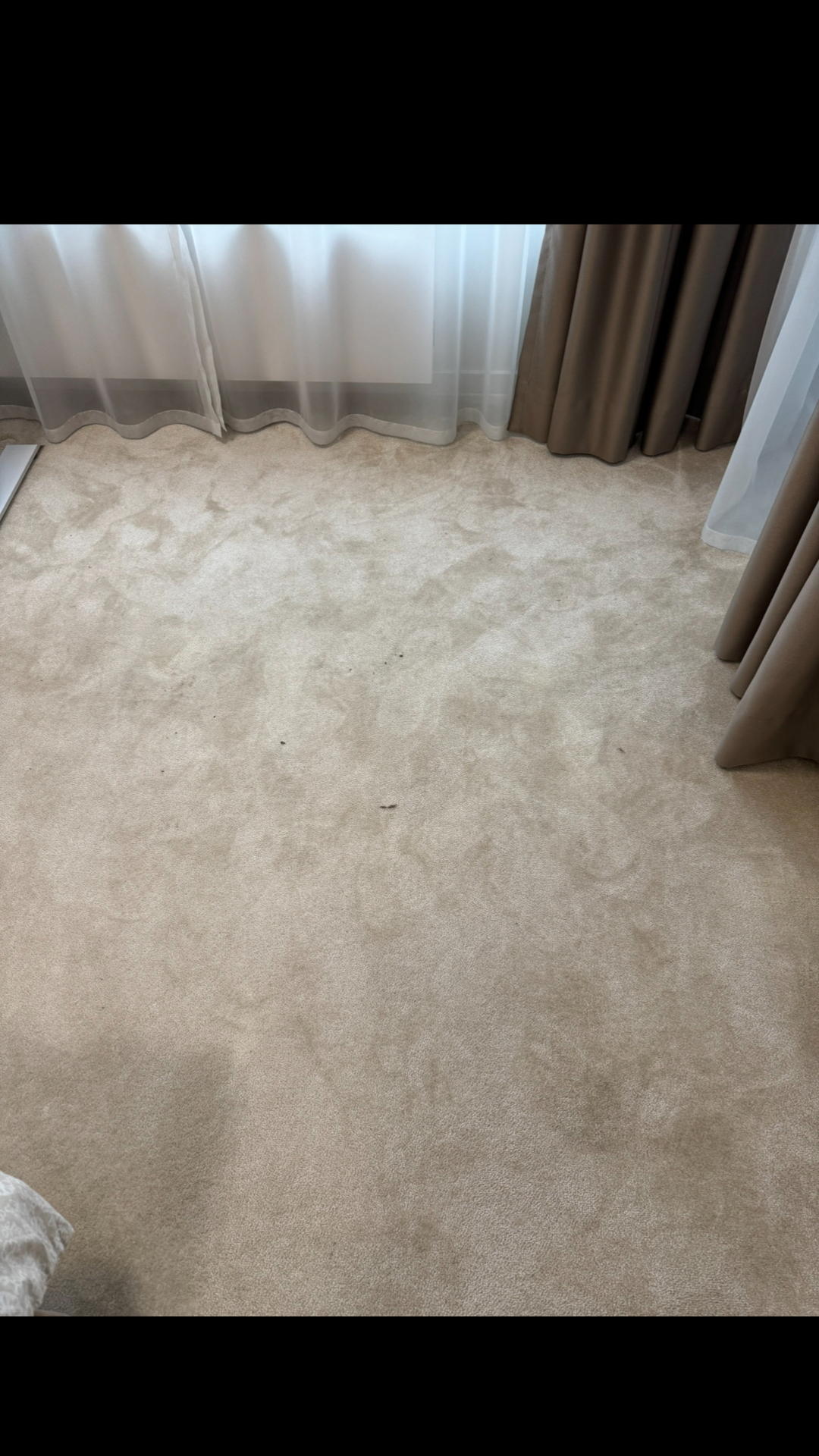
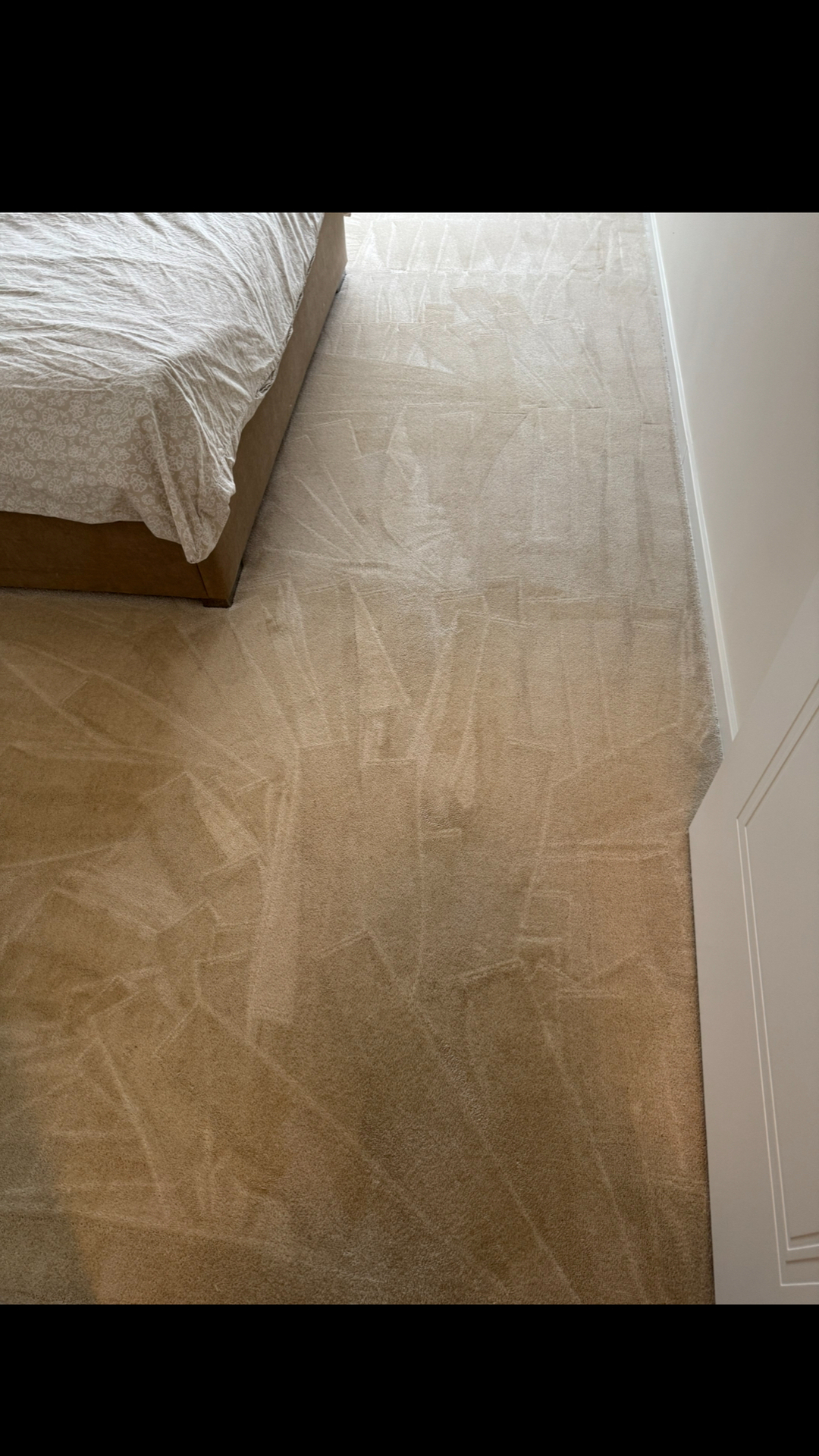
Cleaning in Dortmund is easiest to plan around use, location, and season: a small city-center flat, a shared apartment near the university, a family house in the south, or a lake-area apartment. Broad professional cleaning covers more than visible floors: bathrooms, kitchens, windows, upholstery, ovens, fridges, mattresses, carpets, and thorough work after moving or renovation.
A practical pattern is to combine fixed intervals with targeted add-ons. Every one to two weeks suits kitchens, bathrooms, floors, and dusting. Two to four times a year, windows, radiators, upholstery, mattresses, and hard-to-reach areas can be added. After a move, renovation, long trip, Christmas, or a large family visit, one larger appointment is usually more efficient than several small catch-up visits.
Useful booking details include floor area, district, apartment or house, number of bathrooms, balcony or terrace, pets, requested add-on services, and whether nearby parking is possible. For homes in the city center, Hörde, Kreuzviertel, or Nordstadt, a short note on floor level, lift access, and loading space is especially helpful.
 WORK
WORK