
Oven Cleaning in Dortmund
Team
Payment
What is included in the service?
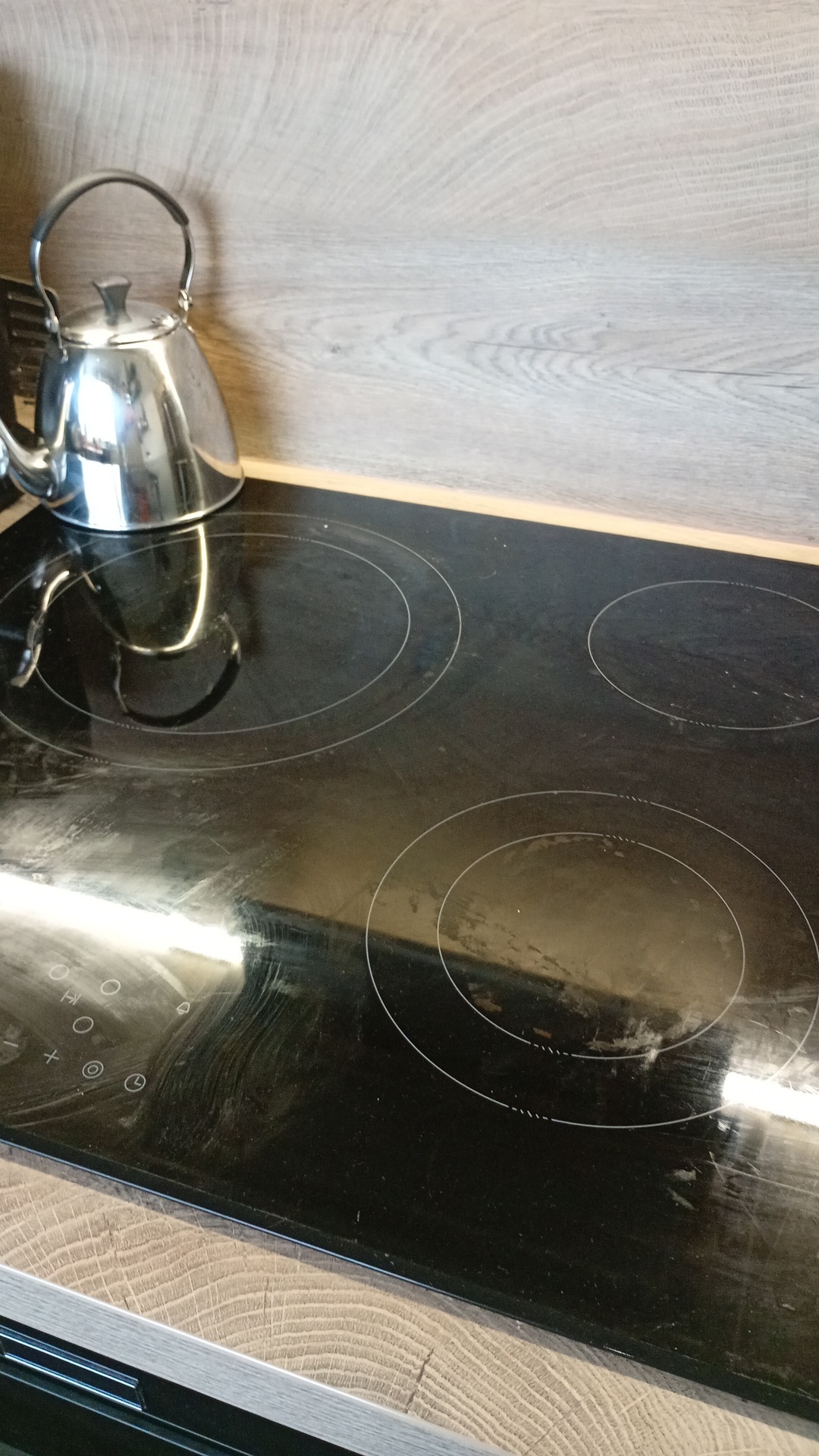
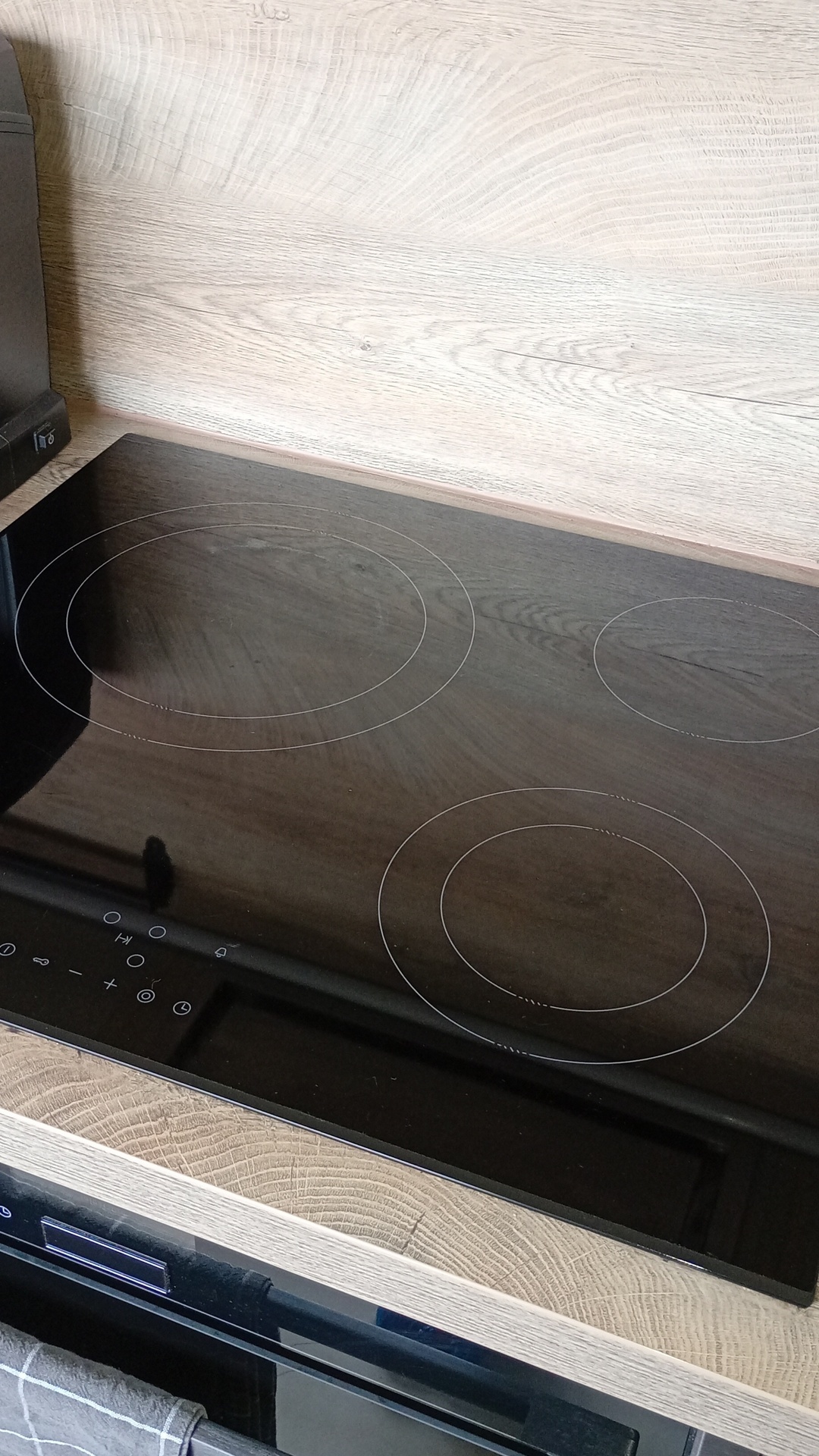
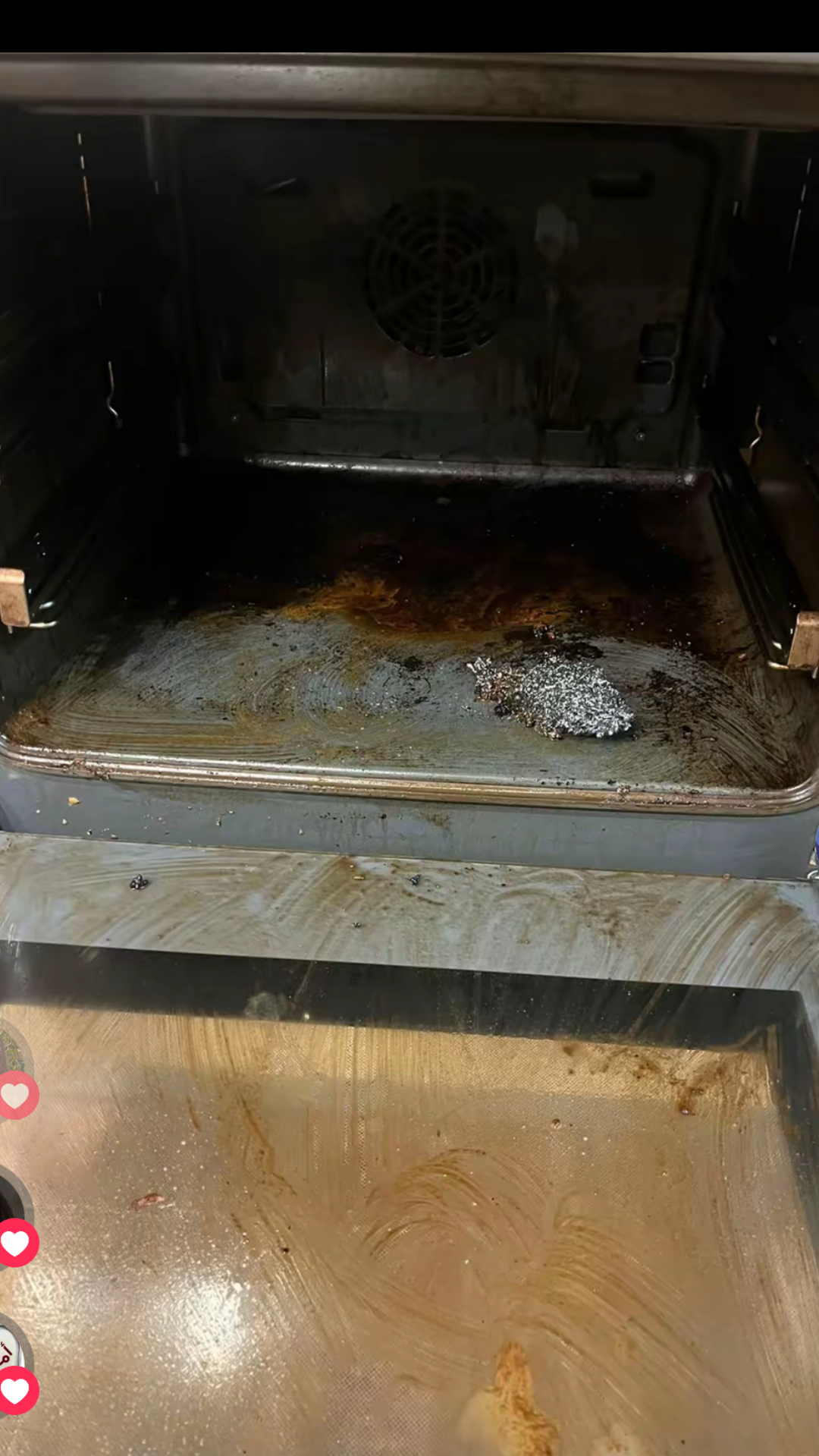
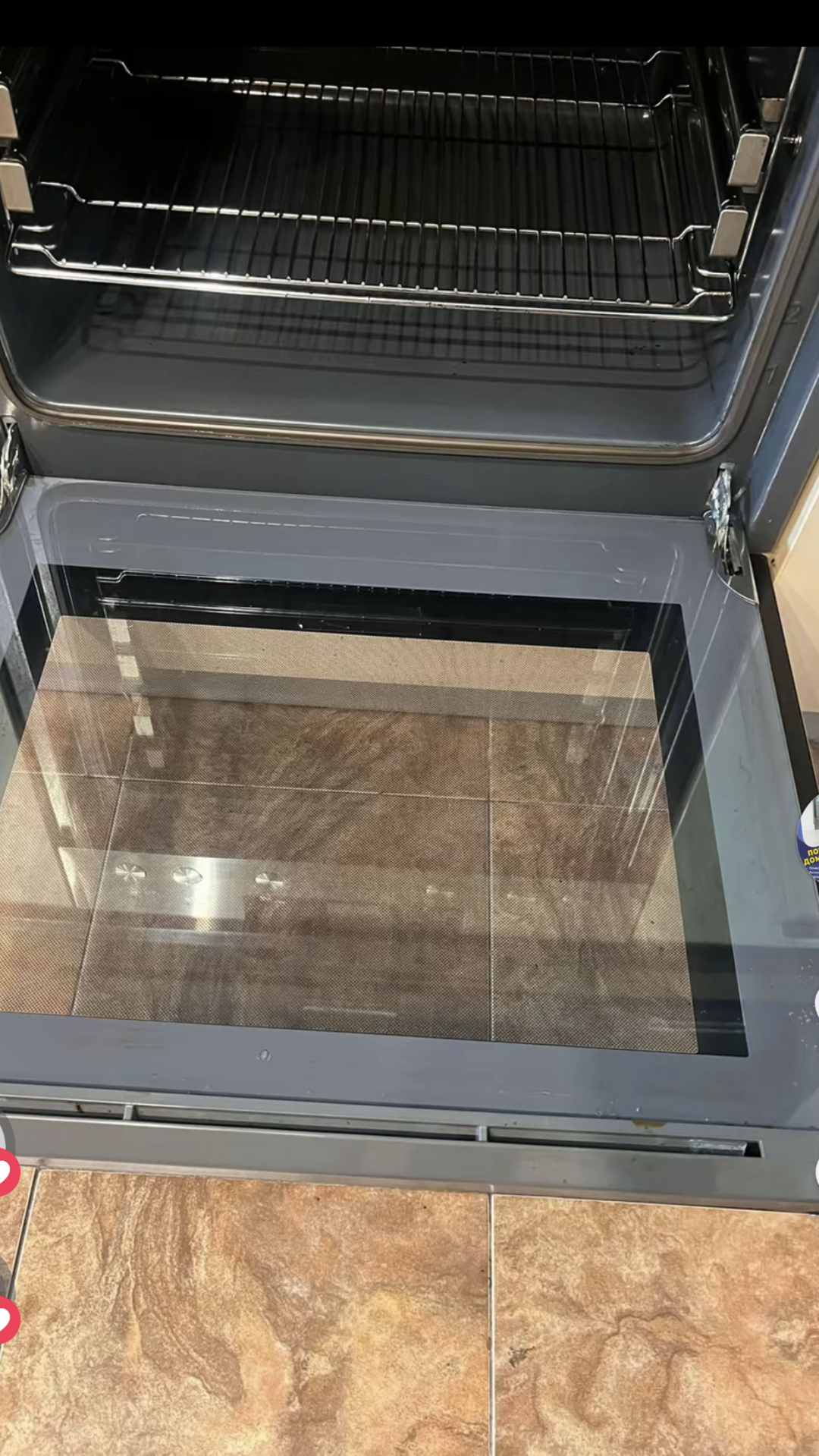
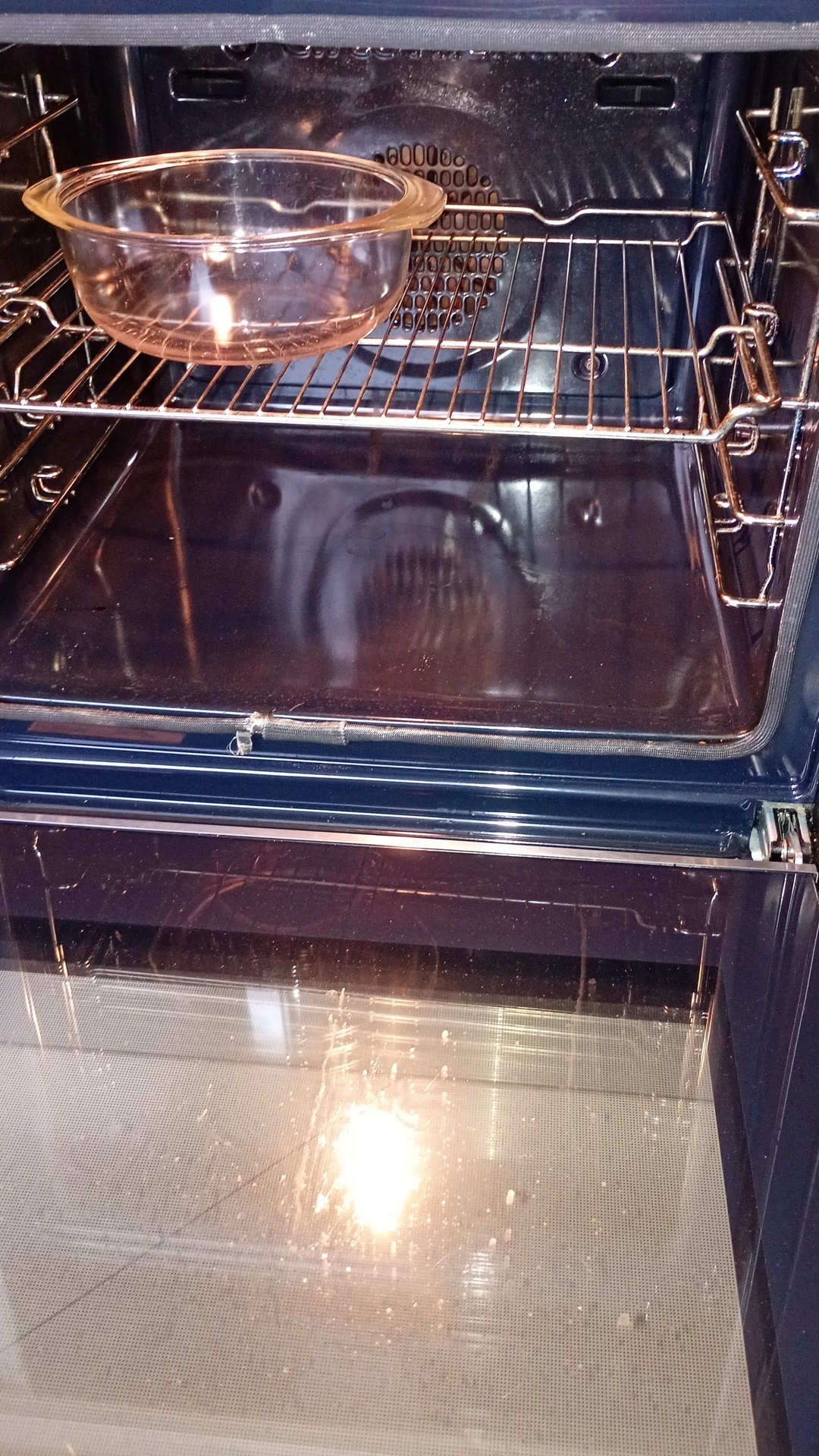
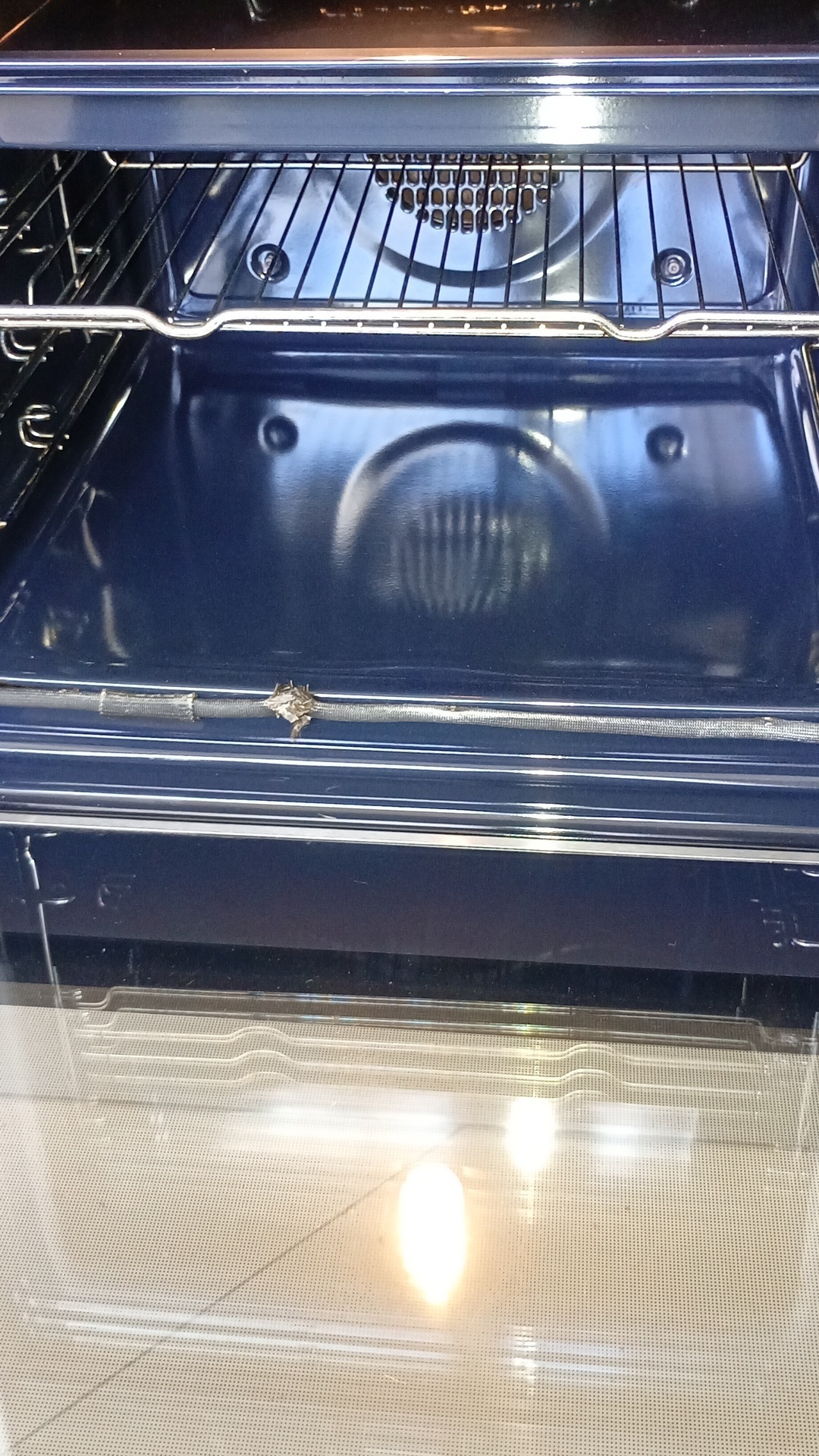
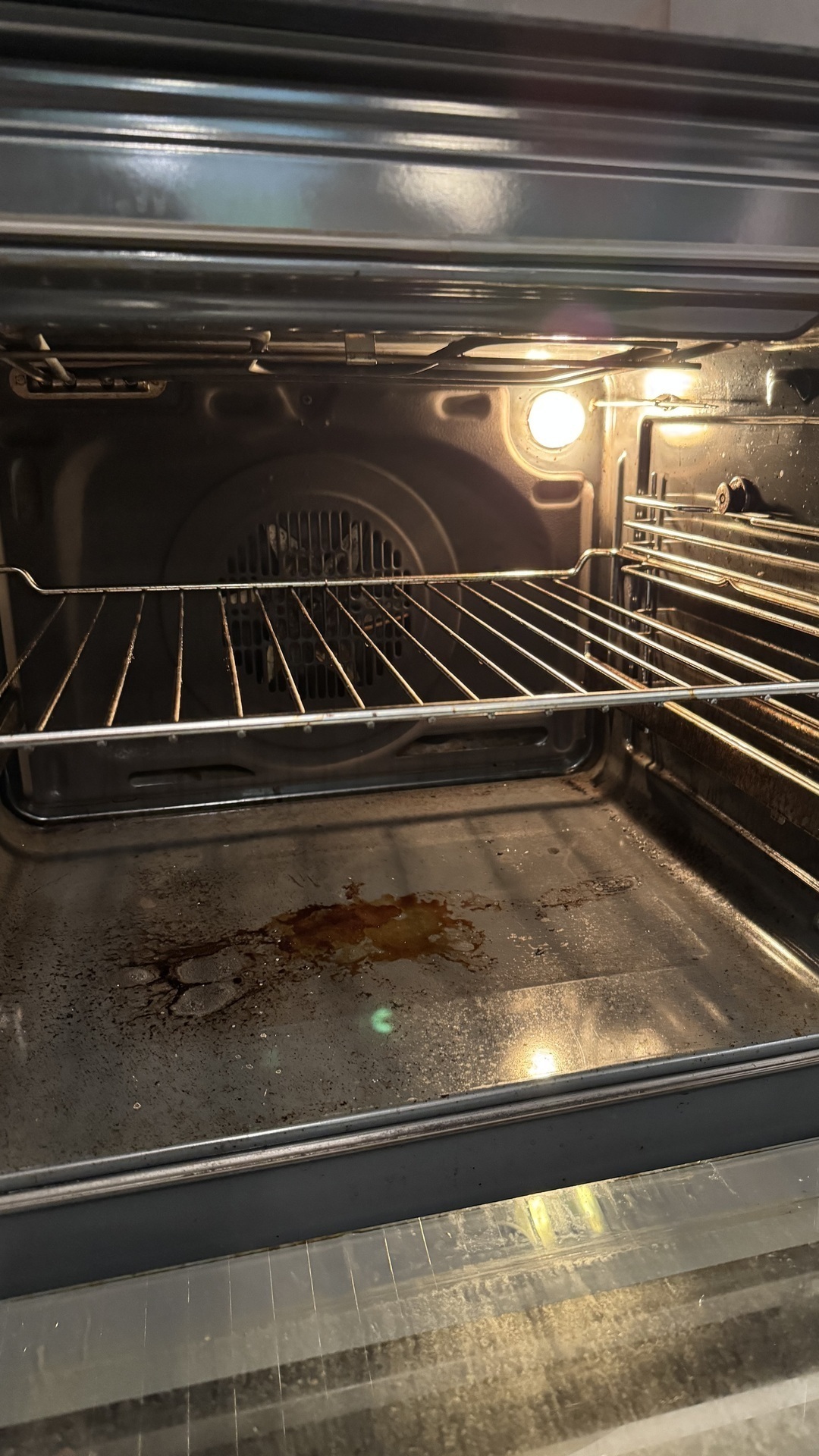
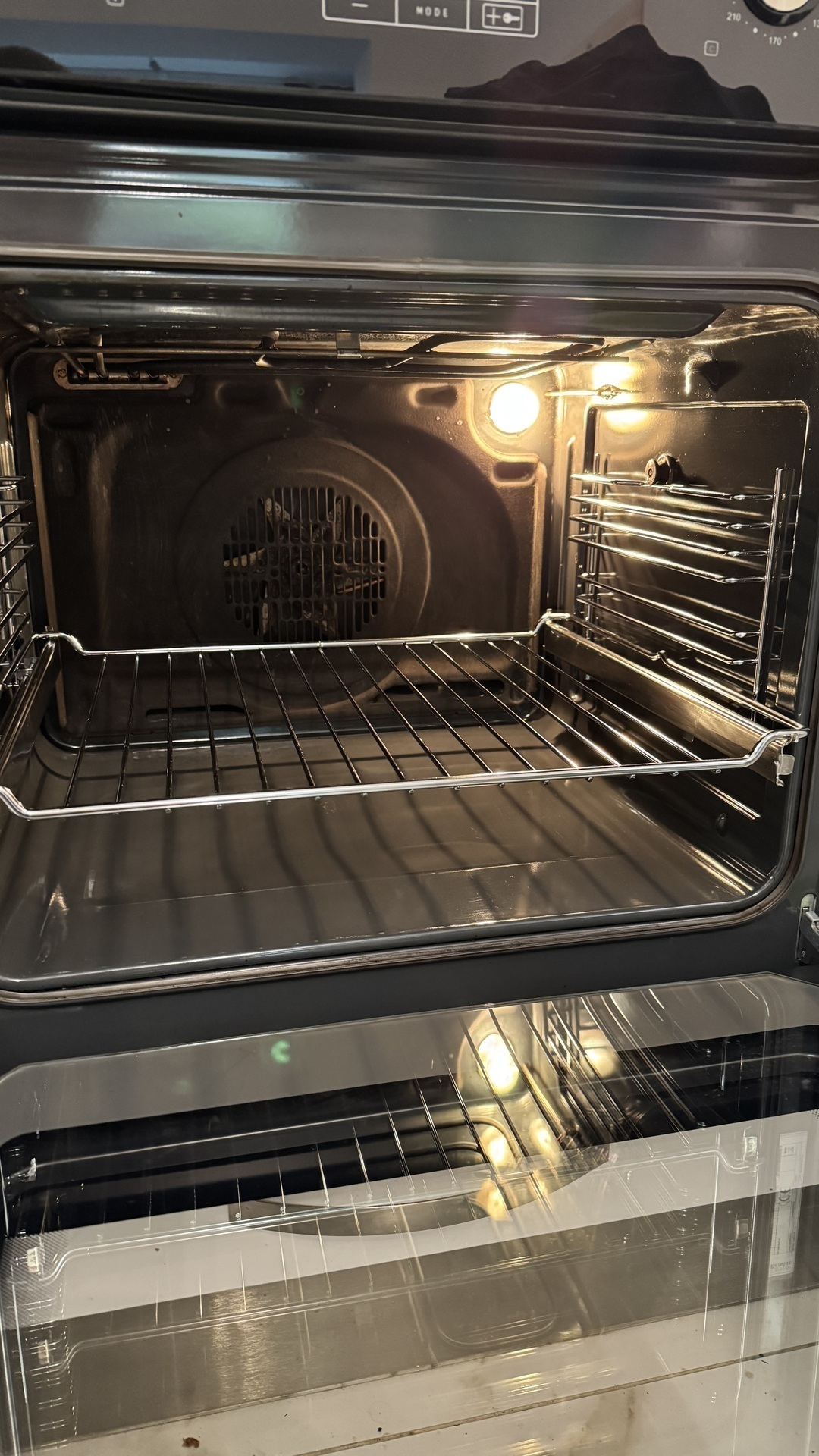
- Ovens and hobs: Thorough cleaning of the oven interior and exterior, including the removal of baked-on grease, burnt food residues, and grime from the oven racks, doors, and hobs.
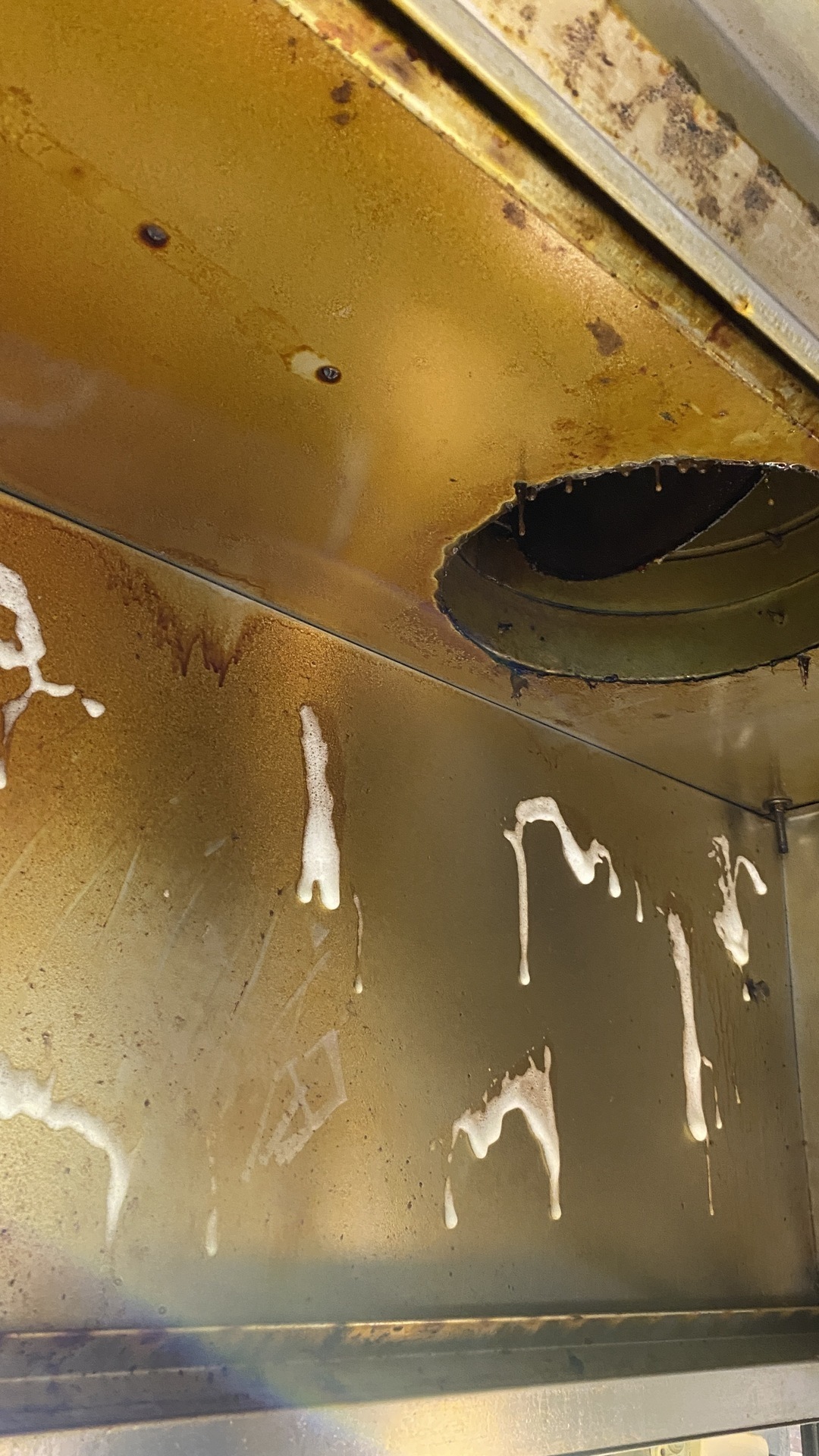
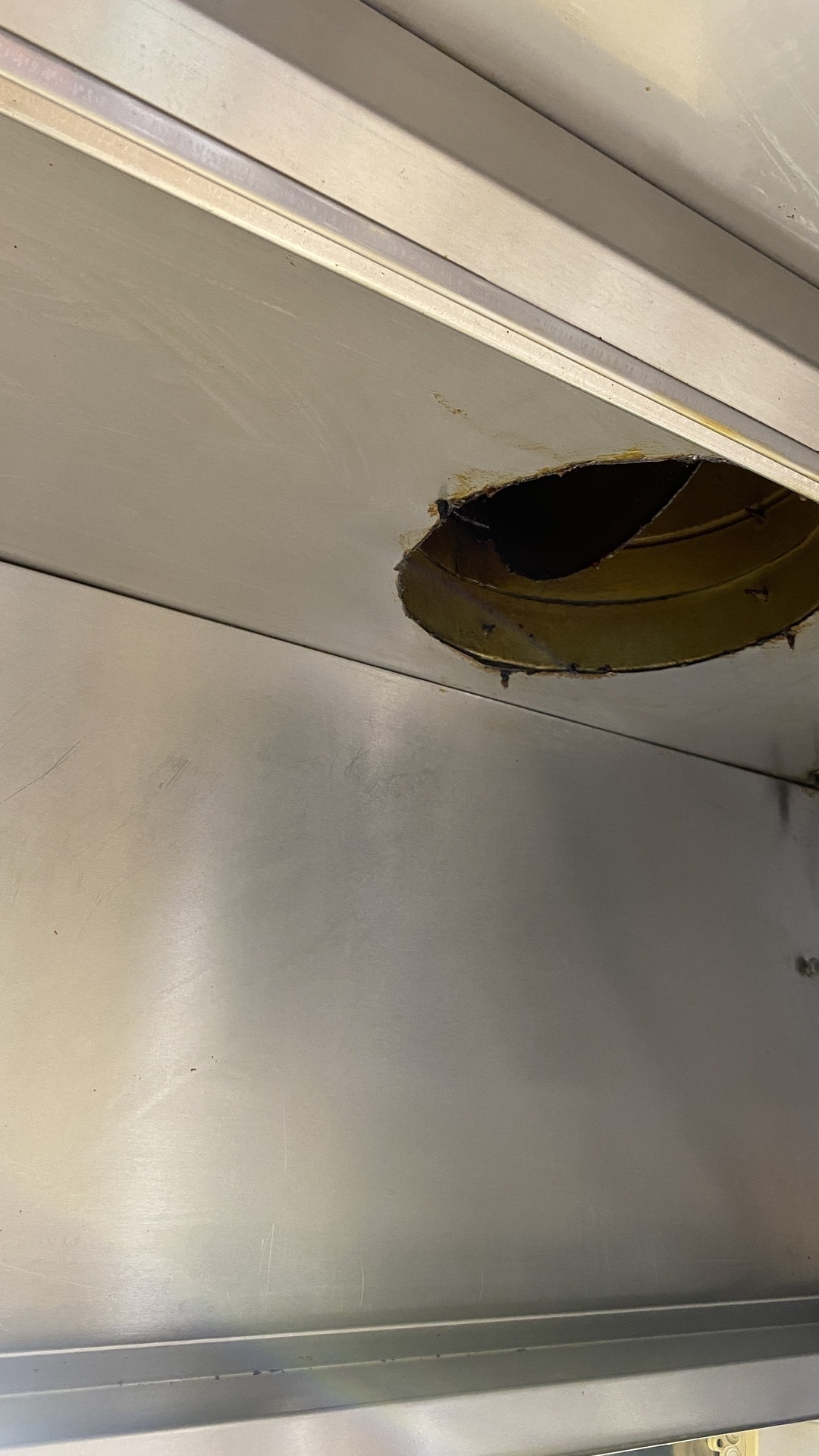
- Kitchen Hoods: Complete degreasing and cleaning of kitchen hoods and their filters to ensure they work efficiently and remain free from sticky buildup.
- Microwave Ovens: Detailed cleaning of both the inside and outside of microwave ovens, removing food splatters, grease, and odors.
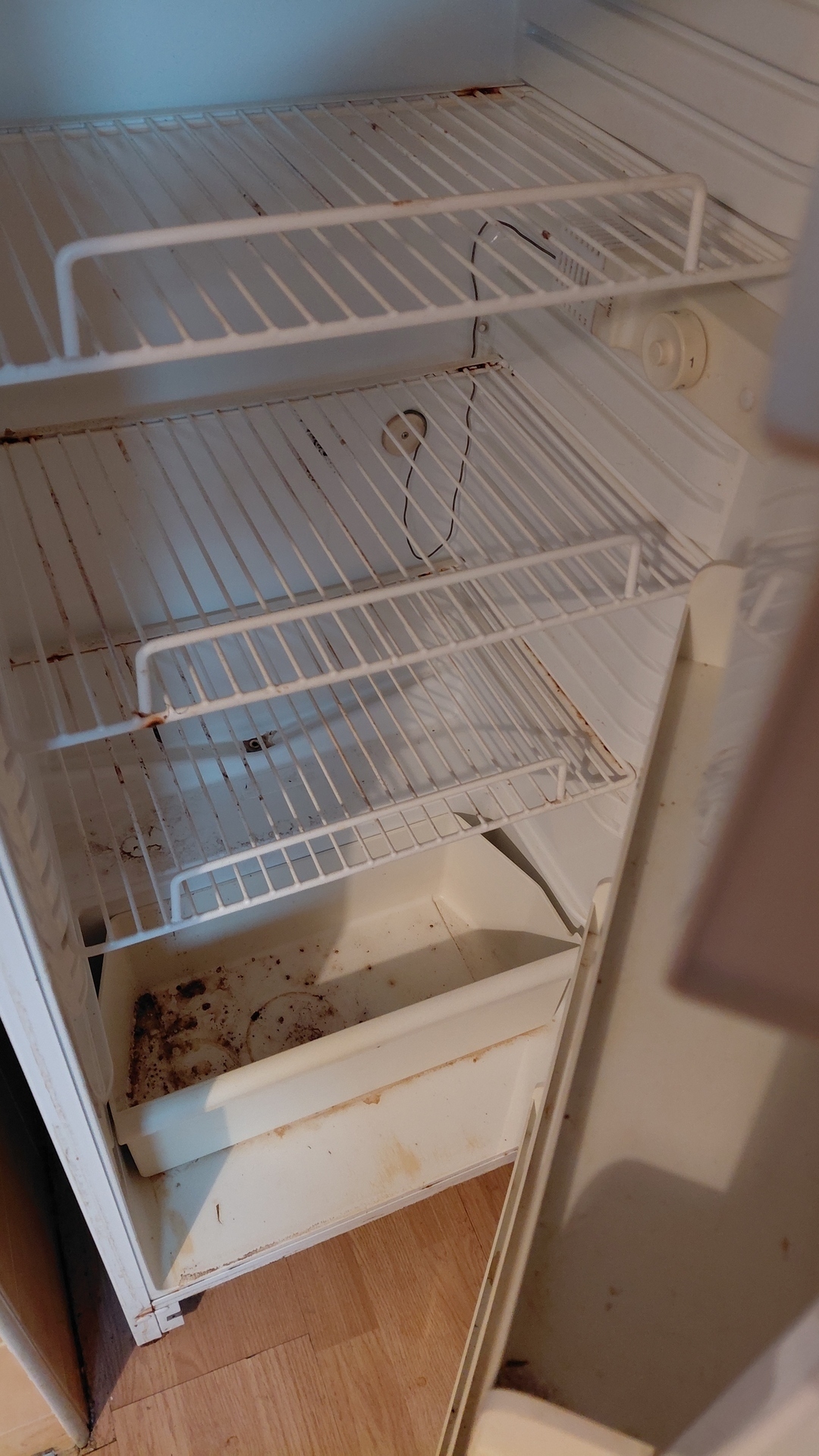
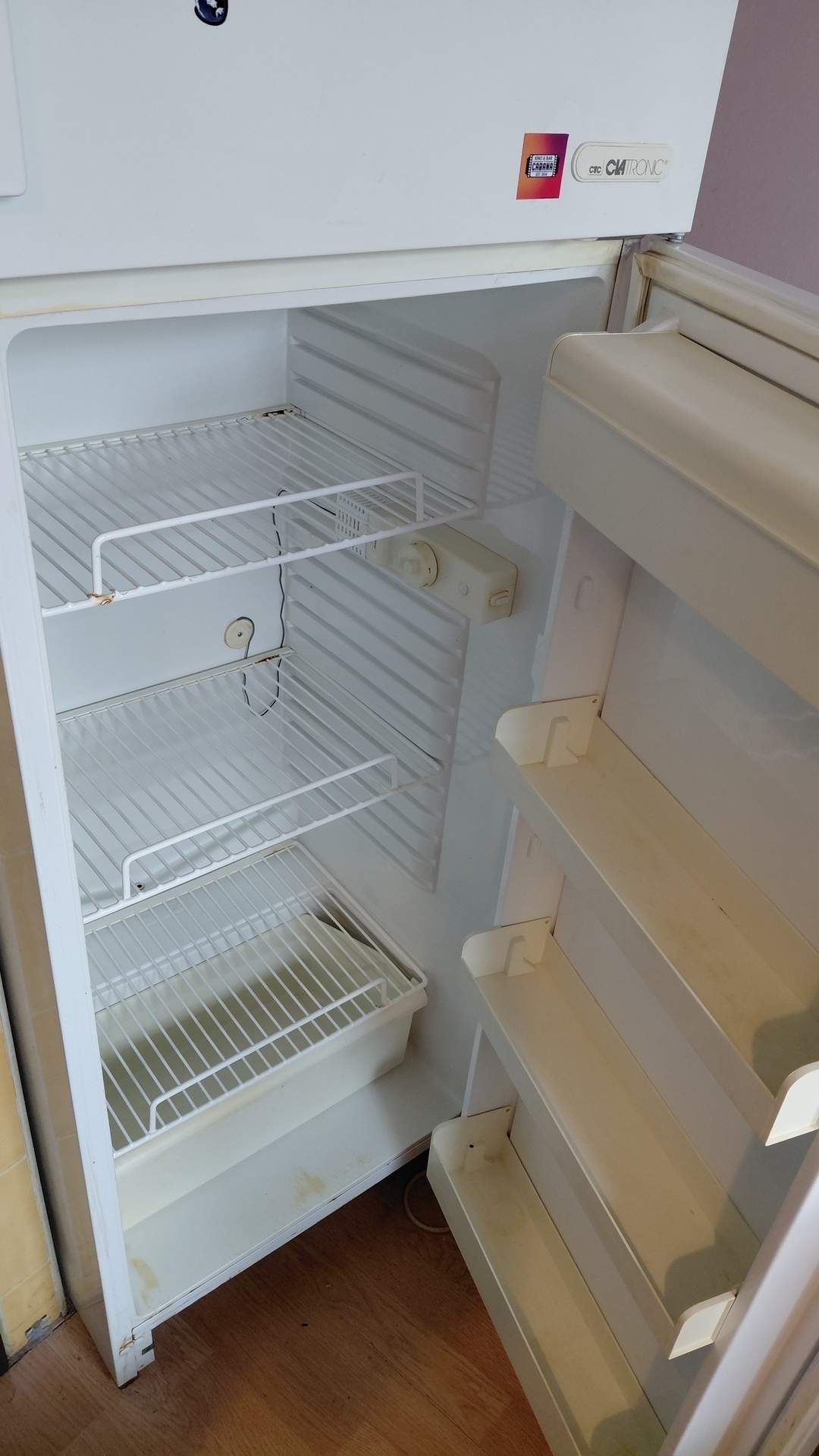
- Fridges: Full interior and exterior cleaning of fridges, including shelves, drawers, and door seals. The service eliminates food residues, stains, and any unpleasant odors.
How to prepare your home?
- Provide access to electricity and water.
- Empty the oven and remove all unnecessary items from the hobs to make cleaning easier.
- Before cleaning, all food products should be removed from the refrigerator and the freezer, and magnets and personal belongings should be removed.
How long does the service take?
Why use professional cleaning?
What's the expected end result?

Oven cleaning prices in Dortmund
Transparent prices from cleaning companies serving Dortmund, fixed at the time of booking. The service is performed at the customer's home — ovens, hobs, hoods and microwaves are degreased and disinfected inside and out.
- 1 oven and 4 hobs from 52 €
- 1 kitchen hood from 29 €
- 1 fridge from 34.6 €
- 1 microwave oven from 20 €
Prices are indicative, based on the lowest available offer from companies serving Dortmund. The exact price for your home is confirmed at the time of booking.


Why Is Professional Oven Cleaning Important?
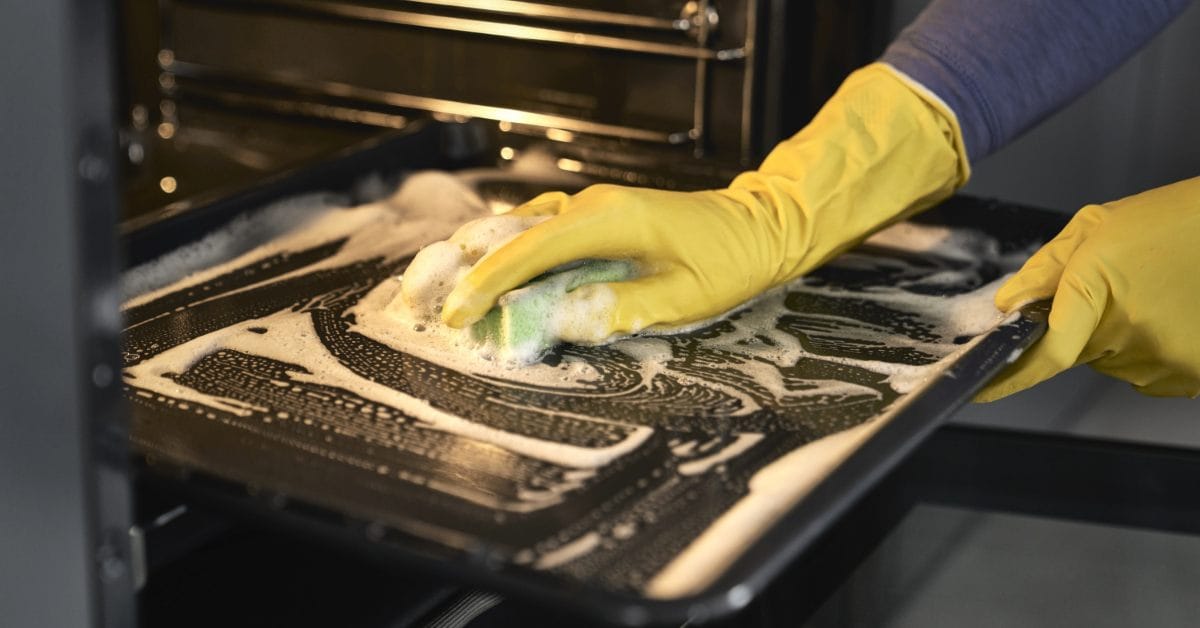
Many homeowners underestimate how quickly ovens accumulate grease, carbon deposits, and food residues. Even with careful cooking habits, microscopic fat particles are released into the air every time you roast, bake, or grill. These particles settle on interior walls, heating elements, racks, fans, and glass door panels. Over time, they harden under repeated high temperatures and turn into stubborn carbon buildup that is extremely difficult to remove with regular household cleaners.
Unlike visible spills, these layers often accumulate gradually and go unnoticed until they begin affecting performance. A dirty oven is not just an aesthetic issue – it directly impacts safety, efficiency, hygiene, and food quality.
Over time, these residues can:
- Affect cooking performance Thick layers of grease and carbon interfere with heat circulation. When airflow inside the oven is restricted, food may cook unevenly. You might notice longer cooking times, undercooked centres, or over-browned edges. Even modern convection ovens lose efficiency when fans and vents are coated with residue.
- Produce unpleasant odours and smoke When accumulated grease heats up, it burns repeatedly, producing strong, unpleasant smells. In some cases, this leads to visible smoke during preheating. These odours can transfer to freshly prepared food, negatively affecting taste and overall cooking experience.
- Increase energy consumption A dirty oven must work harder to reach and maintain the desired temperature. Heat transfer becomes less efficient, and cooking cycles may take longer. This results in higher electricity consumption and unnecessary energy waste over time.
- Create potential fire hazards Built-up grease is highly flammable. During high-temperature cooking or when using grill functions, accumulated fat can ignite and cause dangerous flare-ups. Regular professional oven cleaning significantly reduces this risk and contributes to overall household safety.
- Contaminate food with burnt particles As carbon deposits continue to break down under heat, small burnt particles may detach and fall onto food. This not only affects flavour but also compromises hygiene standards in your kitchen.
Professional oven cleaning removes deeply embedded grime that typical supermarket products often fail to dissolve completely. DIY methods usually address surface dirt, but hardened carbon layers inside corners, around heating elements, and between glass panels require specialized techniques and professional-grade degreasers.
Beyond improving appearance, professional oven cleaning plays a crucial role in maintaining the long-term health of your appliance. When grease buildup is removed regularly, components such as seals, fans, heating elements, and interior coatings are preserved. This reduces mechanical strain and helps prevent premature wear.
A professionally cleaned oven distributes heat more evenly, allowing food to cook faster and more consistently. As a result, cooking times may decrease, and energy consumption becomes more efficient. Additionally, removing accumulated grease significantly lowers the risk of smoke production and flare-ups during high-temperature cooking sessions.
Ultimately, professional oven cleaning is not just about restoring shine. It is about improving performance, enhancing safety, protecting your appliance investment, and ensuring a cleaner, healthier cooking environment for your home.
Why Choose Domestina for Oven Cleaning?
When selecting a professional oven cleaning service, reliability and expertise matter. Domestina offers:
- trained and vetted cleaning professionals;
- flexible scheduling options;
- transparent pricing;
- convenient online booking;
- consistent service quality;
- attention to detail;
- customer-oriented approach.
Our goal is to deliver not only a clean oven but also a stress-free experience.
Frequently Asked Questions
What is the price?
Companies set their own prices on the Domestic platform. The price may depend on the quality of the detergents they use, as well as the company's history and the skills of the employees. Compare the offers of all companies by clicking the "See Prices" button.
What is included in the oven and hobs cleaning?
The deposits on the hob are cleaned using professional anti-grease detergents (most of them leave an odor of a professional cleaning product for several hours). The oven is cleaned from outside and inside. For a deep clean, the oven racks, grills, and tray are removed and soaked in a container of hot water and detergent, which facilitates the removal of grease and residue. For more stubborn surfaces, a scouring pad and a stainless steel brush are used to ensure effective cleaning of the walls, trays, and racks. A mixture or paste of baking soda, vinegar, and lemon or limes is also prepared and applied to stubborn stains to loosen the dirt. A sponge, cloth, and paper towel are then used to remove residue and dry all surfaces, leaving the oven clean and residue-free.
What is included in the kitchen hood cleaning?
Kitchen hoods are cleaned thoroughly on the exterior to remove sticky grease deposits. Filters are taken out, degreased, and cleaned before being reassembled. The interior parts of the hood, including the filter box, are also wiped down to ensure smooth operation and reduce fire hazards from grease buildup.
What is included in the microwave cleaning?
Food splatters and stains inside the microwave are removed using specialized cleaning agents. The rotating plate is taken out, cleaned separately, and then put back in. The exterior is cleaned to remove fingerprints, stains, and any traces of food, leaving the microwave looking and smelling fresh.
What is included in fridge cleaning?
Before cleaning, all food items must be removed from the refrigerator, and magnets or personal items taken off. The fridge is then cleaned thoroughly inside and out, including shelves, drawers, and door seals. The freezer is also cleaned, though it is recommended that it be defrosted beforehand for the best results. Note that ice buildup is not removed during the cleaning process.
How long does it take to clean the oven and fridge?
The time required for cleaning depends on the level of dirt and buildup in the appliances, but on average, it takes between 2 and 4 hours to clean both the oven and fridge.
Does cleaning your oven help if the unpleasant smell only occurs occasionally?
Yes. Even occasional smells can be a sign that there are burnt deposits that are reactivated at higher temperatures. A thorough cleaning can significantly reduce this discomfort and make using your oven more enjoyable, especially if you are cooking for family or guests.
Why does your oven sometimes smoke, even if you haven't spilled anything recently?
Smoke is often caused by old dirt that burns off every time you use your oven. Even if nothing has been spilled that day, existing deposits can heat up and produce smoke. A thorough cleaning will greatly reduce this problem.
How can I keep my oven clean more easily after a professional cleaning?
The easiest way is to wipe up spills immediately after the oven has cooled down and to prevent spills by using suitable trays or additional protection when cooking dishes that leave a lot of sauce or fat. Simple, constant maintenance will save you from heavy deposits.
Is it worth scheduling an oven cleaning if I don't use it very often?
Yes, especially if there is old deposits left or if the oven has been used intensively over a certain period. Even rare use can "reactivate" unpleasant odors if deposits are there. A cleaning helps you keep the appliance in optimal condition and use it without any discomfort.
What should I avoid before scheduling, so as not to make cleaning more difficult?
Avoid turning on the oven just before cleaning, because the appliance must be completely cold. It is also not recommended to apply multiple different solutions on the same day – sometimes improvised combinations can create strong odors or make dirt harder to remove.
Is oven cleaning also suitable for a rented apartment before handover?
Yes, and it is one of the most appreciated interventions when handing over a home. A clean oven immediately changes the impression of hygiene of the kitchen and can eliminate odors left over from previous uses.
Does the oven need to be completely cooled down before the appointment?
Yes, ideally, the oven should be cooled down. This ensures safe and efficient cleaning. If you've been cooking or baking shortly before the appointment, simply turning off the oven and opening the door is often sufficient to allow it to cool down more quickly.
Can you also clean the oven rack and baking tray?
Yes. Accessories like racks are included in the cleaning, provided they belong to the oven and are accessible. This is especially helpful because burnt-on residue often accumulates here, which is difficult to remove in everyday use.
Is the refrigerator unplugged during cleaning?
Generally, it is not necessary to unplug the refrigerator as long as the cleaning focuses on accessible interior and exterior surfaces. It is especially important that the refrigerator is empty so that shelves, seals, and surfaces can be thoroughly cleaned.
What should I do after cleaning before using the oven again?
After cleaning, it's advisable to ventilate briefly and, if necessary, heat the oven empty once to prevent residual moisture from lingering on the interior. After that, you can use the appliance as usual. In everyday use, it helps to remove fresh splashes as soon as possible to maintain the cleanliness for longer.
Feedback
After the job is done, you will be able to comment and evaluate the provider's professionalism. Your rating will affect the overall rating of your company, and your comment will be visible to all future users.
How to select a cleaning company?
Based on multiple criteria, representing professionalism, persistency, expertise and efficiency, Domestina provides Recommended Choice. When you start your order, you'll see the recommended company on the first place of the company list.
Self-cleaning vs. professional cleaning: Which option guarantees better results?
Many modern ovens include a pyrolytic or steam self-cleaning function. Pyrolysis is an advanced method that uses high temperatures to break down dirt and grease, facilitating automatic oven cleaning. Although useful, these options are not a complete solution. Pyrolysis does not remove the toughest grease unless it is removed first. Furthermore, it generates temperatures of up to 500°C, which can affect gaskets, handles, or interior enamel if not properly maintained. To remove stubborn residue from the glass or oven walls, we recommend using a scraper, a professional accessory that helps effectively remove stubborn residue.
On the other hand, oven cleaning performed by specialists ensures the manual removal of stubborn residue without damaging the surfaces. Specific products are used that dissolve grease without abrasion and techniques that allow access to areas that automatic systems cannot reach. The result is a cleaner, safer, and longer-lasting oven.
For example, in ovens with a top grill, grease residues char in elevated areas where the heat doesn't reach them directly. Only meticulous manual work can ensure that this area is free of residue. Furthermore, in older ovens or those without a self-cleaning function, this service is the only possible way to achieve a complete restoration.
Why ovens in Dortmund get dirty in a different way
Dortmund sits between the Westphalian Bay and the first uplands of the Sauerland; the city climate analysis gives a 1981–2010 annual mean of 10 to 11 °C and 790 to 1,050 mm of precipitation. This mild, damp Dortmund climate means kitchens are often ventilated with a tilted window rather than a strong cross-breeze. When residents roast, bake or grill, grease vapour and steam stay in the room for longer and settle on the oven door, seals, handle recesses and upper heating areas.
In dense neighbourhoods such as Innenstadt-West, Unionviertel, Kreuzviertel, Klinikviertel and Körne, cooking often happens in compact fitted kitchens. The oven may sit right next to a fridge, tall cabinet or worktop, leaving little space for warm air to disperse; grease film spreads faster across fronts and control knobs. In looser residential areas such as Aplerbeck, Hombruch, Scharnhorst, Mengede and parts of Brackel, larger kitchens and family use are more common: casseroles, baking trays, Sunday roasts and batch baking leave heavier deposits on the oven floor and side racks.
- Damp monthsGrease and food residue become stickier when steam stays in the kitchen; cleaning then needs stronger degreasing and longer dwell time.
- Compact city flatsIn narrow kitchen runs, careful work around edges, plinths and nearby fronts matters because loosened grime and spray must not spread.
- Family kitchens outside the coreLarger ovens, telescopic rails and several trays extend the job, especially after frequent grill and baking programmes.
Housing stock: from older flats to new fitted kitchens
Dortmund statistics report 98,918 buildings with living space and 338,114 dwellings in 2024; this large number of dwellings explains why oven cleaning in Dortmund is mainly a residential service for private households in apartment buildings. In rental flats, the oven is often used by several waves of occupants, and residue builds up in places that are barely visible day to day: between door panes, behind side racks, around ventilation slots and along the seal.
In older flats around Kaiserstraßenviertel, Kreuzviertel and Saarlandstraßenviertel, ovens are often installed in retrofitted kitchens, sometimes with limited side access. In post-war and 1970s housing in Eving, Huckarde, Dorstfeld and Scharnhorst, sturdy built-in appliances are common, and burnt sugar or fat can sit harder on the enamel. Newer flats around Phoenix-See, in Hörde and in recently developed quarters are more likely to have modern surfaces, display panels and self-cleaning programmes; there, deep cleaning is more about careful detailing than brute force.
Seasons in Dortmund when the oven works hardest
Demand does not rise at random. In Dortmund, cooking habits move with the weather: damp autumn brings more oven dishes, December adds biscuits, roasts and casseroles, and after holidays, grease mist, sugar crusts and odours are especially persistent. In spring, many households air rooms, sort cupboards and clean more thoroughly; oven cleaning then often fits naturally into spring cleaning.
- After the Christmas period Door glass, rack supports and the oven floor are often marked by roasting fat, cheese residue and caramelised sugar.
- Before moving out In Dortmund rental flats, a visibly clean oven matters because it is quickly checked during handover; it is often booked together with move out cleaning.
- After grill and football evenings Baked snacks, pizza and marinades leave splashes on the top heat area, side walls and seal.
- During the spring clean Pollen dust and kitchen grease form a thin, dull layer on handles and ventilation slots, and dry wiping mostly spreads it around.
Dust, pollen and air quality around the kitchen
Dortmund is not a purely residential city: main roads, the B1, harbour areas, commercial zones and Ruhr traffic all shape the air in many districts. The city states that PM10 and PM2.5 are measured continuously, with PM10 recorded at stations including Eving and Brackeler Straße; these Dortmund air quality measurements matter for kitchens because fine dust clings particularly well to slightly greasy surfaces.
The pollen season can start as early as January or February; the German Weather Service lists hazel, alder, ash, birch, grasses, rye, mugwort and ambrosia for its pollen risk index. In homes near parks, allotments and open land in Hombruch, Mengede, Aplerbeck or on the edge of Scharnhorst, this dust also lands on kitchen surfaces. On the oven, it binds with grease film around the handle, control panel and vent strip, so these zones are treated as part of a thorough oven clean, not as an afterthought.
Differences between the city centre, outer districts and hillside homes
The City of Dortmund is divided into twelve districts, three inner-city districts and nine outer districts; this Dortmund district structure is reflected in private kitchens too. In Innenstadt-Nord and Innenstadt-West, appointments often have to fit apartment floors, lifts, narrow corridors and short parking windows. The oven is cleaned directly inside the fitted kitchen, with protection for floors, fronts and worktops.
In southern and south-eastern areas such as Syburg, Kirchhörde, Berghofen and Aplerbeck, hillside locations, larger houses and better ventilation change the job. Ovens are often part of bigger eat-in kitchens; grease spreads less in tight niches, but there may be larger appliances, extra trays or steam functions. When oven cleaning is planned as part of wider professional cleaning for homes, it can be combined with nearby kitchen tasks such as the extractor, worktops and fridge area, while staying strictly within private residential space.


 WORK
WORK